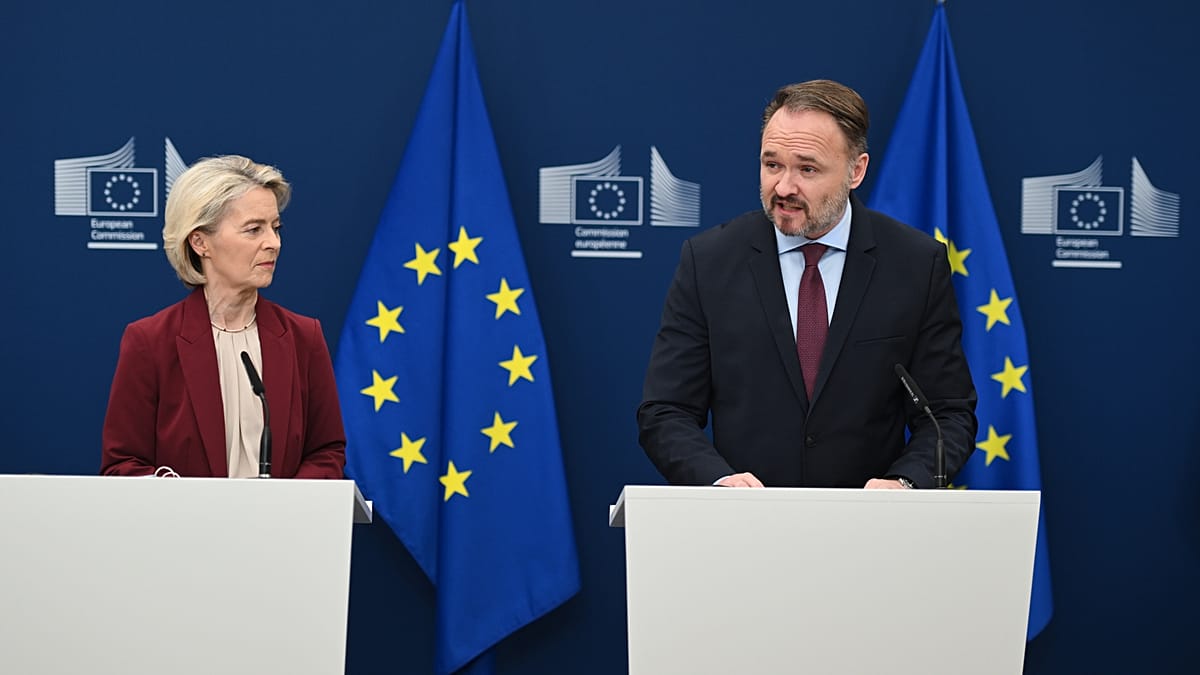
Brussels is pressing European capitals to keep a lid on energy consumption as the continent heads into winter with gas storage levels well below last year's mark. In a letter to EU energy ministers, Energy Commissioner Dan Jørgensen warned that while there is no immediate threat to supply security, the combination of high prices and tight global markets could become more painful as temperatures drop.
"I invite you to consider taking or continuing to take measures that can sustain injections or reduce gas and electricity demand for as long as necessary," the letter reads, noting that the situation "has not improved" since his first warning in March. The appeal, seen by Euronews, comes as EU gas storage sits at roughly 70% capacity—about 12 percentage points lower than at the same point last year, according to Gas Infrastructure Europe.
A price crisis with supply implications
The Dutch TTF benchmark, Europe's reference for natural gas, is trading near €72 per megawatt-hour, a jump of about €40 since the US and Israel bombed Iran on 28 February. Analysts warn that prices could spike above €100/MWh during peak winter if liquefied natural gas (LNG) exports from the Gulf fail to grow or if maintenance in Norway prolongs export constraints.
Jørgensen, a former Danish climate minister, stressed that reducing electricity use during peak hours can directly lower the amount of gas burned in power plants, easing pressure on both gas supplies and electricity bills. "Voluntary and well-planned demand reduction measures proved useful during the 2022 energy crisis, and we can draw on the lessons from that experience in the current situation," he wrote.
The Commission points to a toolkit already tested during the 2022 crisis: encouraging consumers to shift demand through smart meters and retail tariffs, limiting temperatures in public buildings, restricting outdoor heating, and switching off unnecessary public lighting at night. These measures remain voluntary—Jørgensen stops short of imposing mandatory cuts.
But the letter also reminds ministers that national emergency plans contain more serious tools that could be activated if conditions deteriorate, including interruptible gas contracts and switching power plants from gas to alternative fuels.
No rush to fill storage
Perhaps more striking is Jørgensen's advice on storage targets. He encouraged capitals to use the flexibility in EU gas-storage rules to avoid panic buying and consider an 80% filling target rather than aggressively pushing toward the 90% goal. The logic: buying large volumes of gas when global markets are already tight can itself push prices higher.
The Commission argues that reaching 80% can be sufficient for winter security under current conditions, allowing countries to spread purchases over a longer period and avoid a late-season scramble. The Danish commissioner suggested the EU is entering winter with a more resilient energy system than before Russia's invasion of Ukraine, but not a comfortable one.
"Although EU gas storage is exceptionally low and the situation remains challenging, there are currently no immediate risks to security of supply," the letter reads.
Still, Brussels is no longer talking only about protecting consumers from high prices. It is asking governments to manage demand because consumption itself is becoming part of the supply problem. "As we discussed in the Energy Union Task Force, we are facing a price crisis linking to a supply crisis," the letter states.
The warning lands as rural French businesses struggle with rising energy costs linked to the Iran conflict, and as Europe's patchwork response to record fuel prices comes under renewed scrutiny. With households and businesses already sensitive to energy bills, governments face pressure to cushion consumers from another price shock.
For now, Brussels remains careful to distinguish between a deteriorating price situation and an immediate physical shortage. But the message is clear: the era of cheap, abundant gas is over, and Europe must adapt its consumption habits to a more volatile global market.