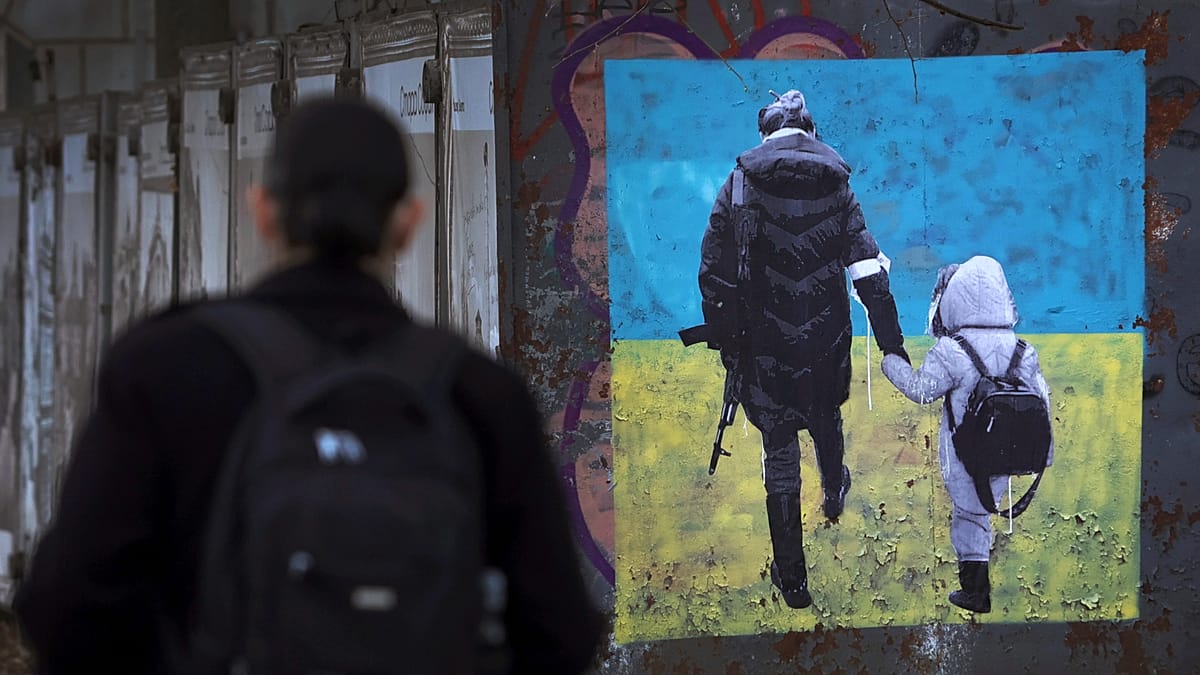
European Union interior ministers met in Luxembourg on Thursday to debate potential restrictions on the bloc's Temporary Protection Directive, the scheme that has granted residency and work rights to over four million Ukrainians since Russia's full-scale invasion in 2022. The central proposal gaining traction would exclude Ukrainian men aged 23 to 60 who are eligible for military service, aligning with Ukraine's own calls for manpower reinforcement.
Diverging National Approaches
Germany and Poland, which host the largest numbers of beneficiaries—1,274,955 and 961,405 respectively—are pushing for tighter eligibility. German Interior Minister Alexander Dobrindt noted that "the influx of [Ukrainian] people of compulsory military age has increased in the last few months." Poland's Undersecretary of State Maciej Duszczyk argued that no part of Ukraine can be considered safe, opposing an alternative proposal to deny protection to those from "safe" areas. "We know exactly what is happening in Ukraine. Sometimes Polish citizens who live near the border also hear the explosions of Russian missiles," Duszczyk said.
Under current rules, most men aged 23 to 60 are barred from leaving Ukraine under martial law, though exemptions exist for people with disabilities, those unfit for service, fathers of three or more children under 18, and full-time caregivers. Despite these restrictions, some draft-age men have crossed borders illegally and obtained protection in EU states. Adult men account for 26.6% of Ukrainian refugees in Europe, though precise figures on irregular arrivals remain unclear.
Belgium already requires applicants to prove legal exit from Ukraine, making it harder for those who left irregularly. Poland, by contrast, grants protection upon arrival. The European Commission has indicated that any revised approach should consider whether applicants were legally authorised to leave Ukraine.
Ukraine's Position and Internal Divisions
The tighter regime would align with Kyiv's stance. President Volodymyr Zelenskyy last year urged military-age men abroad to return and called on partner countries to "address the issue." However, not all member states agree. Spain and Italy back extending the current framework unchanged. Spanish Interior Minister Fernando Grande-Marlaska stated: "All Ukrainian citizens should remain [...] protected in all EU countries. Of course, we also need to move towards effective integration and voluntary returns, according to the circumstances."
The debate reflects broader tensions between humanitarian obligations, integration pressures, and Ukraine's need to replenish its armed forces. The Temporary Protection Directive, activated days after the invasion and renewed annually, is currently set to expire in March 2027. Any changes would require a qualified majority vote among member states.
Meanwhile, the EU is also exploring other policy shifts, such as capping Chinese parts in manufacturing supply chains and new taxes on digital services, gambling, and crypto to fund its budget. These moves signal a broader recalibration of EU policies amid geopolitical and economic pressures.
As the war in Ukraine continues, the bloc faces the challenge of balancing solidarity with practical constraints. The outcome of Thursday's discussions will shape the future of millions of displaced Ukrainians and the EU's own migration framework.



