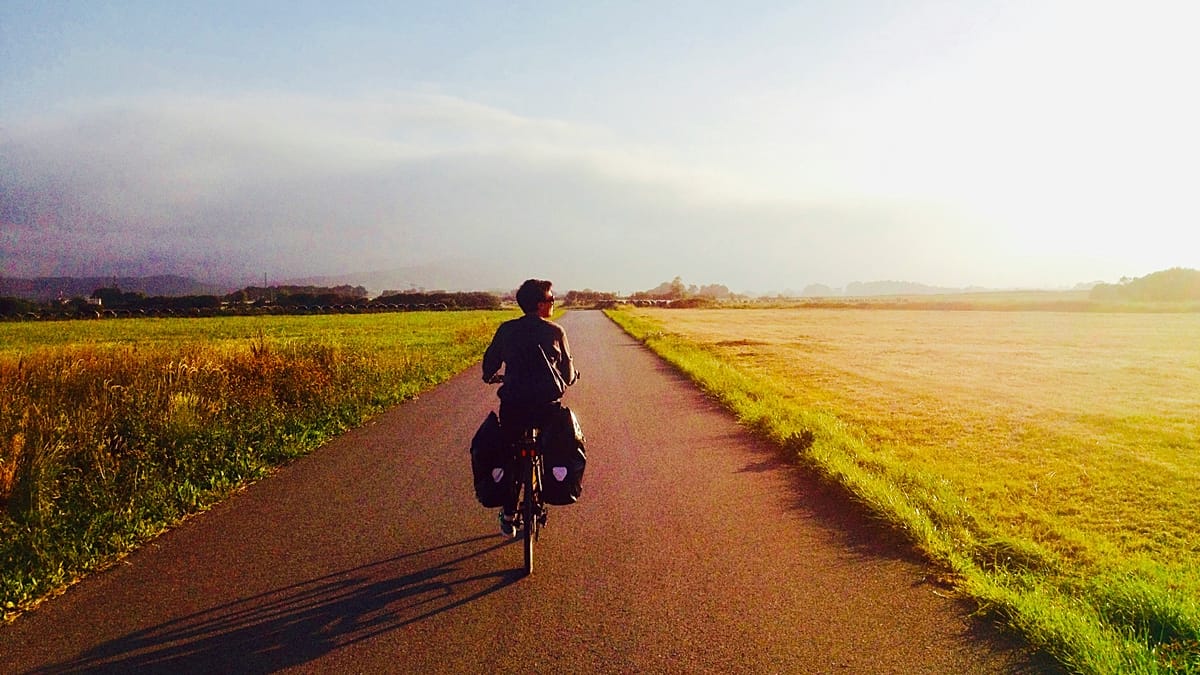
For everyday riders seeking manageable distances, good infrastructure, and time to savor the journey, 2026 promises a wealth of cycling holidays across Europe. Tourism boards, particularly in France, are investing in safer bike paths, clearer signage, and flexible itineraries, making the continent more accessible than ever.
From coastal rides to river trails and vineyard routes, the focus is on slow, experience-led travel where the journey matters as much as the destination. Here are some of the best cycling routes you can ride in Europe next year.
Coastal and Cultural Rides
Porto to Lisbon, Portugal — This coastal route blends moderate daily stages of 50 to 90 kilometers with varied terrain that eases as you head south. It links two of Portugal’s most vibrant cities while passing beaches, small towns, and Atlantic viewpoints. Riders can stop frequently, making it more about pacing than performance. Local cycling groups and events continue to promote the route, keeping it active and accessible.
Flanders, Belgium — Flanders offers a cultural cycling experience through historic cities like Brussels, Antwerp, Ghent, and Bruges. The routes are mostly flat, following canals and green countryside between urban stops. It is well suited to relaxed, stage-by-stage riding with plenty of breaks. While known for professional races, many sections are easy enough for casual cyclists.
Utrecht to Amsterdam to The Hague, Netherlands — The Netherlands remains one of the easiest places to cycle in Europe, with more than 35,000 kilometers of bike paths. Routes between Utrecht, Amsterdam, and The Hague combine city riding with coastal stretches and countryside. The numbered “knooppunten” system makes navigation simple, allowing riders to customise distances and routes with minimal planning.
Slow Travel in Southern Europe
Tuscany, Italy — Tuscany offers rolling hills, quiet roads, and routes linking Florence, Siena, and Pisa. Daily rides can be kept between 30 and 70 kilometers, with frequent stops for food, wine, and sightseeing. The focus is on slow travel rather than distance. A strong network of bike-friendly accommodation and services makes logistics straightforward for multi-day trips.
Catalonia, Spain — New for 2026, the Grand Tour Catalunya Gravel introduces a flexible, stage-based route across varied terrain. It combines gravel tracks, back roads, and coastal sections, passing through rural areas often missed by tourists. Riders can choose shorter segments, making it accessible to non-experts. The route reflects the growing popularity of gravel cycling across Europe.
River Trails and Cross-Border Loops
Danube Cycle Path, Austria to Hungary — One of Europe’s most beginner-friendly routes, the Danube Cycle Path follows flat, well-marked trails along the river. Typical stages range from 40 to 80 kilometers, with easy access to towns and rest stops. Highlights include Vienna and Budapest, but the appeal lies in the steady pace and simple logistics.
La Voie Bleue, France — La Voie Bleue is one of Europe’s standout cycling routes for 2026, stretching around 700 kilometers from the Luxembourg border to Lyon. The route follows rivers and canals, meaning it stays mostly flat and easy to ride. Daily stages are flexible, and much of the path is traffic-free. Along the way, cyclists pass vineyards, historic towns, and cultural sites, making it ideal for a slower, experience-led journey.
Lake Constance, Germany, Austria and Switzerland — This 260-kilometer loop around Lake Constance is flat, scenic, and easy to divide into short stages. Cyclists can ride through three countries, with constant lake views and optional ferry crossings to shorten distances. It is particularly popular with beginners and families due to its simplicity and well-developed infrastructure.
Island and Forest Escapes
Mallorca, Spain — Mallorca combines year-round cycling conditions with routes that suit all levels. While known for mountain climbs, much of the island offers gentle inland roads and coastal rides. Towns like Palma and Alcúdia provide strong cycling infrastructure, including rentals and bike-friendly hotels, making it easy to plan flexible trips.
Black Forest, Germany — The Black Forest offers quieter routes through woodland and traditional villages. While some areas are hilly, valley paths and e-bike options make it accessible. Daily stages can be adjusted between 40 and 70 kilometers. The region is increasingly popular for its slower pace and less crowded cycling experience.
New for 2026: Sweden's Ljungleden
Gothenburg to Falköping (Ljungleden), Sweden — Opening in May 2026, the Ljungleden is a new 170-kilometer route connecting Gothenburg to Falköping. Designed for both casual and experienced cyclists, it follows a mix of dedicated bike paths and low-traffic roads, with some gravel sections. The route passes through towns like Alingsås, known for its café culture, and blends urban and rural landscapes. Its flexible layout allows for short day rides or multi-day trips.
For those planning a cycling holiday, these routes offer a chance to explore Europe at a human pace. Whether you prefer coastal breezes, river valleys, or forest trails, 2026 has something for every rider. For more travel inspiration, check out Europe's best flower tourism destinations for 2026 or top European last-minute destinations like Gdańsk and Bucharest.