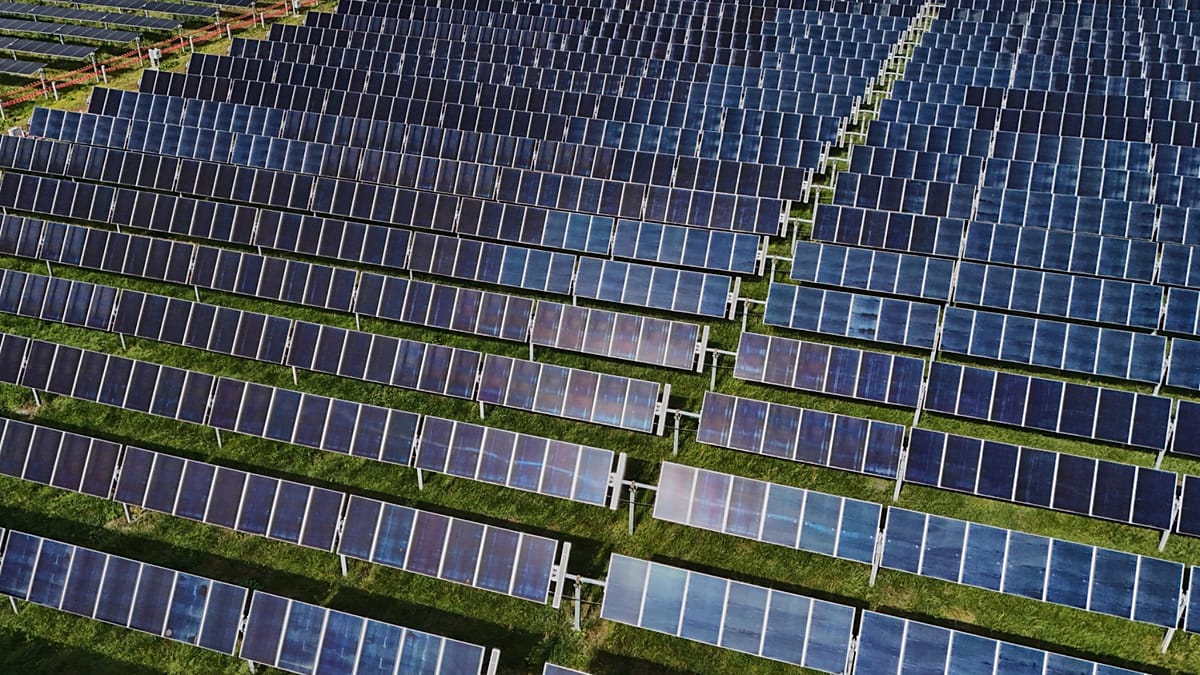
Europe is producing more renewable electricity than ever before, yet a significant portion of that clean power goes to waste. The problem is simple: when the sun shines and the wind blows, surplus energy often cannot be stored for later use. As a result, fossil-fuel power plants still have to step in during periods of low renewable generation, undermining the continent's climate goals.
Demand for electricity is rising sharply, driven by electric vehicles, heat pumps, and energy-hungry AI data centres. Without adequate storage, the grid risks becoming less reliable and more dependent on polluting backup sources. This is not just a technical challenge—it is a strategic vulnerability for the European Union's energy transition.
A Tripartite Push for Storage
On 26 June, EU energy ministers signed the bloc's first tripartite agreement on energy storage, bringing together member states, industry, and financial institutions. Twenty-two countries committed to adding 30–35 gigawatts of new storage capacity by 2028, a step toward the EU's broader target of 200 gigawatts by 2030—up from roughly 55 gigawatts today.
The agreement aims to accelerate investment in a range of technologies: batteries, pumped hydropower, thermal storage, and other systems that can capture excess renewable electricity and release it when demand spikes. Member states also pledged to remove regulatory bottlenecks, streamline planning and permitting, and mobilise both public and private financing.
While the commitments are voluntary, the initiative signals a growing consensus that storage is the missing link in Europe's clean energy puzzle. The European Commission hopes it will reduce wasted renewable energy, strengthen energy security, stabilise electricity prices, and support the continent's shift away from fossil fuels.
This effort builds on earlier moves, such as the EU's first tripartite deal to boost energy storage, which laid the groundwork for coordinated action. However, critics note that voluntary pledges may not be enough to meet the ambitious 2030 target, especially given the slow pace of permitting in many member states.
Countries like Germany, Spain, and Italy are leading the charge, but smaller nations such as Portugal face unique hurdles. Lisbon has argued that its 'energy island' status requires special compensation to integrate storage and grid connections. Meanwhile, the rollout of smart meters varies widely across the continent, affecting how effectively households and businesses can manage their energy use.
The storage push also aligns with broader calls for rapid electrification. Energy chiefs have urged rapid electrification to break Europe's dependence on imported fossil fuels, a message echoed by CEOs who argue that strategic independence hinges on energy sovereignty.
Yet the road ahead is not without obstacles. The EU's own auditors recently found that a €43 billion renovation fund lacks proof of energy savings, raising questions about whether similar oversight gaps could plague storage investments. And while the bloc's clean energy ambitions are clear, the gap between political will and practical implementation remains wide.
For now, the tripartite agreement is a step in the right direction—but it is only a start. Europe must turn voluntary pledges into concrete projects, and fast, if it wants to stop wasting the clean power it works so hard to generate.