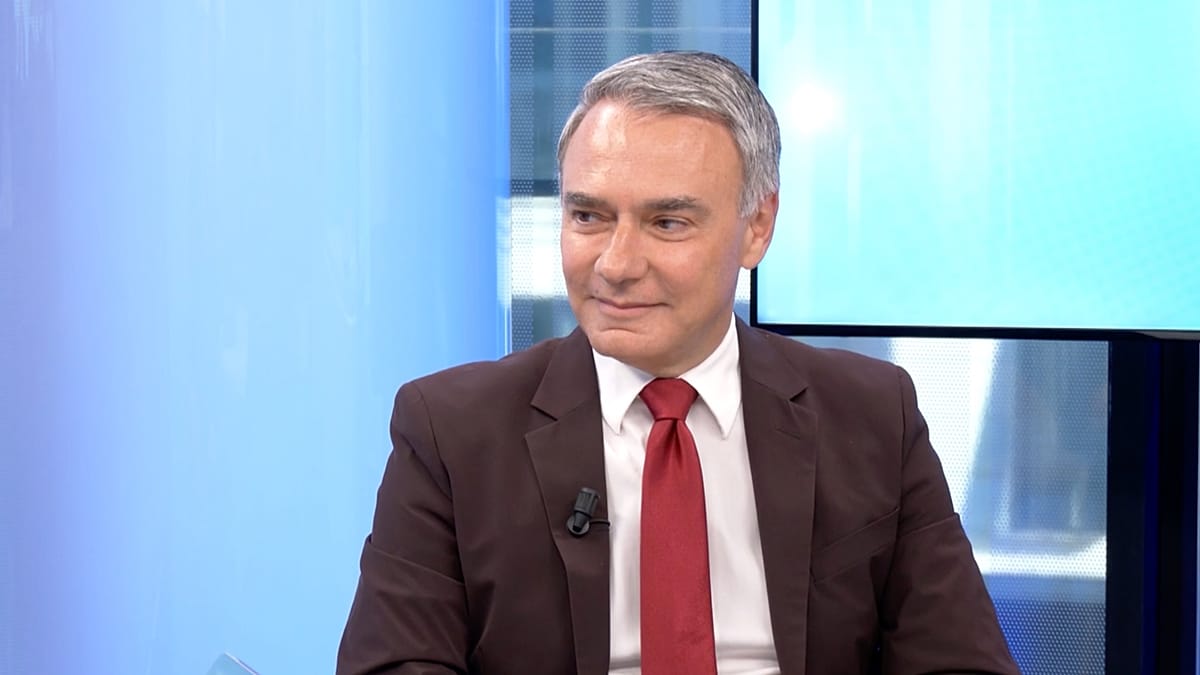
Europe stands at a pivotal moment. Rapid technological change, mounting geopolitical tensions, and shifting demographics are testing the continent's ability to adapt. For Massimo Andolina, President of Philip Morris International's Europe Region, the answer lies not just in policy tweaks but in a fundamental change of attitude. "We need to crystallize what mission success looks like," he says, urging leaders to focus on competitiveness, job creation, and tangible benefits for citizens.
Andolina's comments come as the EU grapples with sluggish growth and a complex regulatory landscape. He argues that the bloc's governance structures, designed for an earlier economic era, are no longer fit for purpose. "Old ways of thinking are too slow," he warns, pointing to the risk of Europe falling behind global rivals. The solution, he suggests, is a sharper focus on execution and a willingness to streamline rules that hinder business.
Reforming governance to unlock investment
European institutions face a delicate balancing act: maintaining oversight while enabling enterprise. Andolina believes that overly complex regulations can stifle innovation and deter investment. "It's easier to take a pause on non-essential regulation than to overhaul decades of frameworks," he says, urging policymakers to re-evaluate priorities. He points to the European Commission's omnibus legislation as a step in the right direction, but stresses that such reforms must target strategic goals rather than merely reshuffling existing rules.
The stakes are high. PMI's first EU Economic Footprint report, prepared by EY-Parthenon, illustrates the potential impact of corporate activity. Between 2019 and 2023, PMI's operations generated an estimated €290 billion for the EU economy, including tax contributions, exports, and support for thousands of suppliers. In 2023 alone, the company contributed around €65.8 billion and supported over one million jobs across the bloc. For every direct job at PMI, nearly four additional roles were created indirectly.
These figures, while specific to one company, underscore how private sector investment can drive growth when governance frameworks are supportive. Andolina argues that Europe needs a more conducive atmosphere for innovation, particularly in areas like decarbonisation, digitalisation, and artificial intelligence. PMI's own transformation journey, which included ambitious carbon neutrality goals, shows how sustainability and efficiency can go hand in hand. "We became smarter about how we do things," he notes.
AI is a prime example. PMI is tracking hundreds of internal projects and encouraging employees to explore tools that boost productivity. The company has also invested billions in research, development, and workforce training across the EU, reflecting a broader commitment to what Andolina calls "cognitive capital." He stresses that upskilling and reskilling are essential, especially as Europe's workforce ages. Larger companies, he says, have both the means and the responsibility to invest in their people, creating a ripple effect through supply chains.
PMI's training investments, which exceed tens of millions of euros annually, have contributed to productivity levels well above the EU average. Andolina sees this as proof that cultivating human capital yields tangible returns. He also highlights the need for leadership that is forward-looking and practical, capable of unlocking investment while upholding core values.
Europe's competitive trajectory depends on its ability to match policy intent with decisive action. As Andolina puts it, the region must move beyond ambition and embrace urgency. The question is whether EU leaders will heed that call. With trade negotiations and fiscal debates dominating the agenda, the window for reform is open—but it may not stay open for long.