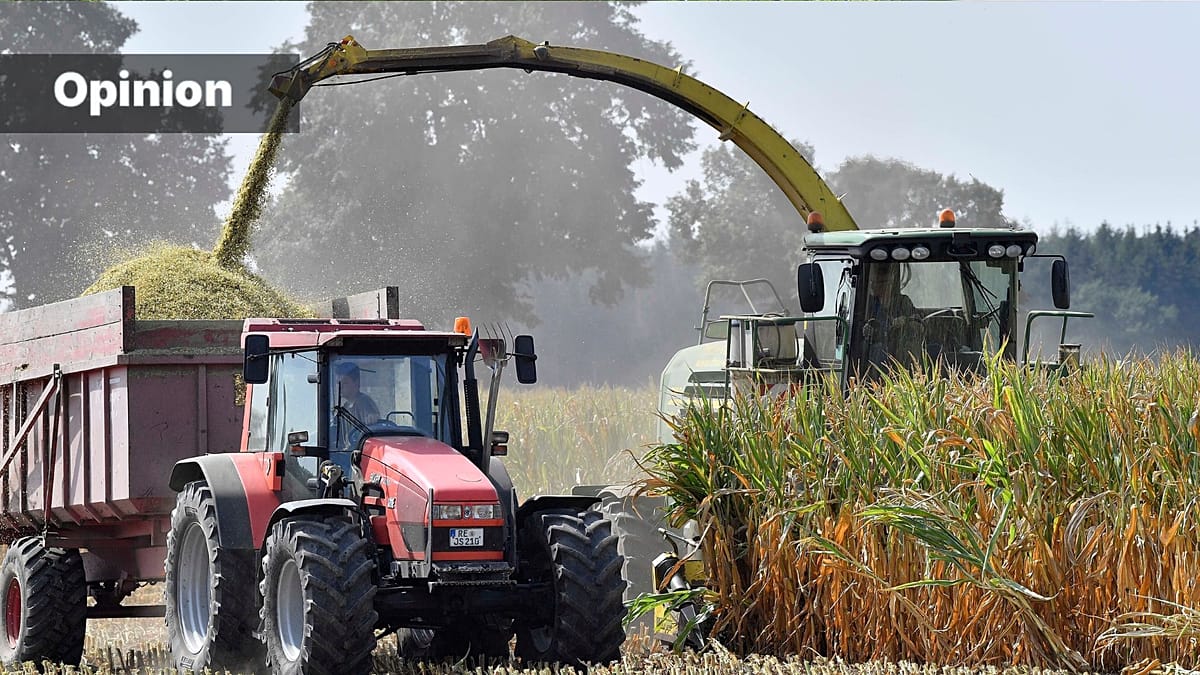
Europe's soils are in a state of quiet crisis. According to leading scientists, degraded land across the European Union is costing the continent more than €50 billion every year. Erosion, heavy metal contamination, compaction, salinisation, acidification, loss of organic matter, and declining biodiversity have left an estimated 60 to 70 percent of soils in an unhealthy state. The problem is not just environmental; it threatens food security, agricultural resilience, and the stability of local economies.
Policy ambition meets practical challenges
In 2025, the EU adopted its first-ever Soil Monitoring Law, setting the goal that all EU soils should be healthy and resilient by 2050. But turning that ambition into reality requires monitoring millions of hectares of farmland, forests, and urban land across twenty-seven member states. Traditional soil surveys are slow, expensive, and often fragmented. This is where artificial intelligence and Earth observation technologies enter the picture.
One of the most promising initiatives is the AI4SoilHealth project, which is building a machine-learning system to monitor soil health indicators across the continent. By integrating vast datasets—from satellite imagery from the Copernicus Sentinel programme to in-situ soil samples—AI can reveal patterns invisible to conventional methods. The Soil Health Data Cube, hosted at EcoDataCube.eu, already contains tens of terabytes of geospatial data spanning two decades, from 2000 to 2025, at a fine spatial resolution of 30 metres or finer. It combines soil, vegetation, land-use, climatic, and terrain data into a single, openly accessible resource.
As Europe's degraded landscapes amplify climate extremes, such tools become even more critical. The data cube allows farmers, cooperatives, and municipalities to track indicators like soil carbon, pH levels, and biological activity. They can even simulate how soils might respond to future climate or land-use changes. This is not just a technical breakthrough; it is a shift toward treating soil as living infrastructure, as vital as water and oxygen.
The scientists behind AI4SoilHealth emphasise that soil data must remain open, transparent, and collectively governed, while protecting personal and sensitive information. Their principle is “as open as possible, as closed as necessary.” True soil sovereignty, they argue, depends on democratising access to knowledge, ensuring that farmers and communities—not just institutions or corporations—can shape and benefit from the data that describes their land.
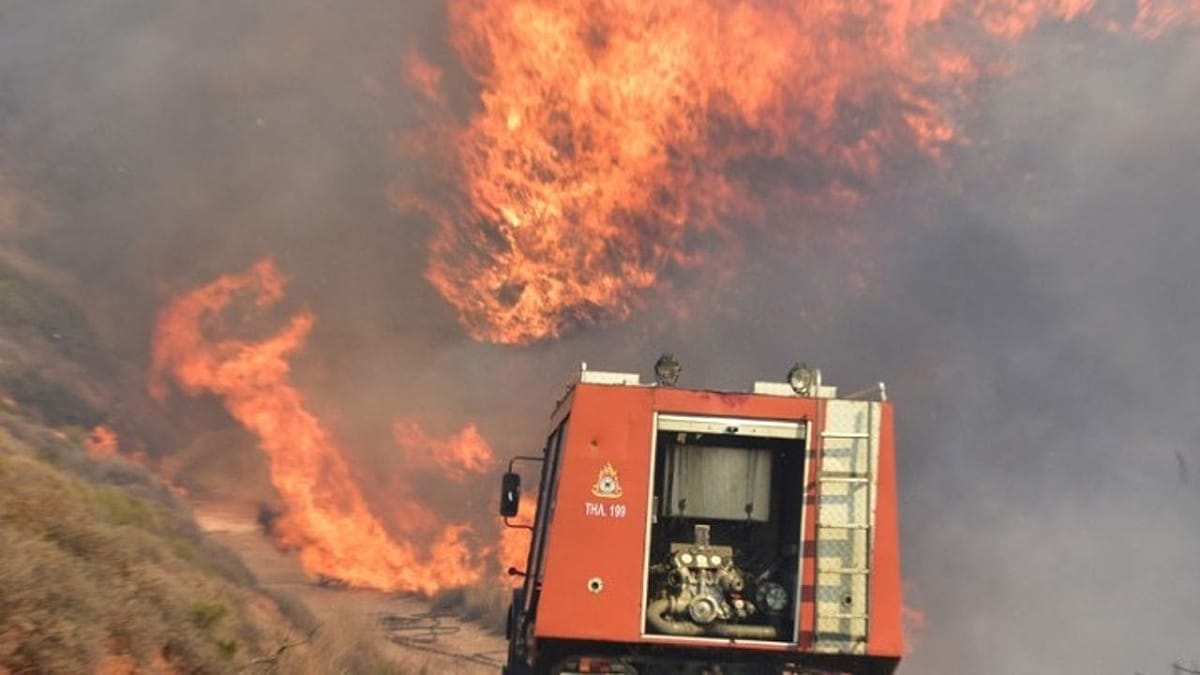
For Europe, the stakes are high. Spain's wildfire season costs up to €3.275 billion in firefighting alone, a reminder of how degraded landscapes amplify natural disasters. Healthy soils, by contrast, can reduce flood risk, store carbon, and support biodiversity. The EU's Soil Monitoring Law provides the policy framework, but AI-driven tools offer the practical means to translate that framework into action.
If implemented widely, these technologies could enable a shift from reactive policymaking to predictive stewardship. Instead of responding to degradation after it occurs, governments and communities could anticipate risks decades in advance, guiding proactive restoration and avoiding costly emergency interventions. At the same time, they can strengthen regional food systems by helping regions plan crop diversity, water use, and land restoration—reducing vulnerability to global supply shocks.
In a continent where soil types are as diverse as its politics, initiatives like AI4SoilHealth are not only welcome but necessary. By making the hidden life of soils visible, they offer Europe a chance to build a shared, living map of its ecological foundation—and to restore the ground beneath our feet.