Spanish Prime Minister Pedro Sánchez is pressing ahead with his campaign to suspend the EU-Israel Association Agreement, a cornerstone of bilateral economic and political relations since 2000. On Tuesday, he will formally propose severing the deal, despite previous attempts hitting a wall. Sánchez has accused Israeli Prime Minister Benjamin Netanyahu of setting the Middle East on fire, intensifying his criticism amid the Iran war and the Israel-Hezbollah conflict in Lebanon.
The Association Agreement Under Scrutiny
The EU-Israel Association Agreement, established in 2000, governs trade and political cooperation worth over €45 billion annually. For months, Spain, Ireland, and Slovenia have demanded an urgent review. The EU's own internal review found Israel in breach of the agreement, citing grave violations of international law in Gaza and violent settler evictions in the West Bank. Now, a European Citizens' Initiative titled Justice for Palestine, backed by over 1 million signatures, is forcing the issue onto the agenda.
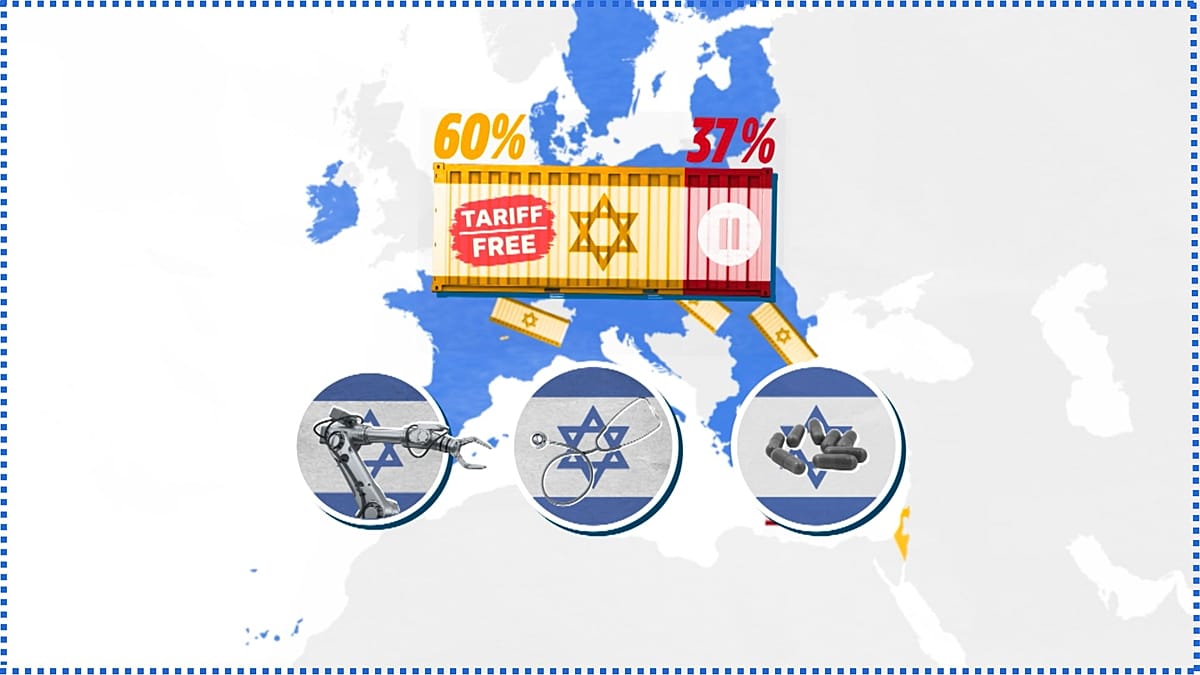
A suspension would not mean a full trade ban. About 60% of Israeli exports to the EU already enjoy zero tariffs under standard WTO rules. However, the remaining 37% rely on special, duty-free treatment granted exclusively by this agreement. Suspending it would impose sudden tariffs on Israeli machinery, medical devices, and pharmaceuticals. The European Commission estimates this would add an extra €227 million a year in duties on Israeli exports and freeze millions in bilateral EU funding for ongoing cooperation projects.
Political Dynamics and Hurdles
To fully scrap the deal, the EU needs unanimous agreement from all 27 member states. However, suspending just the trade privileges requires only a qualified majority vote, a lower threshold. Although Israel has lost one of its staunchest allies in Viktor Orbán's Hungary, and with Italy taking a harder line amid attacks on Christian places of faith, the proposal still faces an uphill battle. The EU's internal divisions remain stark, with countries like Germany and Austria traditionally more cautious about isolating Israel.
Sánchez's push is part of a broader European recalibration. As Sánchez Warns EU's Israel Inaction Undermines Ukraine Credibility, the link between consistency in foreign policy and credibility on the global stage is becoming a central argument. Meanwhile, Slovenia Joins Boycott of Eurovision Over Israel's Participation, Will Screen Palestinian Films, illustrating growing cultural and political pressure.
Economic and Strategic Implications
The EU remains Israel's largest trading partner, and any disruption would have significant economic consequences. Beyond trade, the agreement underpins cooperation in research, innovation, and security. A suspension would freeze millions in EU funding for joint projects, affecting sectors from agriculture to technology. Critics argue that such a move could undermine European influence in the region, while proponents see it as a necessary step to uphold international law.
The timing is also critical. With the Trump Announces Three-Week Extension of Israel-Hezbollah Ceasefire and ongoing tensions with Iran, the geopolitical landscape is shifting. Israel's Defence Minister has said the country awaits US approval for major Iran strikes, adding another layer of complexity to EU-Israel relations.
For now, Sánchez's proposal is a test of the EU's ability to act collectively on a deeply divisive issue. Whether it gains enough support to pass remains uncertain, but the debate itself signals a fracture in Europe's long-standing relationship with Israel that could have lasting consequences.