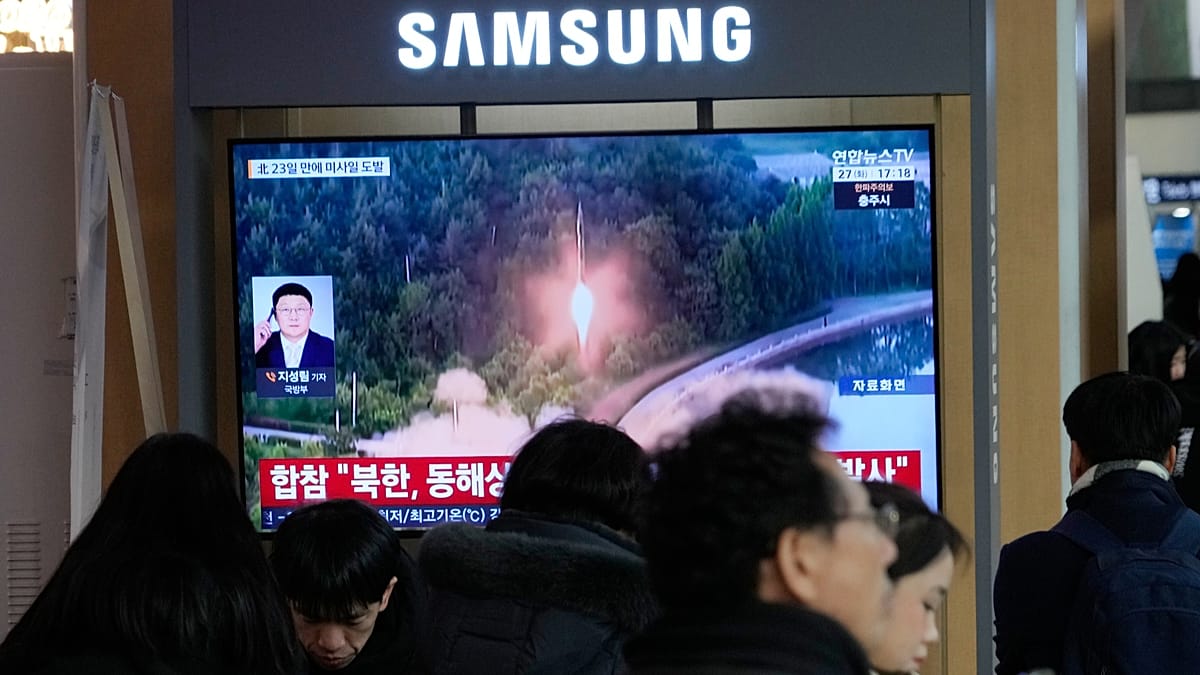
Europe is enduring its third heatwave of the year, with temperatures forecast to reach 43°C in parts of the Mediterranean. France has placed over half of its 96 departments under red alert, urging residents to avoid direct sunlight and exercise “absolute vigilance.” The UK’s Met Office warns of daytime highs up to 38°C in southern England, accompanied by tropical nights where temperatures stay above 20°C. Germany, Spain, Portugal, and Switzerland are also bracing for scorching conditions that are disrupting daily life.
Hundreds of schools across the continent have closed or shortened hours. Train services in Paris and Brussels have been reduced to prevent breakdowns. Paris’s Fête de la Musique festival went ahead, but authorities banned alcohol consumption in public to reduce dehydration risks. Brussels residents have sought relief in fountains as the heatwave intensifies.
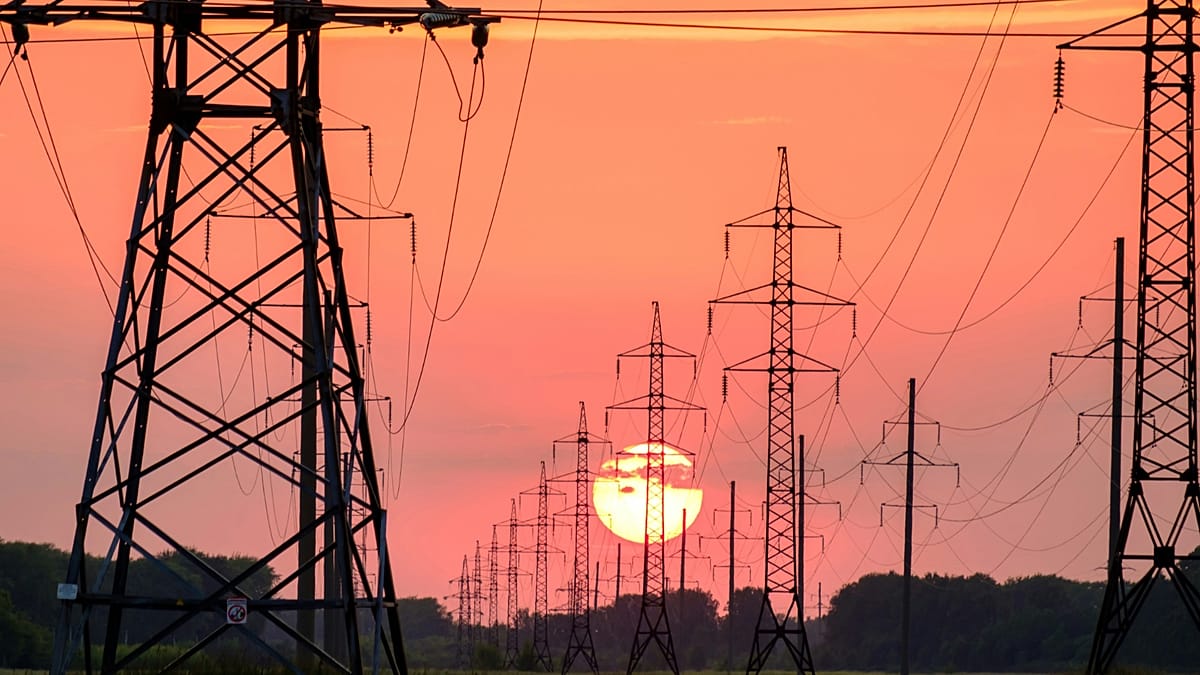
Beyond the immediate health and logistical impacts, extreme heat places a hidden strain on Europe’s electricity grids. As air conditioning and fans run at full capacity, demand for power surges. The International Energy Agency (IEA) noted in 2023 that “record-shattering temperatures are feeding demand for air conditioning and driving surges in demand for electricity – which can result in a vicious cycle of increased greenhouse gas emissions.”
Which Countries Face the Biggest Electricity Demand Spikes?
A study by price comparison website Compare the Market analyzed 85 countries representing about 90% of global electricity consumption, comparing demand during the hottest 10% of months with normal-temperature months. Greece ranked first worldwide, with electricity demand rising by 38.62% during extreme heat – an additional 143.08 kWh per person per month. Montenegro came second at 22.49%, followed by Türkiye (21.91%), Croatia (17.76%), Italy (14.22%), and Spain (8.86%).
These surges can push grids to their limits. When demand exceeds generation capacity or the physical limits of the power grid, the system’s electrical frequency drops, potentially causing blackouts. Using the five most recent years of outage data, Compare the Market also calculated average annual outage durations. Among European countries, Hungary recorded the longest average outage at 2.92 hours per year, followed by Slovenia at 2.16 hours and Greece at 1.63 hours. Italy, despite shorter outages, faces the highest total estimated household cost at €154.7 million annually, due to its large population. Poland follows at €152.1 million.
France has seen 20 drownings as 54 departments remain on red alert, highlighting the broader dangers of the heatwave.
Can Renewables Keep the Lights On?
During a similar heatwave in June and July last year, daily power demand increased by up to 14%, and combined with thermal power plant outages, average daily power prices rose two to three times. However, energy thinktank Ember reports that record EU solar generation helped maintain supply stability. “In the peak days of the heatwave, solar delivered up to 50 GW of power in Germany alone, generating 33–39% of Germany’s electricity,” Ember states. “Germany has 14 GW of battery storage and 10 GW of pumped storage, which helped to store some solar to use when the sun went down.”
This renewable capacity is proving critical as Europe’s grids face repeated stress tests from climate change. The current heatwave underscores the need for continued investment in both solar generation and storage infrastructure to prevent blackouts and keep prices in check. Eurostar has cut Paris-London services as the heatwave disrupts travel across the region.