In an era of constant connectivity and packed itineraries, the idea of doing nothing on holiday can feel almost radical. Yet a growing number of travellers are embracing the 'stillcation'—a trip designed not around activities, but around simply being present. The concept is gaining traction as research shows that natural environments can help the brain enter a restorative state, reducing stress and improving mental clarity.
Tour operator Inghams Walking has analysed nearly 100 European destinations to identify where conditions are most conducive to this kind of intentional slowdown. Their ranking considered six factors: walking trails per square kilometre, air quality, birdsong richness, stargazing quality, human density, and forest cover. The result is a list that spans from the remote Scottish Highlands to the Austrian Alps, offering a guide for those seeking a true digital detox.
The science of stillness
The benefits of such environments are not just anecdotal. Eloise Skinner, a UK-based psychotherapist, explains that natural settings can trigger the brain's 'default mode network'—a resting state that, despite its name, is active in consolidating memories, processing emotions, and fostering self-awareness. 'Being surrounded by natural landscapes removes many obstacles and distractions, allowing us to turn our attention inward and feel a sense of greater connection and calm,' she says. This shift from 'fight or flight' to 'rest and digest' can lower heart rate and reduce cognitive fatigue.
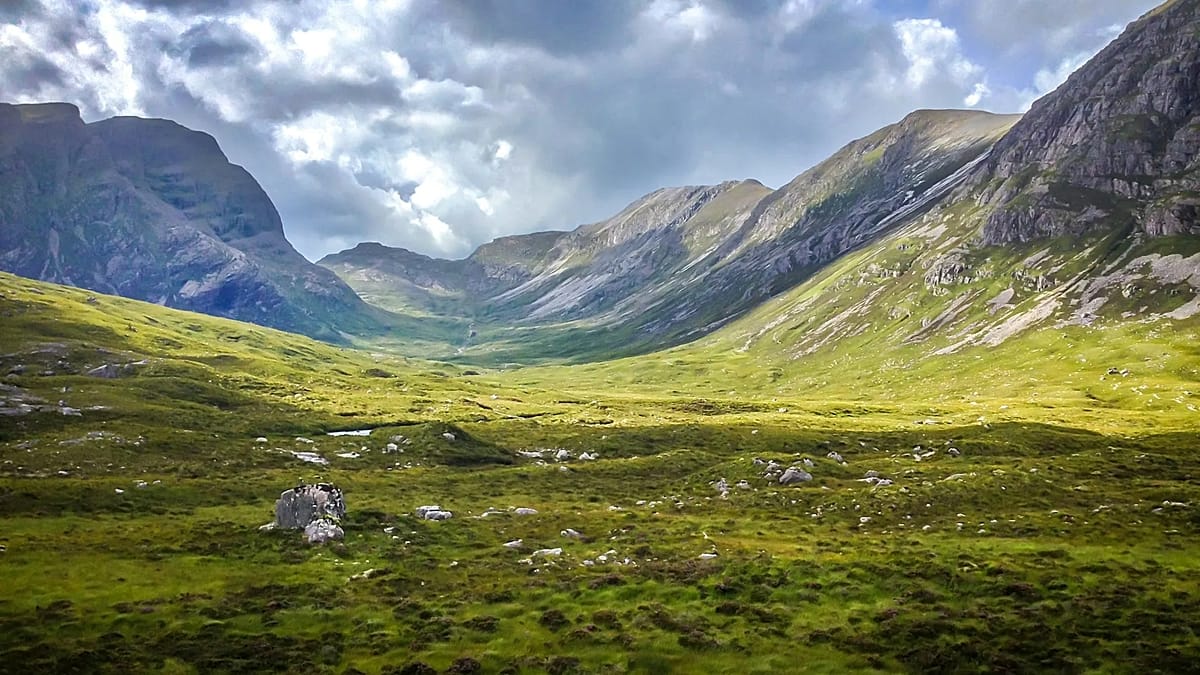
The ranking's top spot goes to Wester Ross in the northwest Highlands of Scotland, a region of dramatic peaks, deep sea lochs, and pristine coastline. With just 1.6 inhabitants per square kilometre and minimal light pollution, it offers an almost untouched environment where otters and black-throated loons thrive in Loch Maree. Visitors can also immerse themselves in Gaelic culture and observe traditional crofting practices.
Second on the list is the French Pyrenees, a mountain range stretching over 430 kilometres along the Franco-Spanish border. The area is a haven for birdwatchers, with more than 319 species, and its natural soundscape—birdsong, rustling leaves, flowing water—has been shown to lower stress. Hikers can tackle the Andréyt ridges from the Col d'Aubisque, an 8.7-kilometre path offering sweeping views over green valleys.
Abisko in Swedish Lapland ranks third, famed for its Northern Lights from September to April. It also scores highest for walking trails, with a dense network of mapped routes that allow visitors to explore without extensive planning. Further down the list, the Engadin Valley in Switzerland, the Dolomites in Italy, and the Picos de Europa in Spain all feature, each offering unique landscapes from alpine meadows to limestone peaks.
The list also includes the Outer Hebrides, Corsica, Gotland, and several Austrian resorts such as Kitzbühel and St. Anton, known for their hiking infrastructure and clean air. Slovenia appears twice, with Kranjska Gora and Lake Bled, both offering serene settings amid the Julian Alps.
For those inspired to plan a stillcation, the key is to choose a destination where nature can do the heavy lifting. As Skinner notes, 'The environment can help us move into a state of rest and digest, reducing our stress response.' Whether it's the solitude of Wester Ross or the birdsong of the Pyrenees, these places offer a chance to slow down and reconnect.
Interestingly, the trend aligns with broader shifts in travel preferences. Many European destinations are now rewarding eco-conscious visitors with perks, as seen in incentives for sustainable tourism. And for those who prefer to travel by rail, the possibility of extending Scotland's Caledonian Sleeper to mainland Europe could make such getaways even more accessible.
Ultimately, a stillcation is not about doing nothing—it's about giving the mind space to wander. As the research suggests, the right environment can be transformative. So next time you plan a break, consider trading the checklist for a quiet trail, and let Europe's natural wonders do the rest.