Another heatwave is forming over the Atlantic, and the World Health Organization (WHO) warns that Europe may face more deadly weeks ahead. Spain's weather agency, AMET, has issued a red alert for three eastern regions—Aragon, Catalonia, and Valencia—where temperatures could hit 42°C. Portugal and France are also preparing for highs above 40°C, with forecasts predicting tropical nights where the mercury stays above 20°C, disrupting sleep and straining public health.
Wildfires are already sweeping across large parts of the continent, forcing evacuations and even banning spectators from a stage of the Tour de France. The link between these extreme events and the persistent burning of fossil fuels is clear, as Europe's climate warms. The UK's Climate Change Committee has warned that 22 percent of British buildings will need active cooling if global temperatures rise by 2°C.
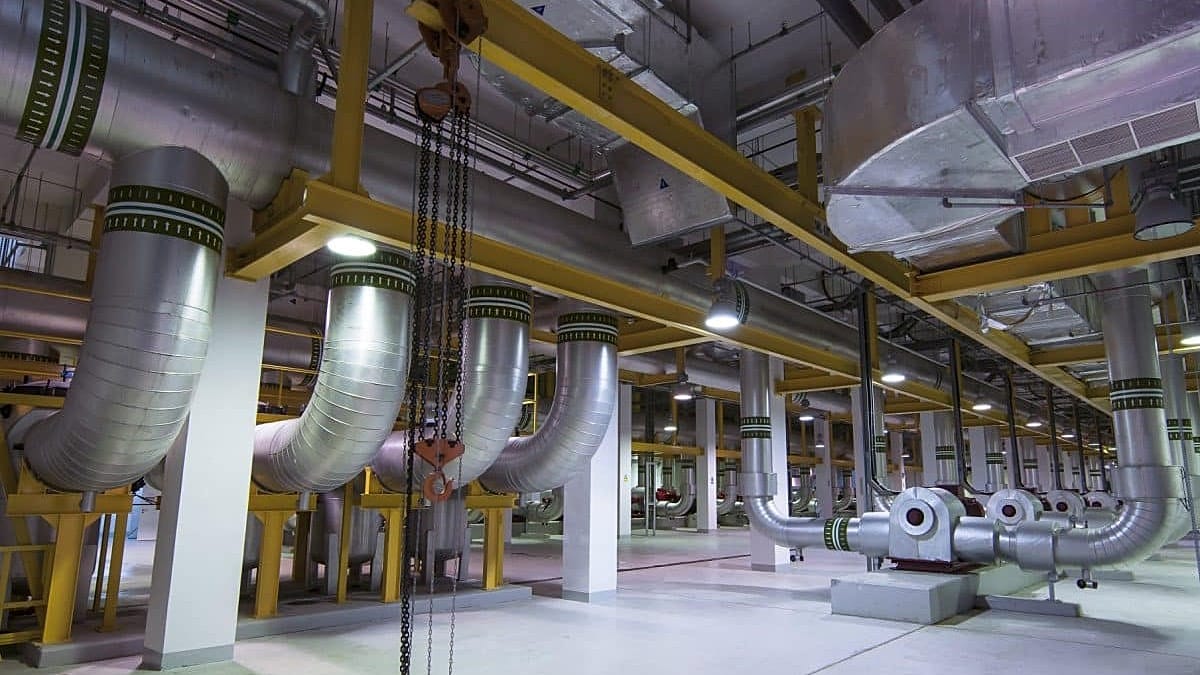
Yet air conditioning, while life-saving, is not a long-term solution, according to the European Commission. Air con units are energy-intensive, strain electricity grids, and contribute to the urban heat island effect by dumping hot air into city infrastructure. In response, a growing number of European cities are turning to district cooling systems that use rivers, seawater, or geothermal energy to chill water centrally and distribute it through underground pipes.
Under the EU's Energy Efficiency Directive, cities with more than 45,000 inhabitants must develop local heating and cooling plans. District cooling capacity increased by over three percent in 2023, and the trend is accelerating. The European Commission states that district cooling offers clear benefits for safeguarding public health and cutting emissions, using less energy than individual air conditioning and relying on low-carbon sources like river water or waste heat.
Marseille's Seawater Solution
Marseille is leveraging the Mediterranean Sea through two networks, Massileo and Thassalia, which use 4.4 kilometers of pipes to connect seawater energy to heat pumps in urban districts. These systems provide heating, cooling, and hot water to buildings, achieving an 80 percent reduction in CO₂ emissions compared to fossil fuels. The city is now exploring how waste heat from energy-intensive AI data centres could be recovered to warm homes during colder months.
In Paris, the Fraîcheur de Paris network is one of Europe's largest district cooling systems, with 120 kilometers of underground pipes drawing cold water from the Seine. It serves around 850 buildings, including the Louvre, using heat exchangers instead of individual air conditioning units. The network delivers over 100 percent energy efficiency, reduces electricity consumption by 35 percent, cuts refrigerant emissions by 90 percent, and lowers CO₂ emissions by 50 percent.
Barcelona, already home to one of the world's largest networks of climate shelters—public buildings like libraries and museums offering free water and cooling—also hosts one of Southern Europe's biggest thermal energy distribution systems. Operated by Districlima, the network uses four parallel pipes for hot and cold water, supplied from three plants, one cooled by seawater. It connects to 192 buildings and has reduced fossil energy consumption by 96 percent.
Vienna's MedUni campus features a district cooling centre that uses chillers powered by electricity and district heating to produce cold water. A heat pump captures excess indoor heat for winter use, creating what the EU describes as a seasonally efficient energy loop. This system saves 1,000 tonnes of CO₂ emissions annually compared to conventional air conditioning.
As Europe braces for more intense heatwaves, these water-based cooling networks offer a scalable, low-carbon path forward. They reduce reliance on fossil fuels, ease pressure on electricity grids, and help protect vulnerable communities from deadly temperatures. The EU's push for holistic cooling strategies, as outlined in recent policy shifts, underscores the urgency of adapting infrastructure to a warming continent.