Across Germany, a quiet revolution is underway in basements and balconies. Households are pairing photovoltaic panels with battery storage systems to insulate themselves from the volatility of fossil fuel markets. The strategy, driven by a combination of government incentives and rising energy costs, is reshaping the country's energy landscape.
Germany already leads the European Union in renewable electricity generation. According to the energy think-tank Ember, the country produced more electricity from wind and solar than any other EU member last year, accounting for over a quarter of the bloc's total output from those sources. Its portfolio includes 182 offshore wind projects and Europe's largest operational solar park, a 500-hectare installation built on a former coal mine.
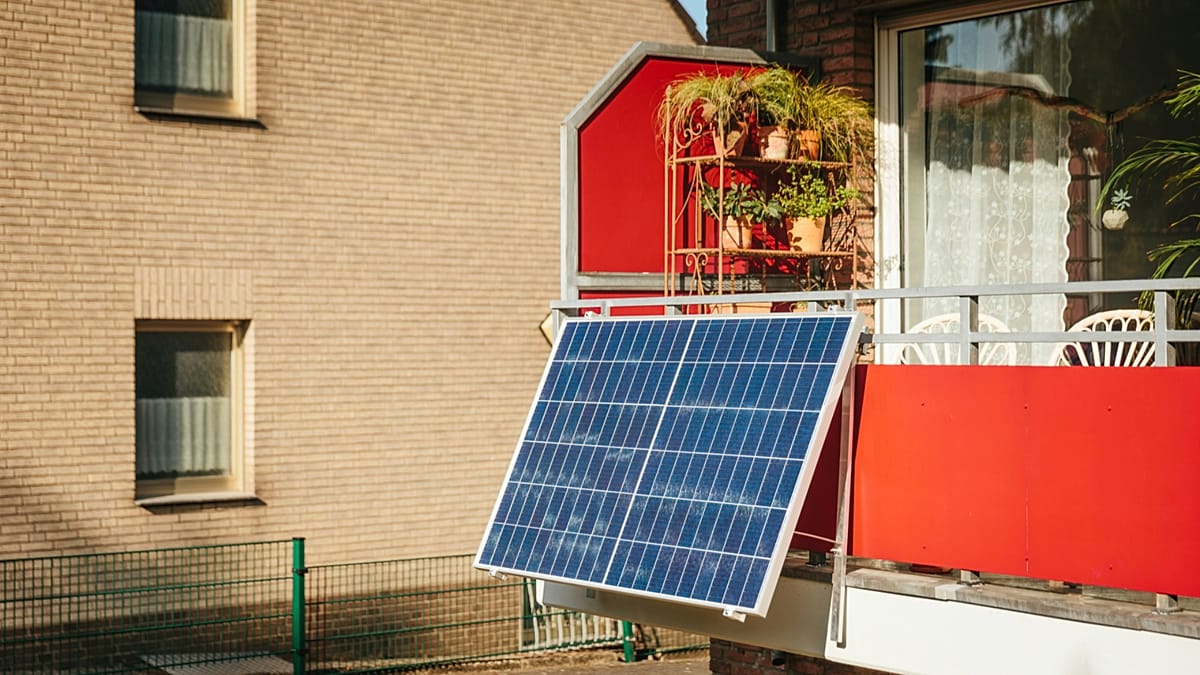
The boom in plug-in solar kits has been particularly striking. More than a million such devices were installed between 2022 and 2025, fueled by feed-in tariffs that guaranteed a fixed price for electricity sold to the grid and the elimination of VAT on panels. Kits now cost as little as €200, making them accessible to renters and homeowners alike. These balcony-mounted units offer a low-cost alternative to traditional rooftop installations, which require expensive professional fitting.
Experts estimate that plug-in solar could cover up to 2% of German electricity demand by 2045, the year the country aims to achieve climate neutrality. Yet the rapid expansion of renewables has exposed a critical weakness: Europe's aging grid infrastructure. A recent report from Ember warns that more than 120 GW of anticipated renewable capacity is at risk unless transmission networks are significantly upgraded.
Batteries as a buffer
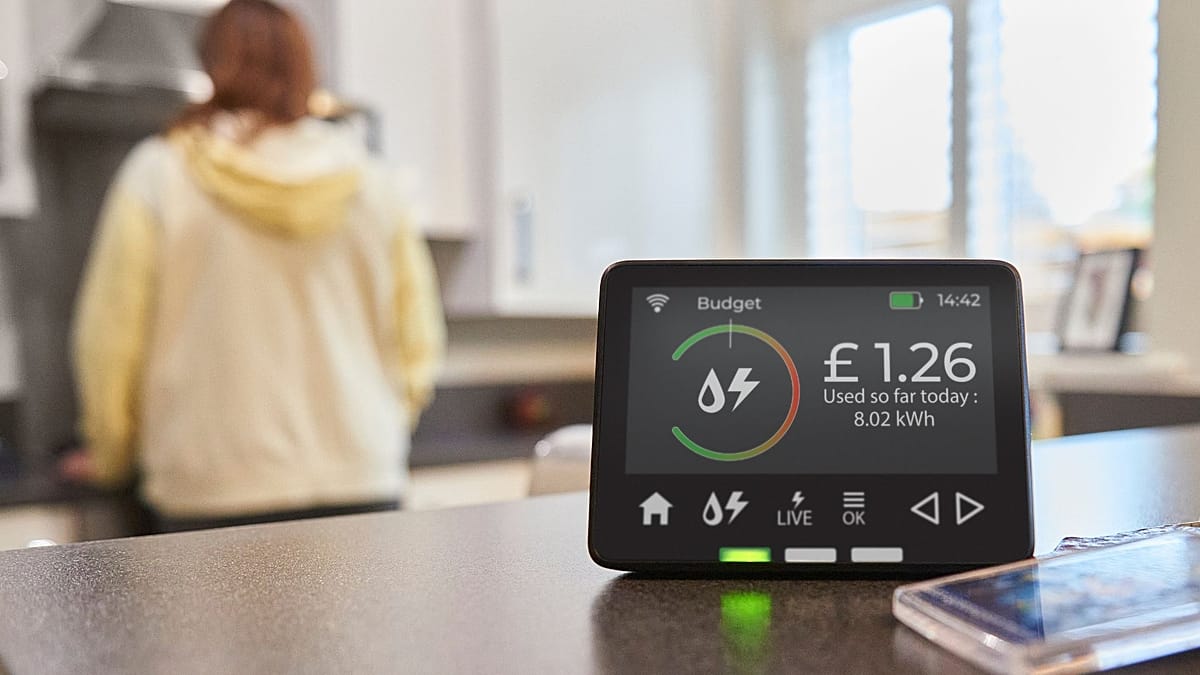
Germany already experiences frequent episodes of negative electricity pricing on sunny days, when solar generation outstrips demand. The number of hours with sub-zero prices has risen 50% compared to last year, as generators underbid each other to avoid being switched off—a process known as curtailment. Battery storage systems offer a solution by capturing surplus daytime energy for use in the evening, when demand peaks as people return home.
“With grid expansion lagging renewable deployment, flexibility has emerged as the key enabler of further progress,” notes Solar Power Europe, a trade association for the European solar sector.
Data from clean-tech startup 1KOMMA5° shows that Germany's battery storage capacity has grown from 21.8 GWh to 29.83 GWh since June 2025—a 37% increase. To put that in perspective, 30 GWh is enough to fully charge 500,000 electric vehicles. Home storage systems account for nearly 22 GWh of that total, with the remainder in large-scale installations.
“With the beginning of the Iran war and the subsequent price jumps for fossil fuels, interest in [energy] independence has risen again,” says Jannik Schall of 1KOMMA5°. “If you want to protect yourself from the price shocks of the fossil fuel markets, you rely on the combination of control and storage. Consumers have recognised how useful and profitable batteries are, especially in combination with solar systems, heat pumps and EVs.”
The trend extends beyond Germany. Across the European Union, 27.1 GWh of new battery energy storage systems were installed last year, marking 12 consecutive years of record growth. According to a 2026 report from Solar Power Europe, the EU battery fleet has expanded tenfold since 2021, reaching over 77 GWh. Yet the same report warns that Europe remains “far from where it needs to be” to fully integrate renewables and meet climate targets.
For German households, the calculus is clear: batteries not only reduce reliance on fossil fuels but also offer a hedge against price spikes. As the country pushes toward climate neutrality, the combination of solar, storage, and smart controls is becoming a cornerstone of energy independence.