Even in cities where air quality meets the World Health Organization’s daily guidelines, a new study suggests that short-term spikes in fine particulate matter can trigger respiratory symptoms at lower levels than previously recognized. The research, led by the University of Cambridge in the UK, Tsinghua University in China, and the sleep-tracking company Sleep Cycle, indicates that the human respiratory system is remarkably sensitive to even modest fluctuations in air pollution.
The team analyzed coughing sounds from roughly 100,000 users of the Sleep Cycle app across 32 cities in 12 countries over a 500-day period. They found that when fine particulate matter (PM2.5) increased by 10 micrograms per cubic metre (μg/m³), coughing levels rose by 2.4% over the following five days. This effect persisted even in relatively clean urban environments, challenging the idea that there is a safe threshold for pollution exposure.
“This suggests that there may be no such thing as a safe threshold for exposure to air pollution, although our research is purely observational,” said Cecilia Mascolo, who led the research at Cambridge. “However, people may wish to consider how they might mitigate their own exposure to air pollution, by using masks or air filters, for example.”
Night-time coughing and sleep disruption
Beyond immediate respiratory irritation, the study highlights a less obvious consequence: night-time coughing disrupts sleep. Poor-quality rest has been linked to a range of systemic issues, including cardiometabolic dysfunction, impaired cognitive performance, and neurodegenerative risks. The authors argue that acute pollution episodes may therefore have broader health implications than just a sore throat.
The researchers also examined the case of Los Angeles during its severe 2025 wildfire season. There, a 10 μg/m³ increase in particulate matter was associated with a 10% surge in nocturnal coughing, suggesting that extreme pollution events trigger disproportionately large spikes in acute symptoms.
To ensure the results were robust, the team accounted for other factors that could influence coughing, such as weather conditions and influenza levels. The pollution-related pattern remained significant.
Air quality across European cities
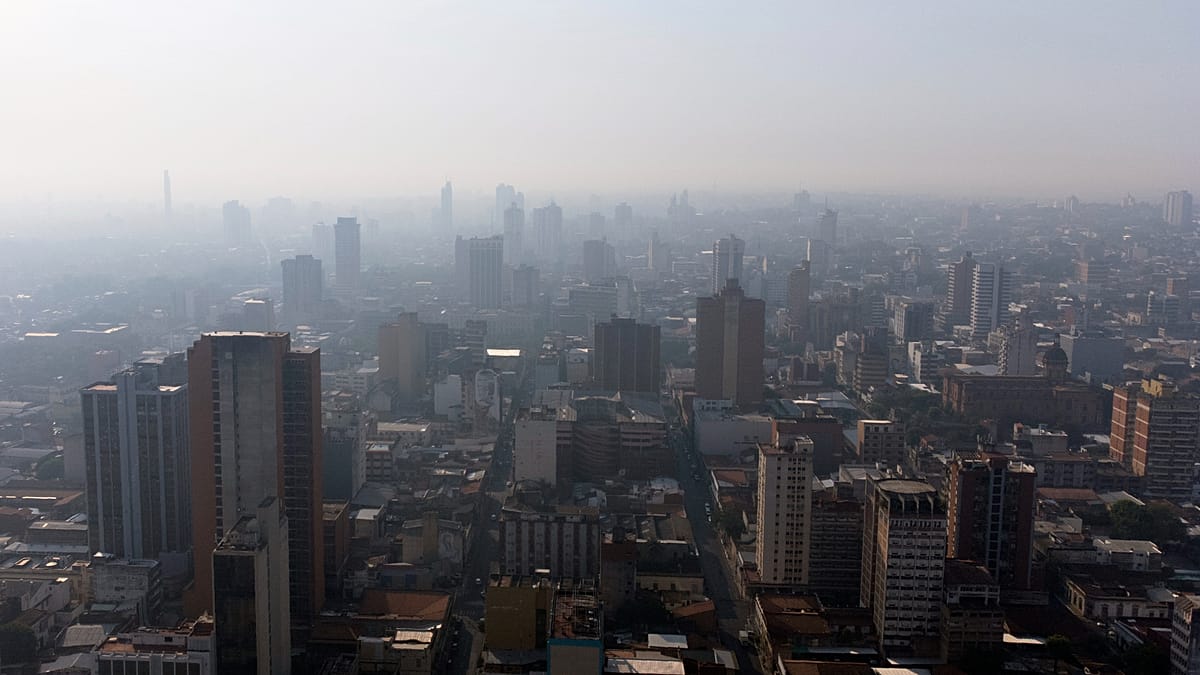
Among the 13 European cities included in the study, average daily PM2.5 concentrations ranged from a low of 5.47 μg/m³ in Uppsala, Sweden, to a high of 14.70 μg/m³ in Bergamo, Italy. The mean across these cities was approximately 10.58 μg/m³, which is below the WHO’s recommended daily limit of 15 μg/m³ for more than 3–4 days per year. Yet the study found measurable health effects even at these levels.
European cities generally showed low-to-moderate baseline pollution compared to the most polluted global cities in the dataset, such as Beijing (40.97 μg/m³) and Shanghai (33.48 μg/m³). Still, the findings suggest that even relatively clean European air can have an impact on respiratory health and sleep.
“Everyone coughs from time to time, but coughing, whether it’s a one-off or more persistent, is a sign of irritation or inflammation in the lungs,” said lead author Tong Xia from Tsinghua University. “A cough could be a sign of something that hasn’t become chronic yet, but might in future.”
The study adds to growing evidence that air pollution affects health even at levels once considered safe. For Europeans, this may prompt a closer look at local air quality and personal mitigation strategies, especially in cities like Bergamo or border regions where pollution can vary. As the authors note, the link between pollution and sleep disruption could have long-term consequences for public health across the continent.