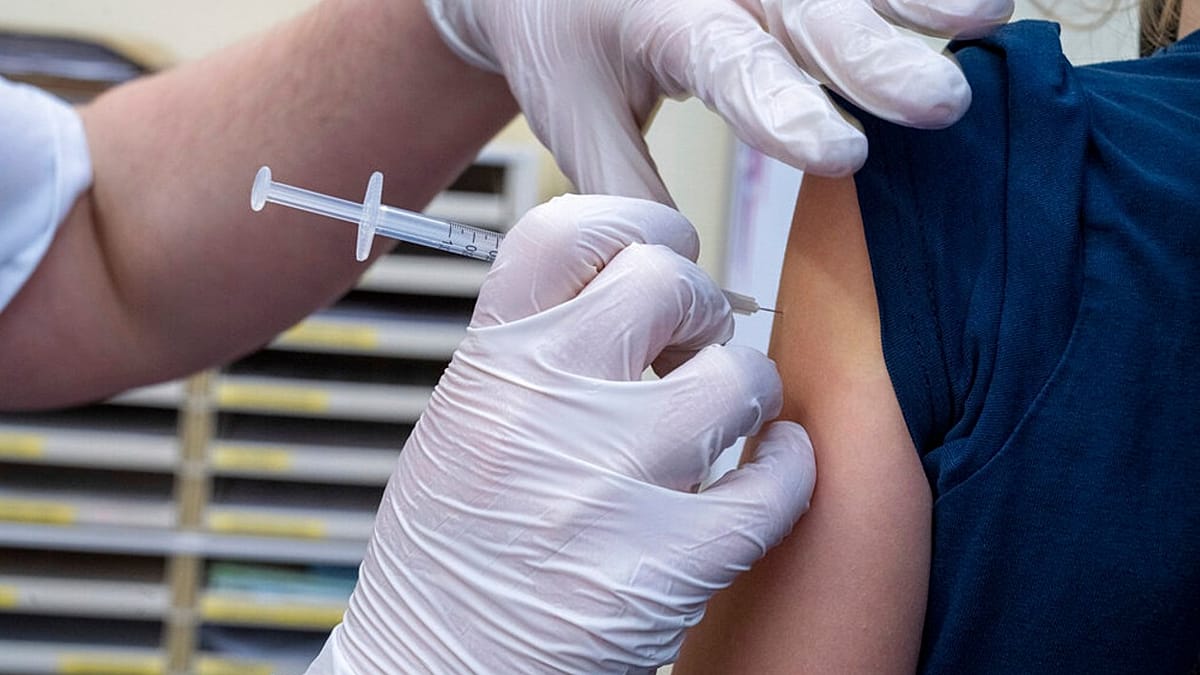
As autumn settles over Europe, public health officials are urging older adults to roll up their sleeves. In the United Kingdom, Prime Minister Andy Burnham, 56, made a point of receiving his flu jab in front of the cameras in Manchester. Across the Atlantic, New York Mayor Zohran Mamdani, 35, was spotted in early October wearing a badge that read “I got my flu shot.” But in Germany, the enthusiasm for flu vaccination is noticeably muted.
According to the German medical journal Ärzteblatt, only 34% of people aged 60 and over in Germany received a flu shot in 2025. The Robert Koch Institute (RKI), Germany’s federal public health agency, reports this is the lowest level in 17 years. The trend is worrying, especially as winter approaches and respiratory viruses circulate widely.
Who should get vaccinated in Germany?
The RKI’s standing vaccination committee (STIKO) recommends the flu vaccine for several groups: everyone aged 60 and over, people with chronic underlying conditions, residents of care homes, medical staff, pregnant women, and those who have regular contact with certain animals such as pigs or poultry. These recommendations are designed to protect both individuals and the wider community.
For older adults, the flu shot is just one part of a broader autumn immunisation plan. The RKI also advises vaccination against pneumococci—bacteria that can cause pneumonia and meningitis—and against herpes zoster, commonly known as shingles. Additionally, older people should discuss the respiratory syncytial virus (RSV) vaccine with their doctor, as RSV can lead to severe respiratory illness in the elderly.
COVID-19: a narrower recommendation
The coronavirus vaccination recommendation has been scaled back. The RKI now advises COVID-19 vaccination primarily for people over 75, those in high-risk groups (such as patients with weakened immune systems), and medical staff. Pregnant women with underlying health conditions are also encouraged to get immunised. Because of this narrower recommendation, not all patients with statutory health insurance will have the COVID-19 vaccine fully reimbursed. As early as 2025, only 16% of Germans over 60 were still getting vaccinated against COVID-19, according to RKI data.
Measles: mandatory for children
Germany has a special vaccination schedule for babies and young children, covering diseases such as RSV, tetanus, diphtheria, whooping cough, polio, hepatitis B, meningitis, measles, rubella, and mumps. The Measles Protection Act requires proof of vaccination or immunity before children can attend nursery or school, and for people born after 1970 who work in childcare or healthcare facilities. This legal requirement has helped keep measles largely under control in Germany, unlike in the United States, where recent outbreaks have been driven by gaps in vaccination coverage.
Beyond specific protection
Vaccines may offer benefits that extend beyond preventing a single disease. Several studies are investigating whether the flu jab can reduce cardiovascular complications, and whether certain vaccinations might help prevent dementia. While these effects are not yet fully understood, they add to the growing evidence that immunisation is a cornerstone of public health.
As the continent braces for another respiratory season, health experts in Berlin and beyond are hoping that Germans will heed the call. The low uptake is a reminder that vaccine confidence cannot be taken for granted. For those planning their autumn health routine, a conversation with a doctor about flu, pneumococcus, shingles, and RSV is a sensible first step.