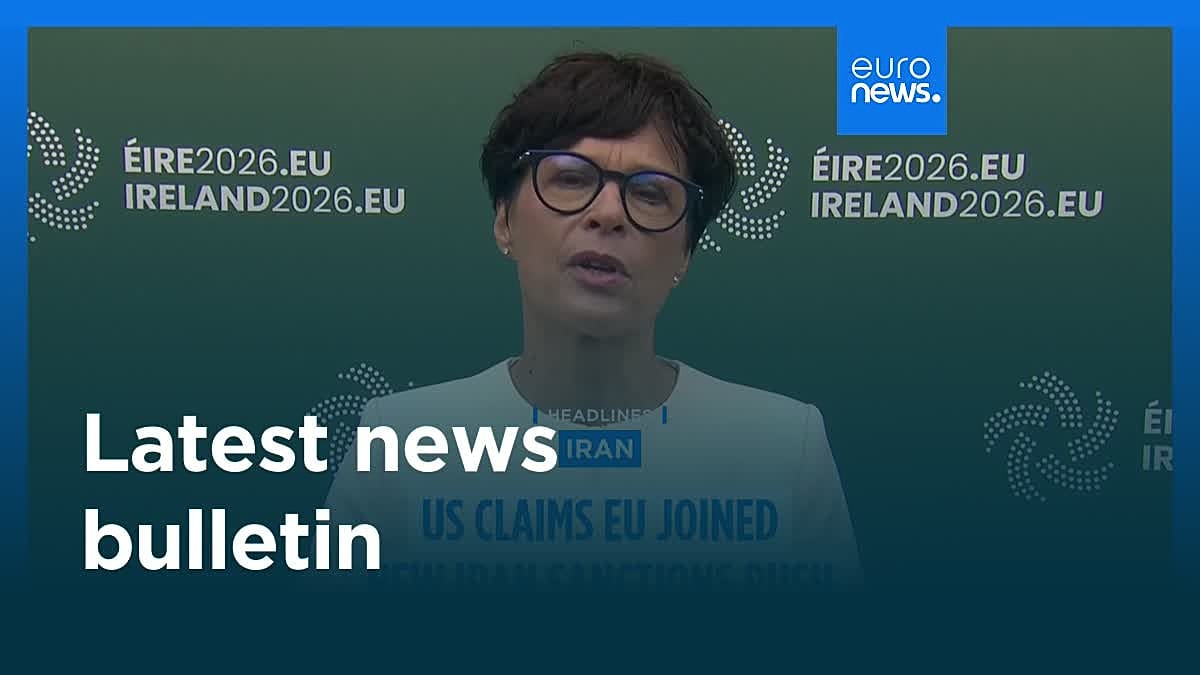
As the sun sets over the continent, European Pulse brings you the essential stories from September 4, 2026. From the corridors of power in Brussels and Berlin to the cultural hubs of Paris and Rome, here is what you need to know to stay informed.
Politics and policy
In Brussels, EU energy ministers convened for an emergency session to address the latest supply disruptions from the east. The meeting, chaired by the Hungarian presidency, focused on accelerating the bloc's transition to renewable sources and diversifying import routes. "We cannot afford another winter of uncertainty," said Energy Commissioner Kadri Simson, urging member states to finalise joint gas purchases before the cold season.
Meanwhile, in France, President Emmanuel Macron faced a delicate parliamentary arithmetic as his government prepared to push through a contested pension reform. The Élysée Palace signalled willingness to compromise, but opposition parties, from the far left to the far right, vowed to block the bill. The outcome could shape the remainder of his second term.
In Germany, the Bundestag debated a new security strategy that includes increased defence spending and a more assertive role in NATO's eastern flank. Chancellor Olaf Scholz defended the plan, arguing that "European security requires German leadership." The debate comes amid heightened tensions with Russia and a renewed focus on collective defence.
Business and economy
The European Central Bank kept interest rates unchanged, as expected, but signalled a cautious approach to future hikes. ECB President Christine Lagarde noted that inflation is easing but remains above the 2% target. Markets reacted positively, with the euro gaining against the dollar. Analysts at Frankfurt's financial district see a possible rate cut in the first quarter of 2027.
In corporate news, Airbus announced a major order from a Middle Eastern carrier, boosting its production outlook. The deal, worth an estimated €12 billion, will support jobs across its plants in Toulouse, Hamburg, and Seville. The aerospace giant also reaffirmed its commitment to sustainable aviation fuels, a key priority for the EU's green agenda.
Culture and society
The Venice Film Festival continued to draw crowds, with European productions taking centre stage. A French-Italian co-production about post-war reconciliation received a standing ovation, while a documentary on the Balkans' cultural heritage sparked debate. The festival, a barometer of European cinema, highlights the continent's creative diversity.
In the world of travel, new rail connections between Lisbon and Madrid were launched, promising faster and greener journeys across the Iberian Peninsula. The service, operated by a consortium of national railways, is part of the EU's push to double high-speed rail usage by 2030. Travellers can now cross the border in under three hours, a boon for tourism and business alike.
Looking ahead
As the evening unfolds, European leaders are preparing for the upcoming European Council summit later this month. Key agenda items include migration, digital sovereignty, and the bloc's strategic autonomy. The discussions will set the tone for the autumn, with member states eager to show unity on pressing challenges.
For a deeper dive into the issues shaping the continent, explore our morning briefing for September 7 and midday bulletin for September 8. And for a look at how education systems are coping with conflict, read our analysis on war's impact on children's learning.
Stay with European Pulse for continuous updates and in-depth reporting from across the continent.