A major new study has revealed that parts of Europe are now experiencing up to 40 additional days of extreme heat stress each year compared to the 1970s. This phenomenon, which combines high temperatures with humidity, is proving far deadlier than simple heatwaves and is reshaping public health and infrastructure planning from Madrid to Warsaw.
What is extreme heat stress?
Extreme heat stress occurs when the body's ability to cool itself through sweating is overwhelmed by a combination of high ambient temperature, humidity, and often lack of wind. Unlike a standard heatwave, which is defined by temperature alone, heat stress accounts for the body's physiological response. When humidity is high, sweat evaporates more slowly, meaning the body cannot shed heat effectively. This can lead to heat stroke, organ failure, and death, even in healthy individuals.
The study, conducted by researchers at the European Commission's Joint Research Centre in Ispra, Italy, used the Universal Thermal Climate Index (UTCI) to measure heat stress across the continent. The UTCI considers temperature, humidity, wind speed, and radiation to produce a 'feels-like' temperature that reflects the actual strain on the human body. The results show that regions such as the Po Valley in Italy, the Iberian Peninsula, and the Balkans are now regularly experiencing 'strong' and 'very strong' heat stress categories that were rare five decades ago.
In southern Spain, for example, cities like Seville and Córdoba now see more than 60 days per year with strong heat stress, up from around 20 in the 1970s. In France, the Rhône Valley and the Mediterranean coast have seen similar increases, with Lyon and Marseille experiencing an extra 30 days of heat stress annually. Even northern Europe is not immune: London, Berlin, and Copenhagen have recorded a rise of 10 to 15 additional days of moderate heat stress since the 1970s.
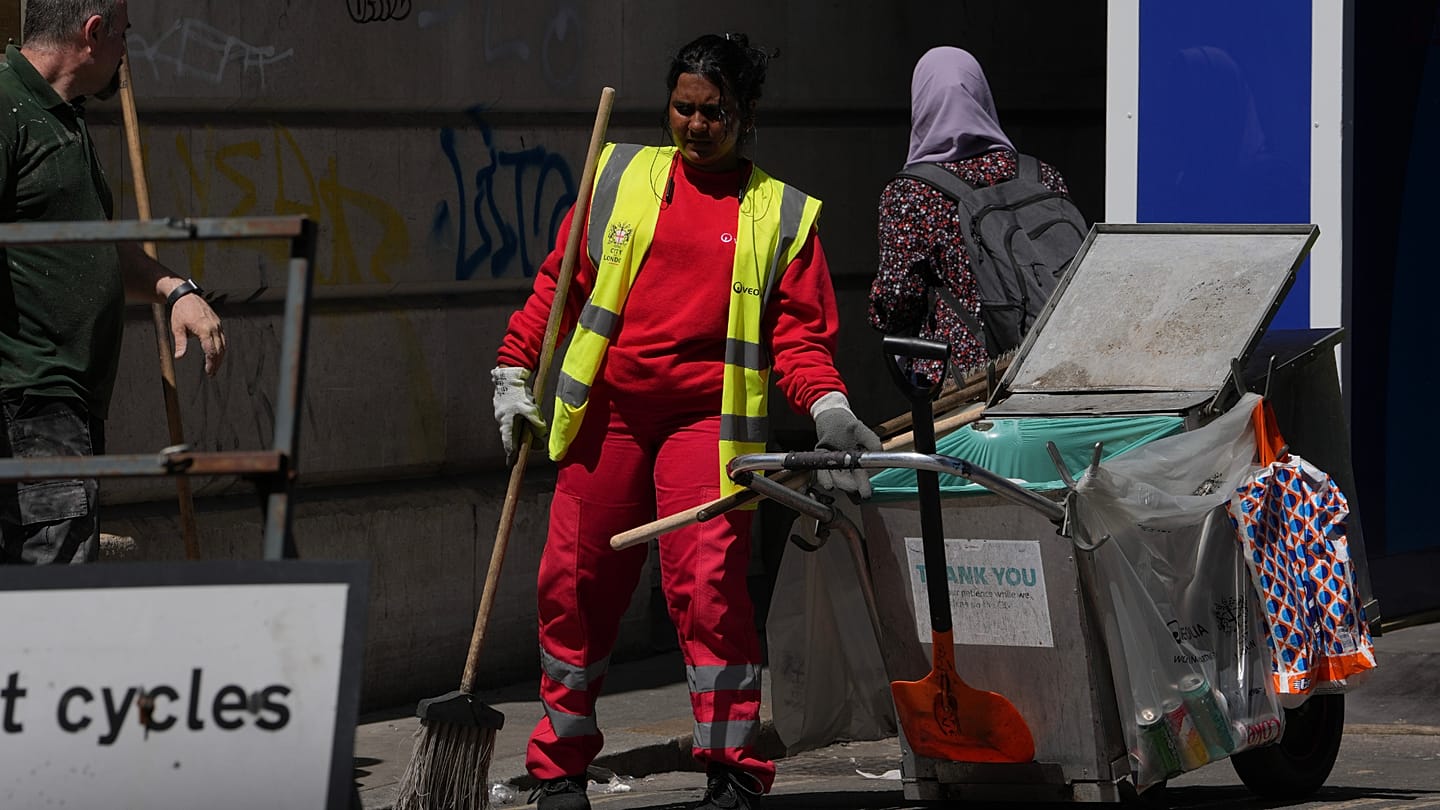
The health implications are stark. According to the European Environment Agency, heat-related mortality in Europe has increased by 30% over the past two decades, with the elderly, outdoor workers, and those with pre-existing conditions most at risk. During the summer of 2022, which saw record-breaking heat across the continent, an estimated 61,000 excess deaths were attributed to heat, with Italy, Spain, and Germany among the hardest hit. The new study suggests that such summers could become the norm by 2040 if greenhouse gas emissions continue at current levels.
Infrastructure is also under strain. In Belgium, health authorities have issued repeated alerts as heat stress has overwhelmed hospitals and emergency services. In France, the Eiffel Tower was forced to close temporarily during peak heat stress events, and power cuts occurred in Finistère as the grid struggled to cope with surging demand for air conditioning. Meanwhile, in Spain, traditional festivals like the San Juan bonfires were cancelled across half the country as authorities warned of extreme fire risk and heat stress.
The study's authors emphasize that adaptation is urgent. 'Heat stress is not just about temperature; it's about how the environment interacts with the human body,' said Dr. Ana Casanueva, a lead researcher. 'We need to redesign cities, improve early warning systems, and ensure that vulnerable populations have access to cooling centers and hydration.' Some cities are already acting. Paris has planted thousands of trees and created 'cool islands' in public squares. Vienna is using reflective materials on rooftops and pavements. Athens has appointed a chief heat officer to coordinate responses.
But the challenge is continental. Unlike hurricanes or floods, heat stress is invisible and cumulative, often killing quietly in homes without air conditioning or among workers in fields and factories. As the study makes clear, the phenomenon is no longer a future threat but a present reality, demanding coordinated action from the EU, national governments, and local communities.