For many travellers, the view from the carriage window is the defining feature of a long rail journey. While countless subjective lists of scenic routes exist, a new analysis has applied scientific methodology to determine which vistas most consistently capture and hold human attention. Insurance firm InsureandGo employed eye-tracking technology, presenting participants with images from iconic rail journeys worldwide and measuring both the speed at which their gaze was drawn to the scenery and the duration of their visual engagement.
Japan's Bamboo Forest Takes the Top Spot
The study concluded that the most visually arresting journey is Japan's Sagano Romantic Train, a 25-minute ride through the Arashiyama bamboo forest near Kyoto. The route follows the Hozu River between Saga-Arashiyama and Kameoka, with open-sided carriages offering unobstructed views. The service is exceptionally popular, particularly during the cherry blossom season in spring and the vibrant autumn foliage, necessitating advance booking.
European Routes Dominate the Rankings
Europe claims three of the top five positions, underscoring the continent's diverse and dramatic landscapes best appreciated by rail. The highest-ranked European journey, and second overall, is the Bernina Express. This four-hour trip traverses a UNESCO World Heritage railway line, connecting Chur in Switzerland to Tirano in Italy. It ascends to the Bernina Pass at 2,253 metres, offering passengers panoramic views of alpine glaciers, frozen lakes, and golden larch forests that shift with the seasons.
Switzerland secures another top position with the Glacier Express, ranked third. The eight-hour 'world's slowest express train' deliberately takes its time on the journey between Zermatt and St. Moritz, allowing passengers to absorb the panorama of the Matterhorn and traverse the dramatic Rhine Gorge, often called the 'Swiss Grand Canyon'.
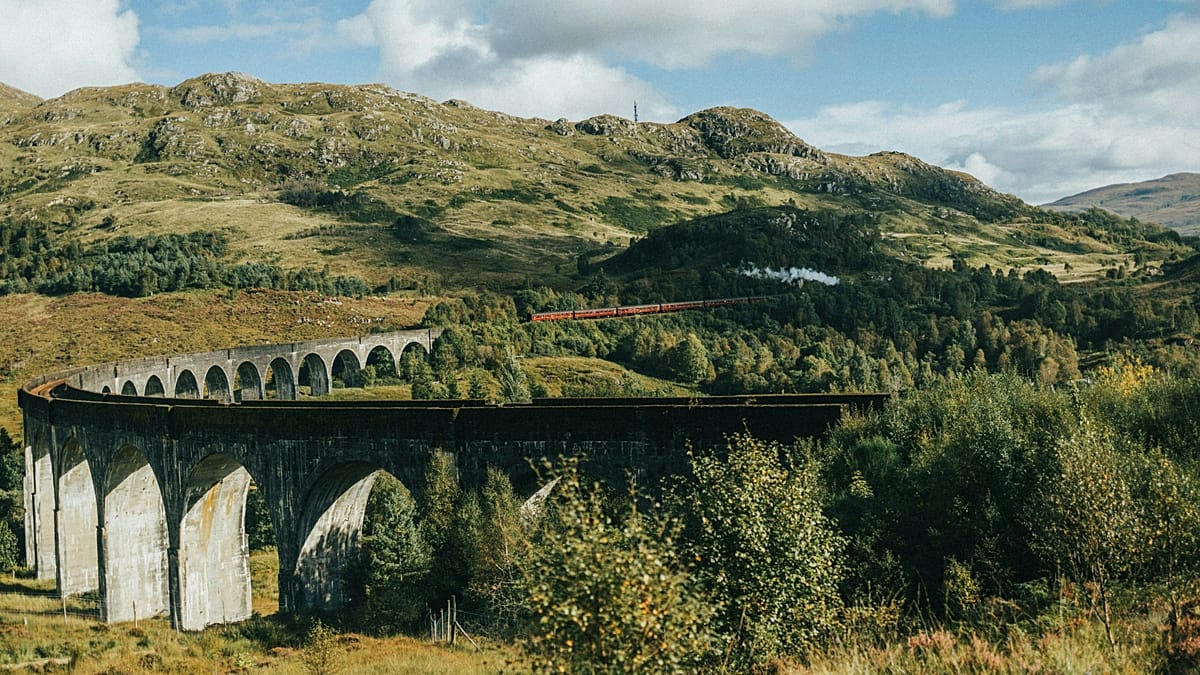
The United Kingdom's sole entry is Scotland's West Highland Line, running from Glasgow to the port of Mallaig. The route showcases wild Highland scenery, including Loch Lomond and the famous 21-arch Glenfinnan Viaduct, recognisable to many from the Harry Potter films. Unlike dedicated tourist trains, this is a regular scheduled service, though a seasonal Jacobite Steam Train offers a nostalgic alternative on part of the line.
Technology's Role in Understanding Aesthetics
The use of eye-tracking technology to quantify scenic beauty represents a novel intersection of travel, psychology, and data science. This methodology moves beyond anecdote to measure subconscious visual attraction, a technique with potential applications in urban planning, tourism development, and even the broader technology sector. As AI and human-centric data analysis become more sophisticated, such tools could further refine how experiences are designed and marketed.
Rounding out the top five is Taiwan's Alishan Forest Railway, a mountain climb through three distinct vegetation zones to over 2,000 metres, famed for its sunrise views above the clouds.
For European travellers and railway enthusiasts, the study reinforces the continent's status as a premier destination for scenic rail travel. It highlights not just the natural beauty accessible from Swiss and Scottish carriages, but also the enduring appeal of slow travel in an age of digital saturation—a tangible experience that even the most advanced virtual reality cannot yet replicate.