On the sun-scorched terraces of Naxos, the largest of the Cycladic islands, a humble tuber has been cultivated for centuries. Its fine texture, sweet flavour, and low water content have earned it a devoted following across Greece and beyond. In 1996, the European Union granted Naxos potatoes Protected Designation of Origin (PDO) status, placing them alongside Champagne, Parmigiano-Reggiano, and Kalamata olives as a product whose name is legally tied to its birthplace.
Yet the very recognition meant to safeguard this heritage is now under siege. A wave of counterfeit potatoes—cheap imports from Egypt, Cyprus, and other Greek regions—are being sold under the Naxos label, often in Athens markets and tourist tavernas. The fraud undercuts genuine producers, who face higher labour and land costs on the island, and erodes consumer trust in a name that took generations to build.
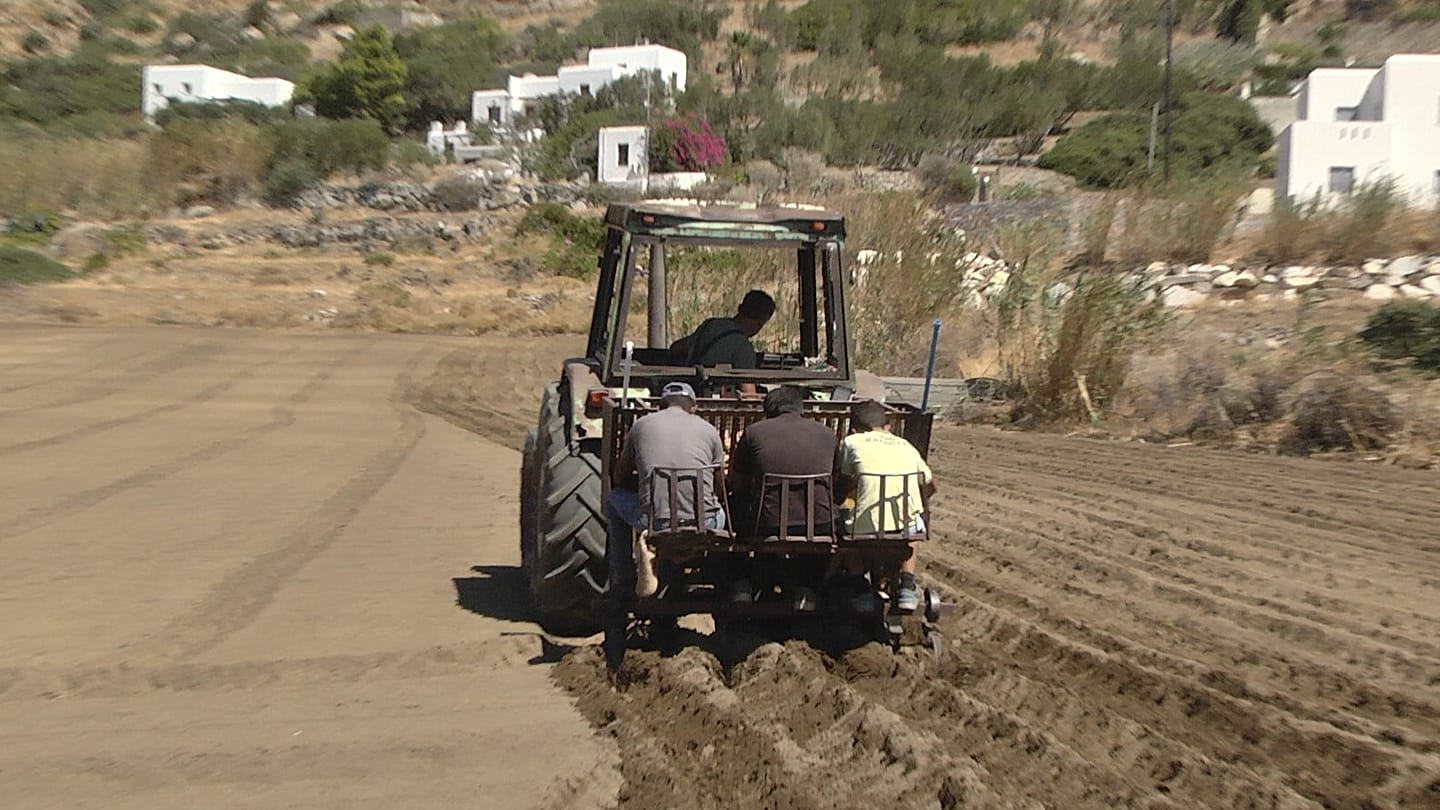
“We see trucks arriving with potatoes that have never seen Naxos soil,” says Dimitris Papadopoulos, a third-generation farmer in the village of Melanes. “They are cheaper, but they are not the same. People who taste the real thing know the difference.” Papadopoulos is one of a shrinking cohort of growers; the island’s agricultural cooperative has seen its membership drop by nearly a third over the past decade.
An ageing workforce and a vanishing way of life
The counterfeit problem is compounded by a deeper demographic crisis. Young Naxians are increasingly reluctant to take up farming, lured by better-paid, less physically demanding work in tourism, shipping, or the tech sector in Athens. The average age of the island’s farmers now exceeds 55, and many plots lie fallow or are being converted into holiday villas.
“My son works in a hotel in Chora,” says Maria Kontou, who grows potatoes on a small plot near the village of Filoti. “He says farming is for old people. He is not wrong—the margins are thin, and the bureaucracy is heavy.” The EU’s Common Agricultural Policy provides subsidies, but many young farmers find the paperwork daunting and the returns unpredictable, especially as climate change brings hotter summers and erratic rainfall.
The result is a paradox: a product with a global reputation and a premium price is struggling to find its next generation of custodians. While Naxos potato farmers fight to save a centuries-old crop, the island’s agricultural landscape is quietly shrinking.
Protection efforts and a fragile future
Greek authorities have stepped up inspections, and in 2023 they seized several tonnes of mislabelled potatoes in the port of Piraeus. But enforcement remains patchy, and the penalties for fraud are often too light to deter repeat offenders. The Naxos cooperative has launched a certification label with a QR code that consumers can scan to verify the origin, but adoption is still limited.
Some see a glimmer of hope in agritourism. A handful of farms now offer visitors the chance to dig for potatoes, cook traditional dishes, and learn about the island’s history. “We are not just selling a vegetable,” says Papadopoulos. “We are selling a story, a place, a way of life.” Yet such ventures remain niche, and they cannot replace the scale of commercial production that once made Naxos the breadbasket of the Cyclades.
The stakes extend beyond the island. Naxos potatoes are a cornerstone of Greek cuisine, featured in dishes from patatato to revithada, and they are a symbol of the country’s rich agricultural diversity. If the crop fades, it would be a loss not only for Naxos but for Europe’s broader commitment to protecting regional food heritage.
As the EU debates the future of its farm policy and trade agreements, the case of Naxos offers a cautionary tale. Protection on paper is not enough; it must be matched by investment in rural infrastructure, fair prices, and a genuine appeal to the next generation. Otherwise, the world-renowned Naxos potato may become a memory, a name on a label with no one left to grow it.