As the annual UN climate summit gets underway in Antalya, Türkiye, a 19-member delegation of US lawmakers is set to arrive with a dual mission: to signal that American climate leadership is not permanently off the table, and to probe for openings despite the current administration's hostility to multilateral environmental action.
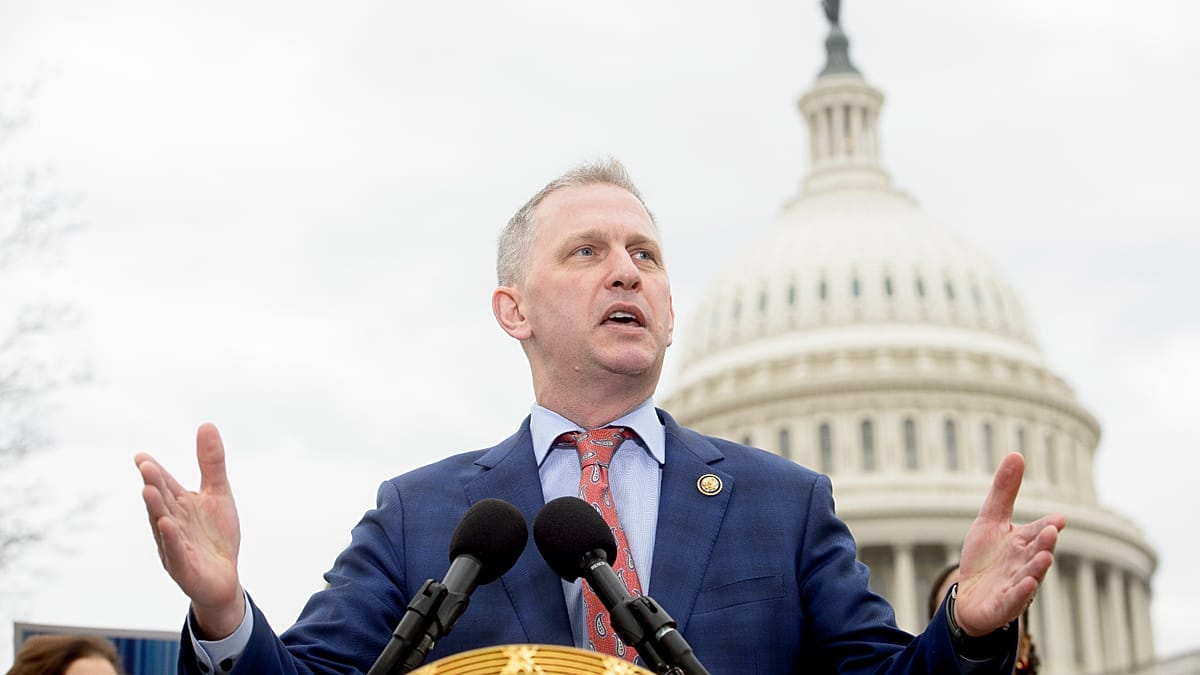
The delegation, announced Wednesday by Democratic Representative Sean Casten of Illinois, comes just days after his party secured a decisive victory in the US midterm elections. While the new Congress will not be seated until January, the political shift has already altered the tone of international climate diplomacy.
Casten acknowledged that the United States is not formally participating in the COP31 negotiations, following President Donald Trump's second withdrawal from the Paris Agreement. Yet he insisted the delegation would play an "important diplomatic function" during the two-week conference, which runs from 9 to 20 November.
"We will not, of course, be in the majority at that point, but we will be received with the understanding of what just happened," Casten told reporters on a conference call, referring to the midterm outcome.
Navigating a history of US climate ambivalence
The trip is organized by the Sustainable Energy and Environment Coalition (SEEC) Institute, a nonpartisan think tank. Its stated goal is to meet with policymakers, civil society groups, and business leaders to "explore opportunities for renewed US engagement on climate, energy, and economic policy."
Casten was careful to temper expectations, noting the United States' failure to ratify the 1997 Kyoto Protocol and its two exits from the Paris accord under Trump. "It's important not to be naive," he said, but added that there is "real value" in conveying to the world that "America has spoken" and that many challenges are shared.
He cited climate-induced migration, financial volatility linked to extreme weather, and the urgent need to decarbonize economies—especially in light of the ongoing Iran war, which has spiked energy prices globally.
The delegation will be joined by US state and local leaders under the "America is All In" coalition, underscoring that subnational actors remain committed to climate action even as the federal government steps back.
Domestic headwinds and potential openings
Back home, Trump has threatened to use his veto power, raising doubts about how much Democrats can achieve on climate even with control of both the House and Senate. But Casten pointed to two factors that could create unexpected common ground: Trump's tariffs, which raise the cost of solar panels and electric vehicles, and the Iran war, which is driving up gasoline prices.
"Those are the two biggest drivers of inflation right now," he said. Combined with the Republican Party's historical support for certain environmental policies—such as emissions trading and ozone layer protection—Casten said he is "cautiously optimistic that the margins will open up some opportunities."
For European observers, the US political shift could have direct implications. As Europe's energy bills and climate worries remain tied to transatlantic policy, any move by Washington to re-engage on climate would be welcomed in Brussels and other capitals.
The summit in Antalya is also a chance to highlight the human cost of inaction. A recent WHO report suggested that six climate measures could prevent 1.6 million deaths annually, a stark reminder of what is at stake.
While the US delegation's presence is largely symbolic, it signals that climate change remains a bipartisan concern at the state and local level—and that the door to renewed federal engagement may not be fully closed.