As climate change intensifies across Europe and beyond, the World Health Organization (WHO) has issued a stark reminder that the crisis is also a public health emergency. In a report published on Wednesday, the agency argues that a handful of targeted measures—many of them already available and affordable—could prevent 1.6 million premature deaths every year, roughly one in every 40 deaths worldwide.
The report arrives as European governments grapple with the dual pressures of energy security and climate commitments. With gas reserves at their lowest since 2011 and millions struggling to heat their homes, the WHO's call for cleaner fuels and more honest fossil fuel pricing carries particular weight in capitals from Berlin to Bucharest.
Six actions, one goal
The WHO's recommended package includes heat-health warning systems, climate-resilient drinking-water services, basic sanitation and handwashing facilities, cleaner household fuels and technologies, and more effective fossil fuel pricing policies. These interventions target a range of climate-related health risks, from extreme heat and air pollution to waterborne diseases and vector-borne infections.
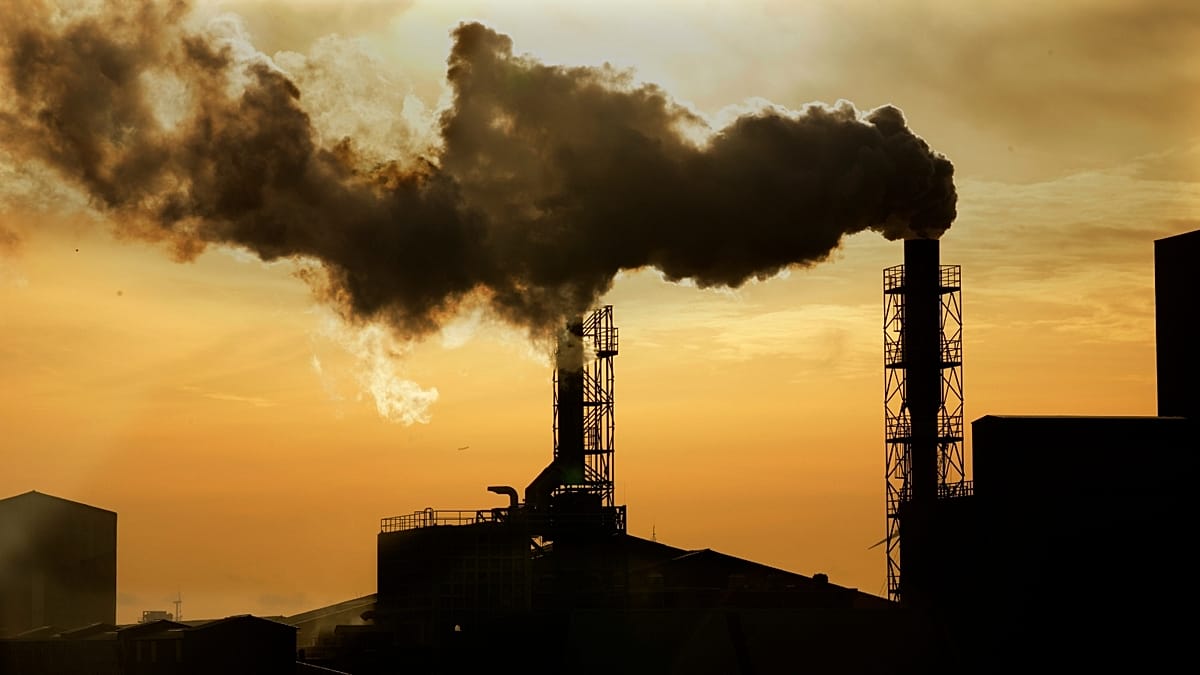
According to the report, scaling up these measures could prevent deaths from respiratory infections, stroke, ischaemic heart disease, lung cancer, and asthma. The largest gains would come from phasing out fossil fuels, which alone could avert more than one million premature deaths annually from non-communicable diseases and road traffic accidents, while generating US$5.4 trillion in fiscal benefits each year.
“The climate crisis is a health crisis, but much of the harm it causes can be prevented with tools we already have,” said Tedros Adhanom Ghebreyesus, WHO Director-General. “Scaling up proven, affordable actions could save millions of lives, with the greatest gains in the countries that need them most.”
The economic case is equally compelling. For every US$1 invested in the five non-fossil-fuel measures, the WHO estimates a return of US$24.8 in benefits, with even higher returns in low- and middle-income countries. That could help reduce health and economic inequalities both within Europe and globally.
Europe's role and challenges
European countries have already made strides in some areas, such as heat-health action plans in France and Italy, but gaps remain. The WHO's emphasis on climate-resilient water services is particularly relevant for southern Europe, where droughts and extreme weather are becoming more frequent. Meanwhile, the push for cleaner household fuels resonates in parts of Central and Eastern Europe, where solid fuel use persists.
The report also warns that without additional intervention, climate-related health risks such as undernutrition, malaria, diarrhoea, and heat stress could cause 250,000 premature deaths per year between 2030 and 2050. By 2050, an additional 500 million people could be exposed to disease-carrying vectors, a threat that extends to Europe as temperatures rise.
As governments prepare for the next round of climate negotiations, the WHO is urging them to put health at the centre of climate action. For European policymakers, that means not only meeting emissions targets but also investing in adaptation measures that protect the most vulnerable. The gap between climate knowledge and action remains a persistent challenge, as does ensuring that the transition to cleaner energy is equitable.
The WHO's message is clear: the tools to save lives and money are within reach. The question is whether governments will seize them.