The World Health Organization has given the green light to clinical trials for two experimental vaccines as health workers across several African nations struggle to contain an Ebola outbreak caused by a rare strain for which no licensed vaccine exists. The decision was announced on Wednesday by WHO Director-General Tedros Adhanom Ghebreyesus during a press conference in Geneva.
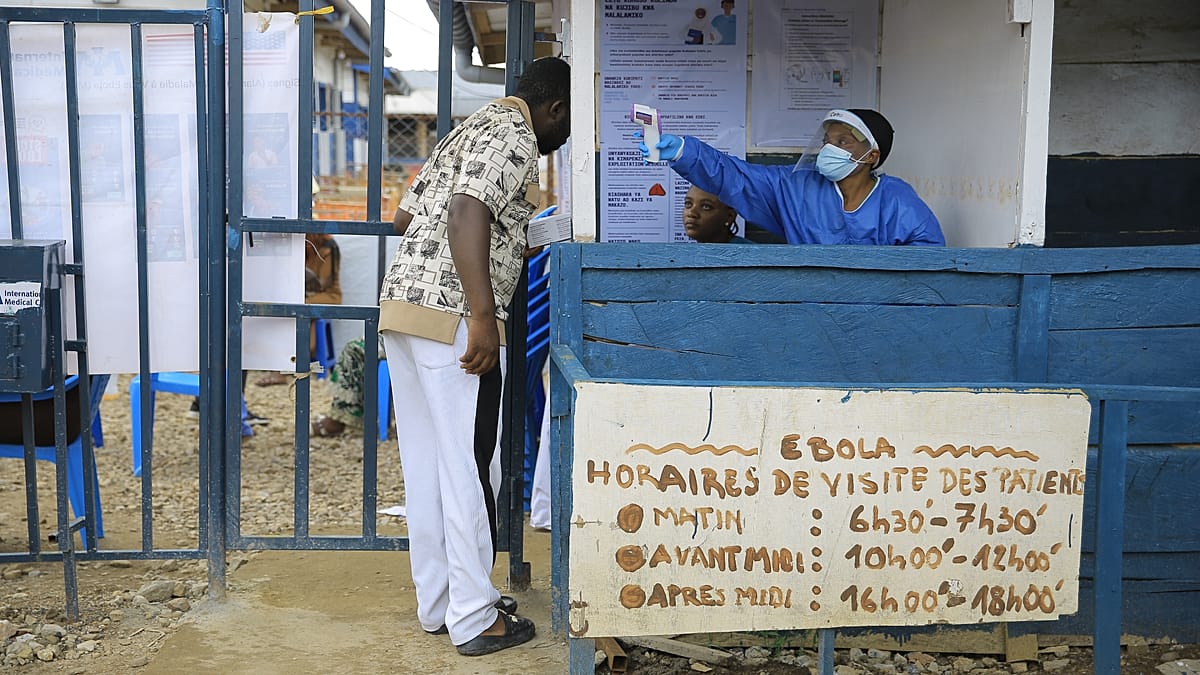
The outbreak, which began in the Democratic Republic of the Congo in May, has now infected more than 10,000 people and claimed over 5,300 lives, according to the latest figures from the DRC’s health ministry. The case fatality rate has exceeded 50 percent, making this the fastest-spreading and most geographically widespread Ebola epidemic ever recorded.
Targeting the Bundibugyo virus
The current epidemic is driven by the Bundibugyo virus, a less common Ebola variant that has never had an approved vaccine. The two new vaccine candidates, developed by the University of Oxford in partnership with the Serum Institute of India and by Moderna, have been recommended by WHO expert groups for inclusion in the ongoing trial.
The trial will be led by the DRC’s National Institute for Biomedical Research, with support from international partners, including the WHO. This marks a significant step in the fight against a pathogen that has proven particularly deadly in this outbreak.
“Vaccines are powerful tools, but they’re not substitutes for the proven measures that can save lives now,” Tedros cautioned, emphasizing the continued importance of early care, contact tracing, isolation, safe and dignified burials, and trusted engagement with local communities.
Regional spread and travel restrictions
While the DRC remains the epicenter, cases have also been reported in Kenya, Nigeria, and Uganda. In response, several countries, including Ghana and the United States, have imposed travel restrictions on arrivals from the DRC. The WHO chief condemned these measures, urging their immediate removal.
“We call on countries that have imposed travel restrictions to lift them. Such restrictions punish countries for doing the right thing, create disincentives for transparency and harm the response,” Tedros said. He reiterated that travel bans are not an effective primary public health tool during outbreaks.
The WHO’s stance aligns with its longstanding guidance, which has consistently advised against such measures since the outbreak began. The organization argues that restrictions often hinder the delivery of medical supplies and personnel, and can drive reporting underground.
The development of vaccines specifically targeting the Bundibugyo strain is a crucial advance. Previous Ebola vaccines, such as the one used in the 2014–2016 West Africa epidemic, were designed for the Zaire strain and are not effective against this variant.
As the trial gets underway, health officials are also focusing on strengthening community trust and ensuring that proven containment measures are fully implemented. The WHO has called for increased international solidarity and funding to support the response.
The outbreak has also highlighted the broader need for a robust global health framework. In a related development, the WHO chief has urged swift completion of the pandemic treaty to better prepare for future health emergencies.
Meanwhile, the situation in the DRC remains dire, with health workers facing immense challenges in remote and conflict-affected areas. The new vaccine trials offer a glimmer of hope, but as Tedros stressed, they are not a silver bullet. The immediate priority remains saving lives through proven public health measures.