For many travellers, the pre-trip ritual of poring over Instagram feeds, TikTok videos, and blog round-ups has become as much a part of the journey as the journey itself. But a recent survey found that two-thirds of travellers arrive at destinations that already feel familiar, thanks to the sheer volume of online content they've consumed. The Faroe Islands, an archipelago of 18 volcanic rocks in the North Atlantic, has a counter-proposal: get in a car, switch on the GPS, and let the islanders decide where you go.
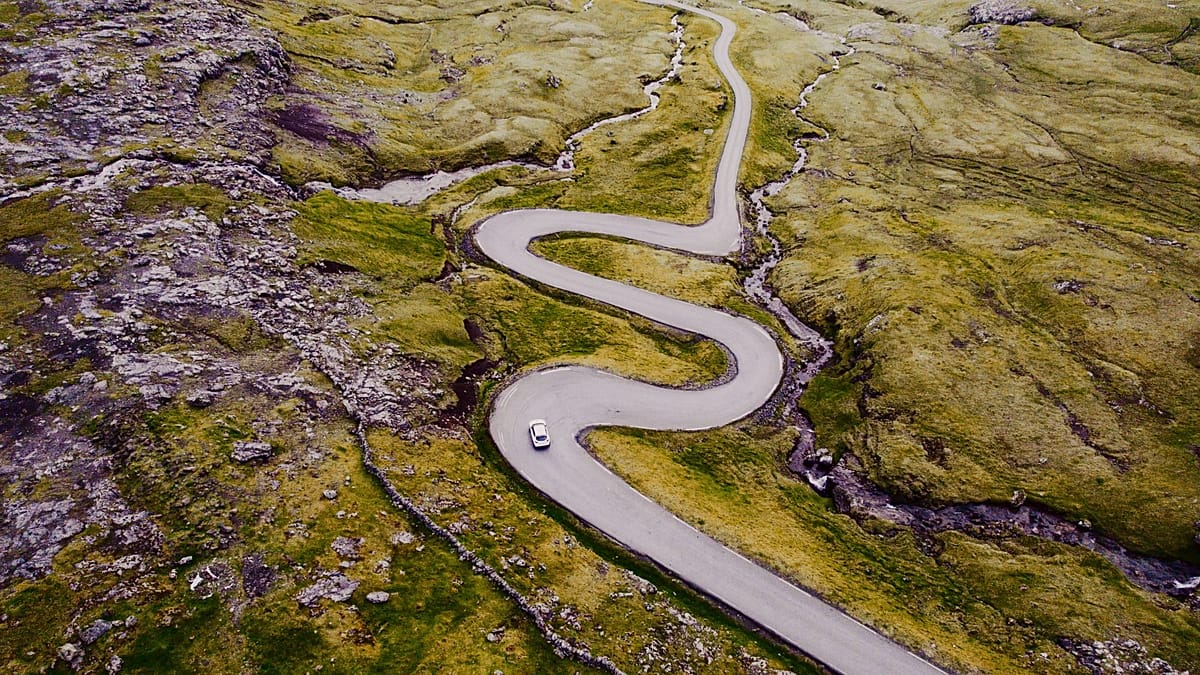
The self-navigating car adventures, first launched last summer, have just been expanded. Visitors are invited to drive between four and six landmarks over three to six hours, with each stop kept secret until arrival. The routes are curated by locals, and no two travellers receive the same itinerary at the same time, ensuring that even the most well-trodden paths feel personal.
“These routes are shaped by the people who live here, offering a more authentic perspective,” said Marta Káradóttir, content and communications manager at Visit Faroe Islands and the project's lead. “We’re really just asking travellers to let go of control for a moment. When you don’t know what’s around the next corner, you open yourself up to something completely different. Maybe something more beautiful. Maybe just more real.”
What the secret routes reveal
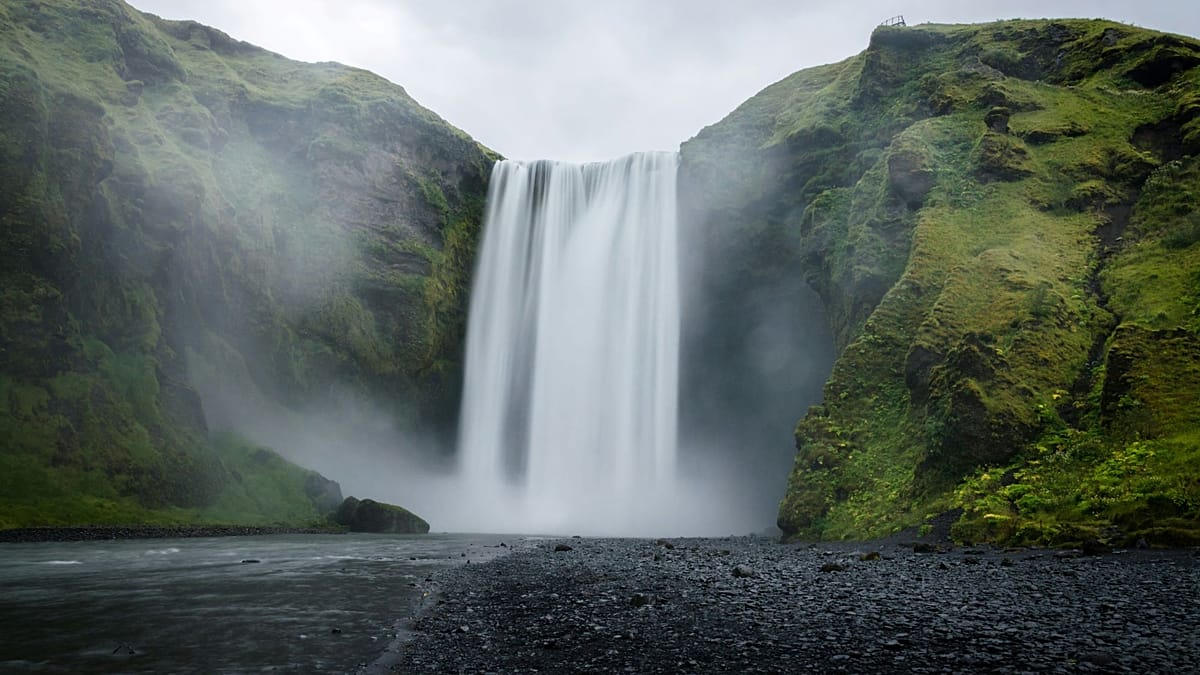
The original launch included 30 itineraries; 15 more have been added, along with extra potential pit stops on existing routes. Culturally, you might find yourself at Funningur Church, one of the oldest turf-roofed wooden churches in the Faroe Islands, or at Viðareiði Church, which offers views of one of Europe’s tallest sea cliffs. Nature lovers could be directed to hike among the fjords, reflect by Lake Funningsvatn, or take a dip in an outdoor pool in the remote village of Syðradalur.
The initiative taps into a broader trend of travellers seeking alternatives to algorithm-driven inspiration. While platforms like TikTok now shape the travel plans of nearly half of Gen Z Europeans, the Faroese approach deliberately removes the screen-based preview. You don't see the destination until you're standing in it.
For those who prefer a bit of structure, the islands still offer plenty of traditional sightseeing. But the self-navigating adventures are a reminder that sometimes the best travel moments come from surrendering to the unknown. As Káradóttir puts it, “When you don’t know what’s around the next corner, you open yourself up to something completely different.”
Getting to the Faroe Islands
The archipelago has a single airport, Vágar (FAE). National carrier Atlantic Airways operates year-round flights from Billund and Copenhagen in Denmark, Oslo, and Reykjavík, with seasonal connections from Barcelona, London Gatwick, and Paris Charles de Gaulle. Alternatively, the Smyril Line ferry from Hirtshals in northern Denmark takes around 30 hours, offering a slower, more scenic approach.
The expansion of the self-navigating programme comes as European destinations grapple with overtourism. While the Faroe Islands have so far avoided the worst of the crowds, the country has been proactive in managing visitor impact. The secret-route concept is a low-tech, high-imagination solution: it disperses travellers, supports local communities, and restores a sense of discovery.
For travellers weary of the over-planning that often accompanies modern trips, the Faroese experiment offers a refreshing alternative. It's not about abandoning preparation altogether—you still need to book a car and show up—but it is about leaving room for the unexpected. And in an age where every corner of the planet has been photographed, filtered, and geotagged, that might be the most valuable souvenir of all.