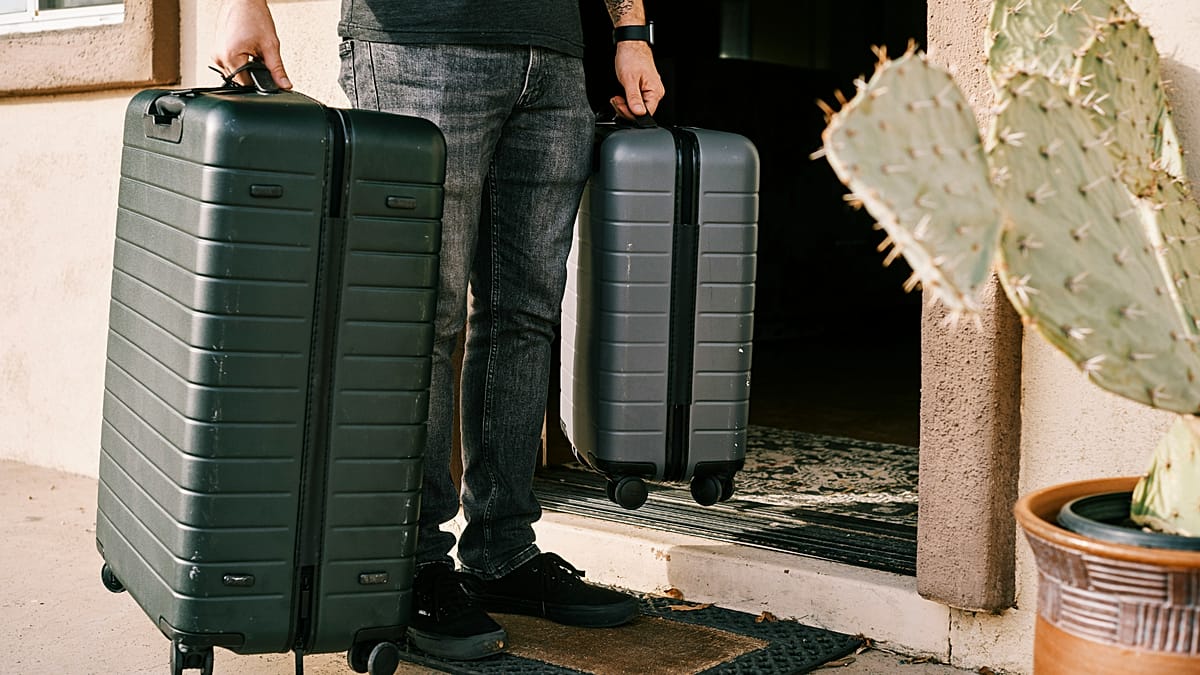
Travel is meant to be a pleasure, but for many it comes with a fair share of stress. A new survey from Global Rescue, a travel risk and crisis response firm, reveals that overpacking is still the most common self-inflicted error among international travellers.
The company's latest Traveller Sentiment and Safety survey found that 38% of experienced travellers now consider overpacking their worst mistake, up from 32% in 2025 and 35% in both 2024 and 2023. While the figure is far below the 74% recorded in February 2020, before the pandemic, it remains a persistent problem.
“Overpacking is the single most consistent preventable mistake we see, year after year,” said Dan Richards, CEO of The Global Rescue Companies. “It’s a habit that adds stress, weight and unnecessary complexity to every stage of a trip, when the real goal of travel should be freedom, flexibility and discovery.”
Beyond the inconvenience, heavy luggage can pose real risks. Richards noted that it “increases fatigue, reduces balance and raises the risk of falls, back strains and other orthopedic injuries while navigating airports, cruise terminals, cobblestone streets or rugged trails.” In emergencies, such as evacuations due to wildfires or civil unrest, bulky bags can slow travellers down or force them to abandon belongings altogether.
Other common mistakes
Overpacking is not the only pitfall. The survey also highlighted that 19% of respondents regretted booking excessively tight layover connections on international trips. Another 10% said they over-scheduled their itineraries with little buffer time, while 8% admitted to not downloading offline maps or digital booking documents before departure. A further 8% regretted exchanging currency at airport kiosks, where rates are often poor.
Travel hacks that work
Frequent travellers shared their top hacks to make trips smoother. The most popular, cited by 31%, is placing smart tags in checked luggage to track it in real time. Another 16% email digital copies of their passports and ID to themselves as a backup.
For packing, 10% use compression packing cubes, and another 10% roll their clothes instead of folding them. A multi-port wall charger is favoured by 9% to save space, while 7% bring an empty reusable water bottle through security to cut costs and plastic waste. Finally, 6% download entertainment before departure to avoid relying on unreliable in-flight Wi-Fi.
These insights come as Europe continues to dominate global leisure travel spending, with travellers across the continent seeking ways to reduce stress and enhance their experiences. For those planning trips, smart autumn travel strategies can also help cut costs on flights and hotels.
As travel rebounds, the message from seasoned globetrotters is clear: pack light, plan for the unexpected, and embrace the freedom that comes with a well-prepared journey.