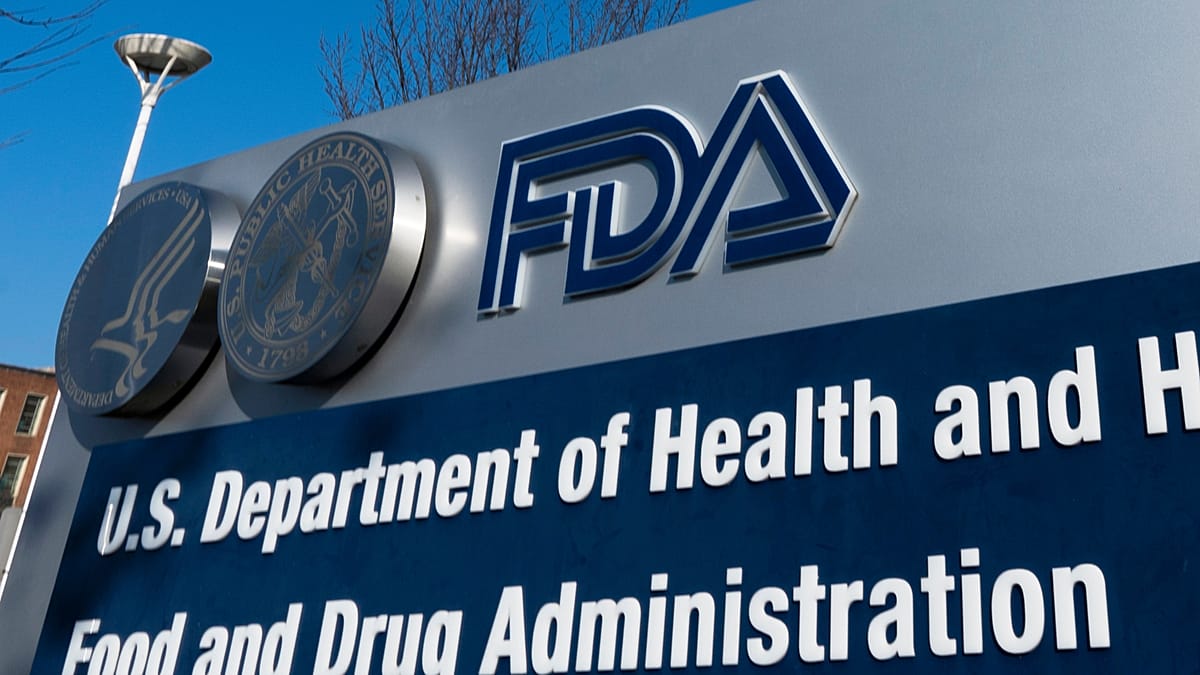
The US Food and Drug Administration (FDA) has instructed manufacturers of GLP-1 receptor agonists to update their safety labels, adding a warning about a rare but serious eye condition that can lead to permanent vision loss. The decision, announced on Monday, affects a class of medicines that has become central to the treatment of type 2 diabetes and obesity across the globe, including in Europe.
The condition in question is non-arteritic anterior ischaemic optic neuropathy (NAION), which causes sudden, painless loss of vision in one eye. While rare, the FDA's review concluded that the potential risk warranted additional warnings across the entire drug class, which includes popular treatments such as Novo Nordisk's Ozempic and Wegovy, and Eli Lilly's Mounjaro and Zepbound.
What the FDA review found
The agency's assessment drew on an analysis of 126 clinical trials involving more than 134,000 patients, supplemented by real-world data and published observational studies. Although the FDA acknowledged limitations in the available evidence, it determined that the potential increased risk of NAION was significant enough to require label changes.
This move adds to the growing safety scrutiny surrounding GLP-1 drugs, which have exploded in popularity as treatments for obesity and diabetes. In Europe, where these medicines are also widely prescribed, health authorities are expected to review the FDA's findings and consider similar actions.
European regulators, including the European Medicines Agency (EMA), have previously monitored the safety of GLP-1 drugs, particularly regarding gastrointestinal side effects and potential thyroid tumours. The new US warning could prompt a coordinated European response, especially given the high uptake of these drugs in countries like Germany, France, and the UK.
For patients and physicians in Europe, the news underscores the importance of weighing benefits against risks. While NAION is rare, the potential for permanent vision loss is a serious concern. The FDA's decision may lead to more cautious prescribing, particularly for patients with other risk factors such as high blood pressure or sleep apnoea.
The pharmaceutical companies behind these drugs have not yet commented on the FDA's announcement. However, they are likely to face pressure from European regulators to update their own labelling and provide clearer guidance to doctors.
This development comes at a time when the European Union is tightening oversight of health products, as seen in recent actions on medical devices and pharmaceuticals. The EU's regulatory assertiveness extends beyond tech platforms, and health safety is a priority.
For now, European patients using GLP-1 drugs should not panic but should be aware of the potential risk. The FDA's warning is a precautionary measure, and the absolute risk remains low. Nevertheless, it is a reminder that even widely used medicines can have rare but serious side effects.
As the story develops, European Pulse will continue to monitor how European regulators respond and whether they adopt similar label changes. The implications for public health and the pharmaceutical industry are significant, given the billions of euros in sales these drugs generate annually.