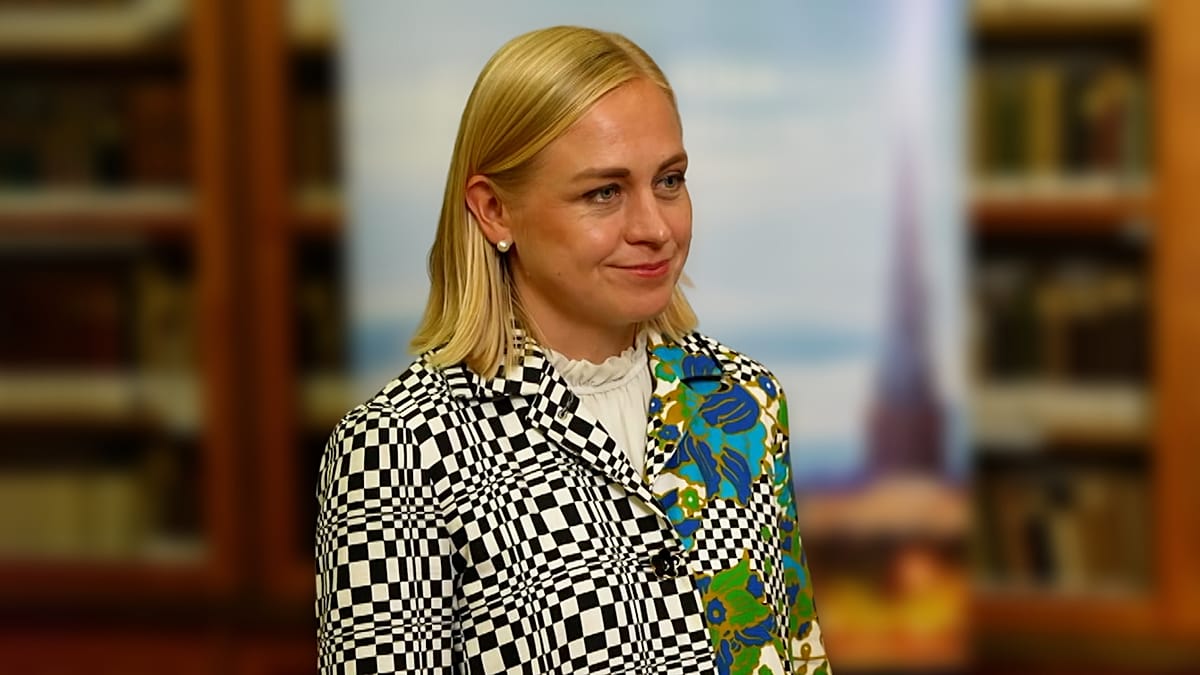
Finland's Foreign Minister Elina Valtonen has said that Moscow is pleased with the recent electoral success of the far-right Alternative for Germany (AfD) in the eastern state of Saxony-Anhalt. Speaking to reporters in Helsinki, Valtonen argued that the Kremlin views the result as a vindication of its efforts to sow division within European democracies.
Valtonen, a former banker who has led Finland's diplomacy since 2023, stressed that the AfD's performance cannot be explained away simply as the product of foreign interference. To do so, she said, would be “totally unwise and untrue.” Instead, she pointed to a more complex picture in which genuine public grievances intersect with targeted manipulation.
Disinformation as an amplifier, not a cause
“There are true concerns of people behind the result,” Valtonen said, acknowledging that voters in Saxony-Anhalt had legitimate reasons to express dissatisfaction with established parties. She insisted that it is “important to respect” the democratic outcome, even if the winning party's platform is at odds with mainstream European values.
At the same time, the Finnish minister argued that Russian disinformation campaigns have played a significant role in magnifying those concerns. “They take dissatisfaction in society and amplify it to drive people against each other,” she said, describing a pattern that extends beyond Germany to other parts of the continent.
Her remarks come amid growing alarm in European capitals about the Kremlin's use of social media, fake news sites, and proxy actors to influence elections and public opinion. Germany has been a particular focus, with intelligence services warning of increased hybrid threats ahead of next year's federal elections.
Valtonen's assessment aligns with a broader European debate about how to respond to such interference without dismissing the legitimate frustrations of voters. As Germany's hybrid threat response evolves, officials are grappling with the challenge of defending democratic processes while avoiding the trap of labeling all dissent as foreign manipulation.
European solidarity and the Finnish perspective
Finland, which shares a long border with Russia and joined NATO in 2023, has been at the forefront of efforts to counter Moscow's influence operations. Valtonen's comments reflect a broader Nordic-Baltic consensus that Russian meddling is a persistent threat, even as some Western European leaders downplay its significance.
The AfD's gains have also reverberated beyond Germany, exposing rifts within Italy's governing right and prompting debates in Paris and Warsaw about how to respond to the rise of populist parties. For Valtonen, the lesson is clear: Europe must address the underlying causes of discontent while remaining vigilant against external efforts to exploit them.
She also noted that the fight against disinformation is not just a matter of cybersecurity but of societal resilience. “We need to strengthen our own democracies, our media literacy, and our institutions,” she said, calling for a coordinated European approach.
Valtonen's remarks come as Finland prepares to host a major investment in data infrastructure, with Google committing €13 billion to Finnish data centres—a sign that the country remains open to international partnerships even as it hardens its stance against Russian aggression.
The Finnish minister's comments also echo concerns raised by other European leaders about the need to defend democratic norms without resorting to censorship. As the continent faces a complex array of threats, from Moscow's enduring role in Europe's fusion project to the challenges of Germany's drone gap, the debate over how to counter disinformation is likely to intensify.
For now, Valtonen's message is one of cautious realism: acknowledge the democratic will of voters, but do not ignore the hand of Moscow in shaping it. “We must be honest about what is happening,” she said, “and we must be prepared to act.”