As 2027 approaches, travel experts are refining their predictions for how Europeans and others will explore the continent. While earlier forecasts focused on 'holidaymaxxing'—cramming as much as possible into a single trip—a new report suggests that approach is fading. Instead, travellers are embracing spontaneity and a slower pace, according to GetYourGuide's annual Hidden Trends report.
The online platform surveyed 10,157 people across seven markets, including France, Spain, Italy, Germany, and the UK, and analysed millions of bookings. The findings reveal that 78% of respondents believe a truly restorative holiday means ditching the schedule. Nearly one in three say they leave their smartwatches at home, using technology mainly for planning (56%) and then switching off completely while away.
Anne Wallin, Global Trends and Experiences expert at GetYourGuide, explains that travellers aren't planning less, but planning differently. "Eight in 10 want a holiday free from a schedule, so instead of cramming in a must-see list, they're choosing a few experiences to go deep on," she says. "Our Hidden Trends points to a shift away from optimisation culture to a deeper and more meaningful travel experience."
The five hidden trends
The report identifies five new traveller archetypes that could redefine travel in 2027. Here's a closer look at each.
The Scentualists
Forget postcards and fridge magnets—travellers are increasingly seeking to bottle their holiday memories through scent. According to the report, 56% of respondents would pay for scent-based experiences such as perfume masterclasses or guided workshops. This trend is especially popular among Gen Z (69%) and Millennials (65%).
The power of smell is significant: 77% say a single scent can transport them back to a past holiday. Booking data supports this, with scent-related experiences surging 114% year-on-year. From Grasse in France to niche perfumeries in Florence, scent tourism is becoming a serious niche.
The Fermentors
In an era of constant connectivity, patience is becoming a luxury. The report finds that 72% of respondents are fascinated by watching food made from scratch, whether it's crafting kombucha or attending a kimchi cooking class. A further 71% say understanding the origins of food adds deeper value to their travels.
Among Millennials, 58% have booked getaways specifically to experience local food production. Booking data shows that balsamic and vinegar production workshops have climbed 73% year-on-year, reflecting a broader interest in Europe's food industry and its artisanal traditions.
The Detourists
This trend involves visiting world-famous destinations but deliberately avoiding the main tourist spots in favour of lesser-known neighbourhoods. The report reveals that 61% of respondents are more likely to seek out such areas compared to five years ago, with Gen Z (72%) and Millennials (69%) leading the charge.
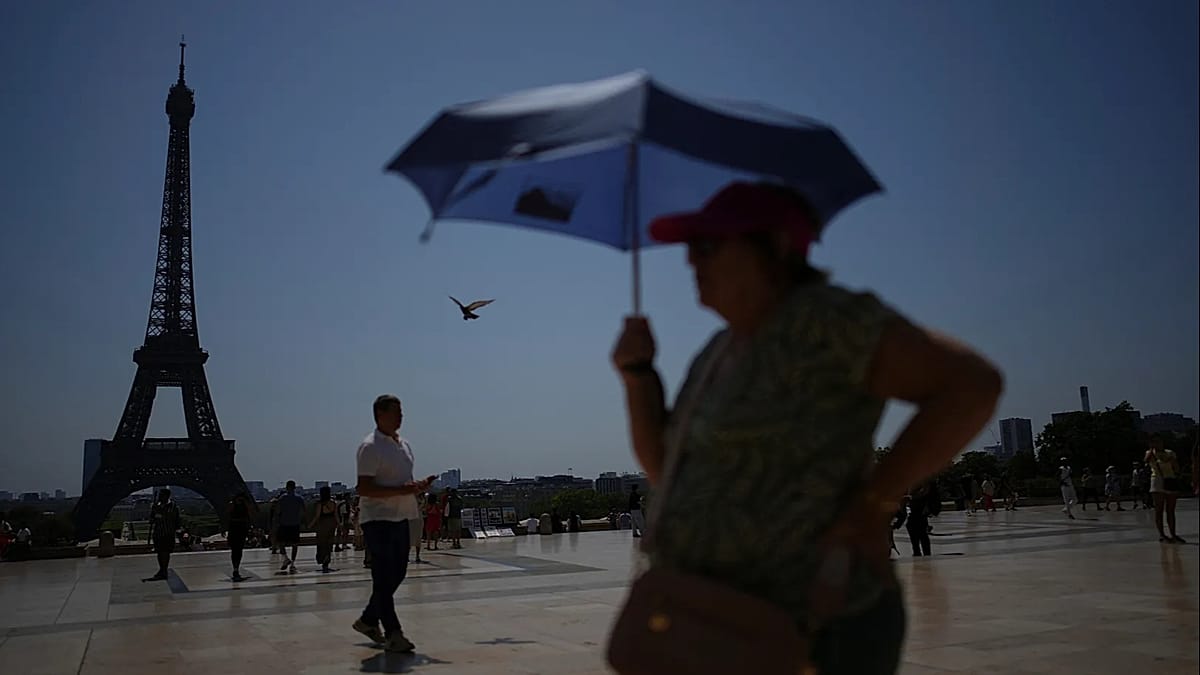
Instead of queuing at the Eiffel Tower, detourists might explore the Canal Saint-Martin in Paris or the hipster districts of Berlin's Neukölln. This aligns with broader advice on visiting Europe's crowded hotspots at less busy times, allowing for a more authentic experience.
The Players
For a generation raised on online gaming, the next travel activity might be decidedly analogue. 62% of respondents say they would consider learning a local game while on holiday, and this rises to 78% among Gen Z. From backgammon in Greek tavernas to traditional card games in Spanish bars, travellers are seeking out the "analogue version" of digital play to connect with local cultures.
The Pollinators
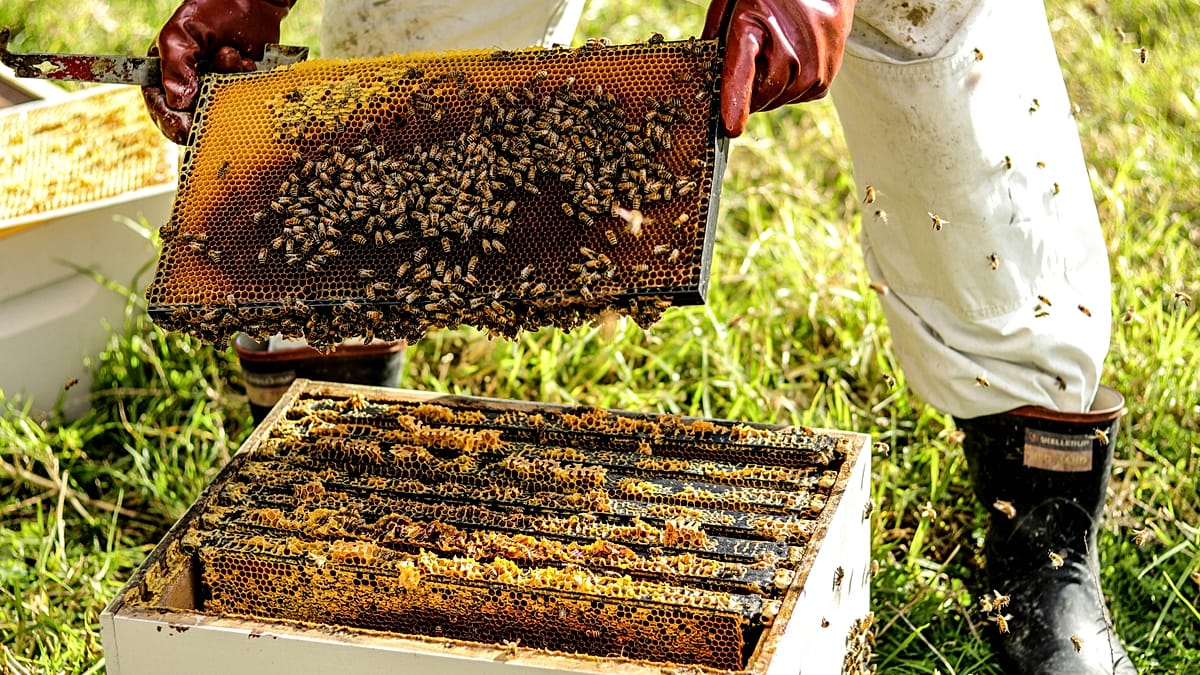
Beekeeping is emerging as a surprising travel draw. "Pollinator tourism" is moving from niche to mainstream, with GetYourGuide's booking data showing a 65% year-on-year increase in such experiences. Half of all respondents say they would consider beekeeping while on holiday.
From urban apiaries in Copenhagen to rural bee farms in Slovenia, these experiences offer a hands-on way to slow down and appreciate nature. As Europe's 2027 travel hotspots are being identified, beekeeping could become a staple of sustainable tourism.
These trends reflect a broader shift towards meaningful, immersive travel. Whether it's learning a local game in Lisbon or bottling the scent of a Provençal market, travellers in 2027 will be seeking experiences that engage all the senses and leave them with more than just photographs.