Twenty-five years after the attacks of September 11, 2001, the former United States ambassador to the European Union, Anthony Gardner, has argued that defeating terrorism requires more than military might. In remarks marking the anniversary, Gardner stressed that a comprehensive response must include diplomatic, financial, and economic measures.
Speaking to European Pulse, Gardner reflected on the lessons of 9/11, which he said demonstrated the devastating impact of asymmetric warfare. "A small but determined radicalised group of terrorists can inflict enormous damage on a much bigger power," he noted, pointing to the ability of non-state actors to challenge established states.
Gardner, who served as ambassador to the EU from 2014 to 2017, emphasised that the fight against terrorism cannot be won on the battlefield alone. "Military force is necessary but not sufficient," he said. "We need to cut off financing, disrupt recruitment, and use diplomacy to address the underlying grievances that extremists exploit."
AI and the future of asymmetric threats
Looking ahead, Gardner warned that artificial intelligence is set to make asymmetric warfare even more relevant. "AI is going to amplify the capabilities of small groups, enabling them to conduct cyberattacks, spread disinformation, and coordinate operations with unprecedented efficiency," he explained.
This concern resonates across Europe, where governments are already grappling with the security implications of AI. From disinformation campaigns targeting NATO allies to the use of AI in hybrid warfare, the continent faces new and evolving threats.
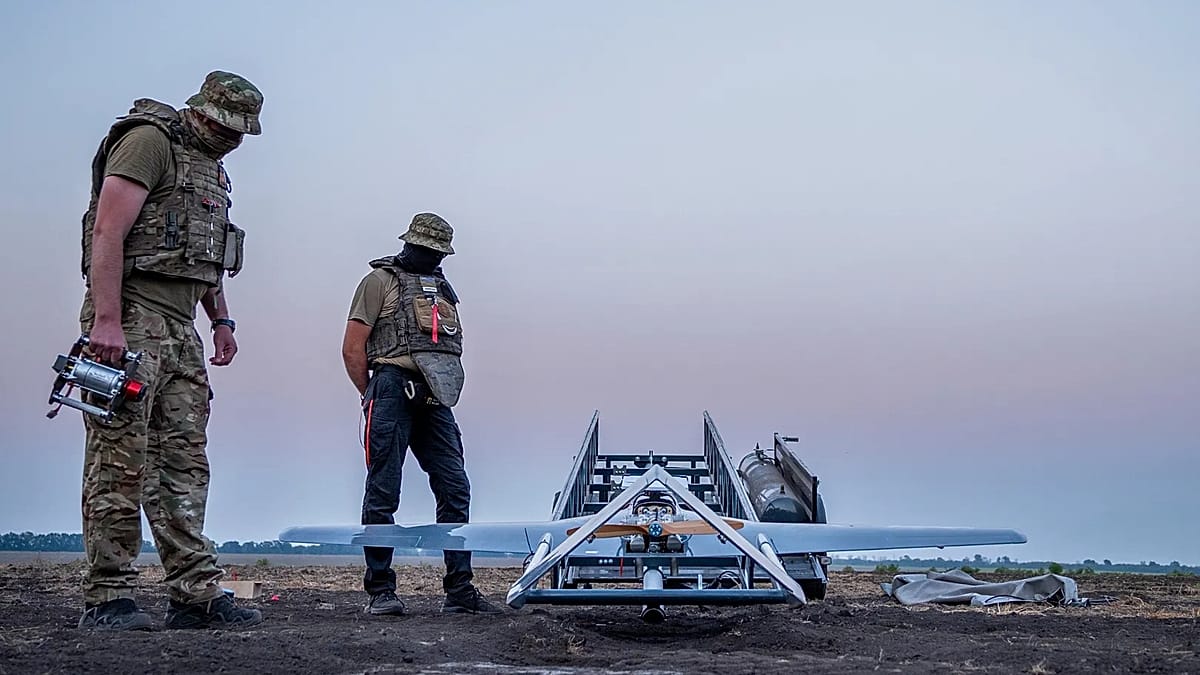
Gardner's comments come at a time when European security is under strain. The ongoing conflict in Ukraine has highlighted the importance of resilience against both conventional and unconventional attacks. As fighting resumes across Ukraine, European leaders are increasingly focused on strengthening their defenses against a range of threats, including terrorism.
The former ambassador also pointed to the need for closer transatlantic cooperation. "The United States and Europe must work together, sharing intelligence and coordinating our legal and financial tools," he said. "Terrorism is a global challenge that requires a global response."
Gardner's remarks echo broader debates within the EU about how to balance security with civil liberties. In recent years, the bloc has adopted measures to combat terrorist financing and online radicalisation, but questions remain about their effectiveness and implementation.
As the anniversary of 9/11 prompts reflection, Gardner's message is clear: the fight against terrorism is not over, and the tools must evolve. "We cannot afford to rely solely on military force," he concluded. "We need a smart, comprehensive strategy that addresses the root causes and leverages every instrument at our disposal."