Rome has demanded answers from Israel after four Italian women were detained by the Israeli Defence Forces (IDF) in the West Bank village of al-Bweib, south of Hebron, on Thursday. The women were part of a group of international volunteers accompanying Palestinian farmers during the olive harvest, a season that has become increasingly fraught with violence and political tension.
Italy's Foreign Ministry confirmed the detentions and said its embassy in Tel Aviv and consulate general in Jerusalem had been in contact with Israeli authorities. "As soon as they were informed of what had happened, the Italian Embassy in Tel Aviv and the Consulate General of Italy in Jerusalem got in touch with the Israeli authorities, requesting urgent clarification about the circumstances of the detention and about the situation of the Italian nationals," the ministry said in a statement. It added that the women were being held at a police station.
The arrests come a day after two other Italian citizens, Manuel and Alberto Tartarotti, were expelled from Israel following a similar incident. The Tartarotti brothers had been detained while working with Palestinian farmers and were subsequently deported, a move that has drawn criticism from human rights groups and Italian politicians.
A harvest overshadowed by settler violence
This year's olive harvest has been marked by escalating confrontations between Israeli settlers and Palestinian villagers. Farmers, often accompanied by international volunteers, have faced harassment, theft of crops, and physical attacks. The presence of foreign activists is intended to provide a protective buffer and document abuses, but it has also made them a target.
On Wednesday, a large-scale IDF operation resulted in the detention of around 90 volunteers, including Brad Lander, a Democratic candidate for the United States Congress. Lander was later released along with dozens of others, but under strict restrictions on their movements. The operation was described by the Israeli military as a response to "the security risk posed by conducting an uncoordinated harvest near an Israeli community."
The IDF also accused the activists of provocation, stating that "the arrival of dozens of activists as an act intended solely to provoke, which undermines the harvesting process." This framing has been rejected by Palestinian farmers and international observers, who argue that the harvest is a longstanding practice and that the real threat comes from settler violence.
The situation in the West Bank has drawn increasing attention from European capitals. Earlier this month, a settler attack on EU diplomats prompted Belgium to call for sanctions against those responsible. The incident underscored the growing concern among European governments about the deteriorating security situation and the impunity enjoyed by violent settlers.
Italy's intervention reflects a broader European unease. The Foreign Ministry's statement emphasized the need for "urgent clarification" and the protection of its citizens, but it also highlighted the wider implications for international law and human rights in the occupied territories.
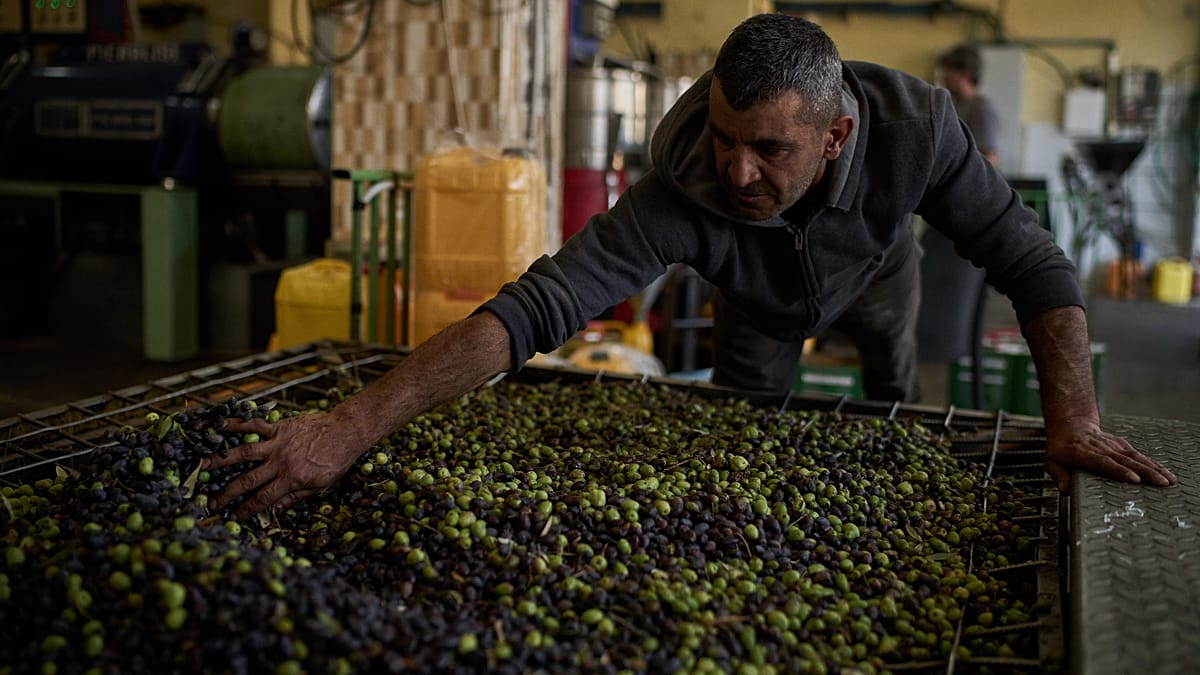
For the Palestinian farmers of al-Bweib, the olive harvest is not just an economic activity but a symbol of their connection to the land. The presence of international volunteers has become a lifeline, but also a flashpoint. As the harvest continues, the risk of further detentions and violence remains high.
The Italian government has not yet indicated whether it will take further diplomatic steps, but the incident is likely to add to the pressure on Israel from European Union member states. The EU has repeatedly called for restraint and respect for international humanitarian law, but has struggled to translate those words into concrete action.
For now, the four Italian women remain in police custody, and their families await news. The Tartarotti brothers, expelled and back in Italy, have spoken of their ordeal, describing a climate of fear and intimidation. Their case has become a rallying point for activists and politicians who see the detentions as part of a broader pattern of suppressing peaceful protest and solidarity work.
As the olive harvest continues, the eyes of Europe are on the West Bank. The detentions have not only strained bilateral relations between Italy and Israel but have also highlighted the fragility of the situation on the ground. Whether this latest incident will prompt a stronger European response remains to be seen, but the stakes are clear: the right to harvest one's own land, in peace, is a fundamental one.