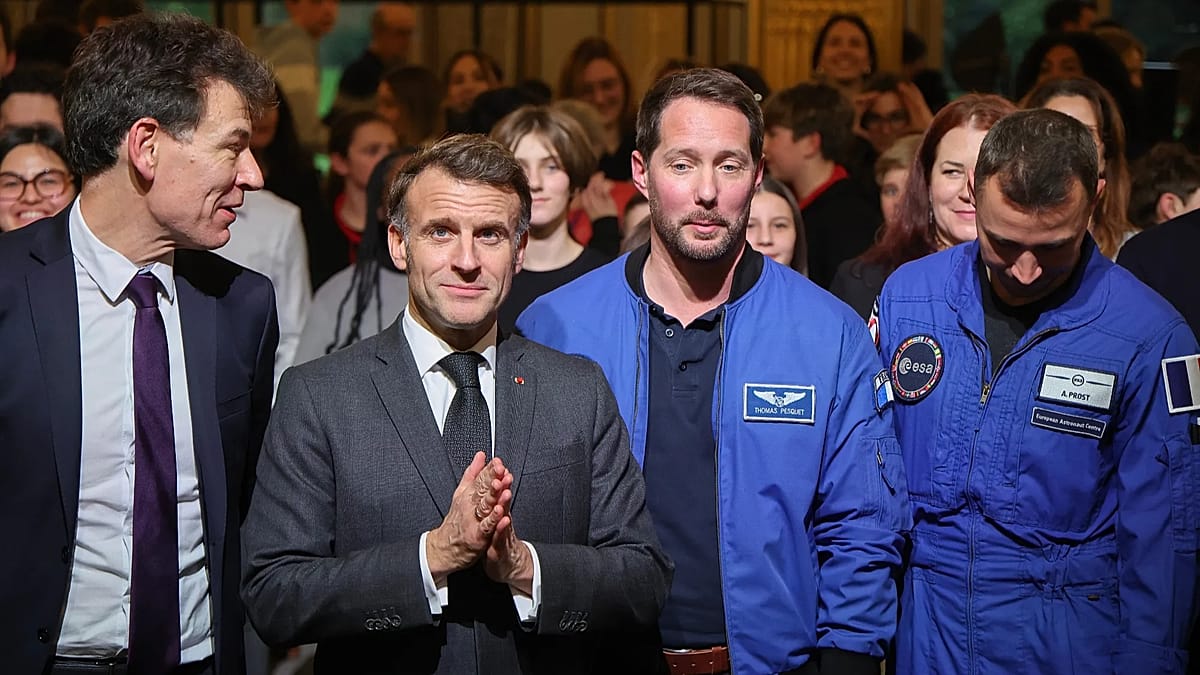
Astronauts, heads of state, and leading space industry figures gather in Paris this week for an international space summit co-hosted by France and Germany. The two-day event at the Grand Palais comes at a pivotal moment for Europe's space ambitions, as the continent seeks to assert itself as a global power in orbit.
Several US companies, including SpaceX, Blue Origin, Stoke Space, and Starcloud, have pulled out of the summit. According to a report by Politico, a White House official warned them that attendance "could look like tacit support for EU policy positions." A spokesperson for France's Ministry of Higher Education and Research told AFP that the withdrawals were likely linked to those reported pressures.
The summit was announced by President Emmanuel Macron in October 2025 as an opportunity to "bring Europeans together around a common ambition" and to craft a "shared vision of Europe's place on the map of global space powers by 2035." The Élysée has said the agenda will focus on international cooperation and strengthening space security.
Europe's space ambitions
Europe has long trailed the United States in space investment, historically allocating just 0.07% of GDP to space programmes compared with 0.24% in the US. But 2025 marked a turning point: the European Space Agency (ESA) approved a record €22.3 billion budget for its 2026–2028 funding cycle in November, with an additional €35 billion earmarked for space security and defence.
Lunar mining is emerging as a potential avenue for securing critical raw materials and clean-energy resources, as Europe seeks to reduce dependencies on China and Russia. The continent is also developing its own launch capabilities, exemplified by the Ariane 6 rocket and the recent success of German startup Isar Aerospace, which launched the first commercial rocket to reach orbit from mainland Europe on Saturday. Chancellor Friedrich Merz called it "the beginning of a new era."
Despite the shared stage, France and Germany have notable differences. Merz confirmed on Friday he would not attend the summit due to domestic commitments, sending Defence Minister Boris Pistorius and Space Minister Dorothee Bär instead. The two countries have also clashed over defence projects, notably abandoning the Future Combat Air System (FCAS) in June 2026 after years of disagreements.
Macron has consistently championed strategic autonomy, backing European programmes like Ariane 6 over reliance on US providers such as Elon Musk's SpaceX. Germany, by contrast, has shown more openness to lower-cost US alternatives. This divergence reflects broader debates within Europe about how to balance transatlantic ties with self-reliance.
Hermann Ludwig Moeller, director of the European Space Policy Institute, told Euronews that France is a "driving force" in Europe's space sector, providing "strong political support" to the industry. He stressed that "the relevance of space is only increasing," noting that it is "increasingly becoming a war fighting domain" while conflicts become more hybrid in nature, targeting critical infrastructure in transport, energy, and digital systems. Space technologies, he said, can provide increased resilience.
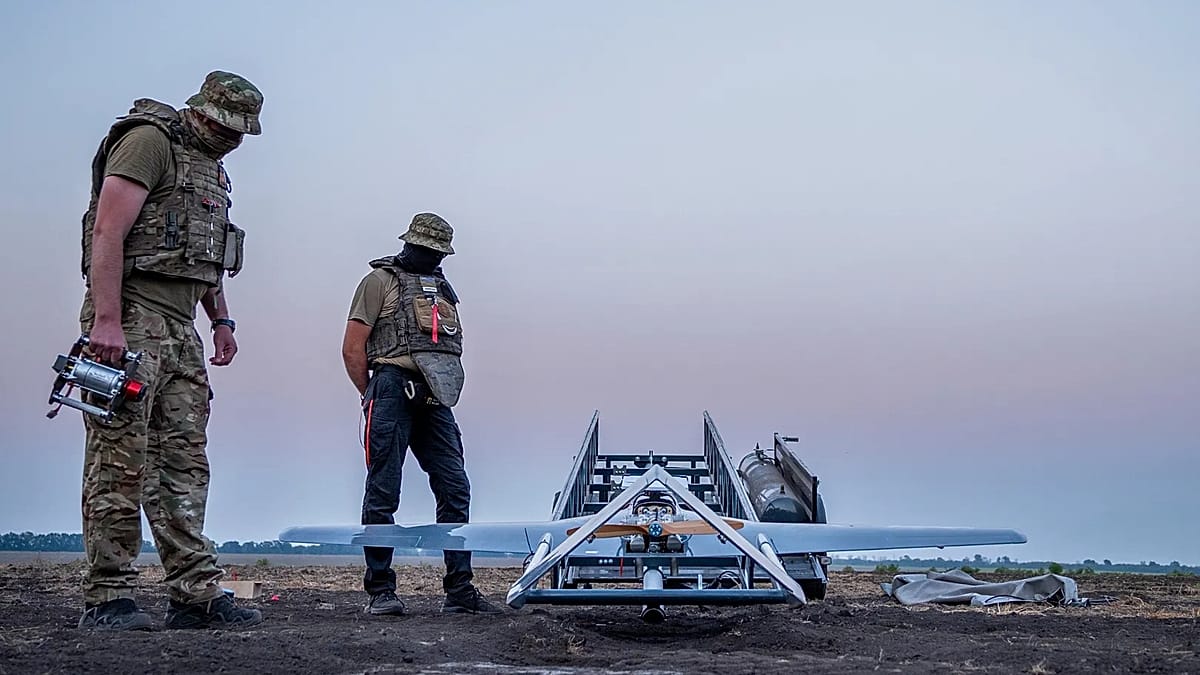
Satellite navigation and communications are essential to daily life, but the war in Ukraine has highlighted their strategic importance in modern warfare. Kyiv's reliance on Starlink after Russia's full-scale invasion demonstrated how satellite networks can maintain connectivity when ground infrastructure is damaged or destroyed.
The summit is a test of Europe's ability to forge a common space policy amid geopolitical pressures and internal frictions. As the continent navigates this strategic crossroads, the outcomes in Paris could shape its role in the global space arena for decades to come.