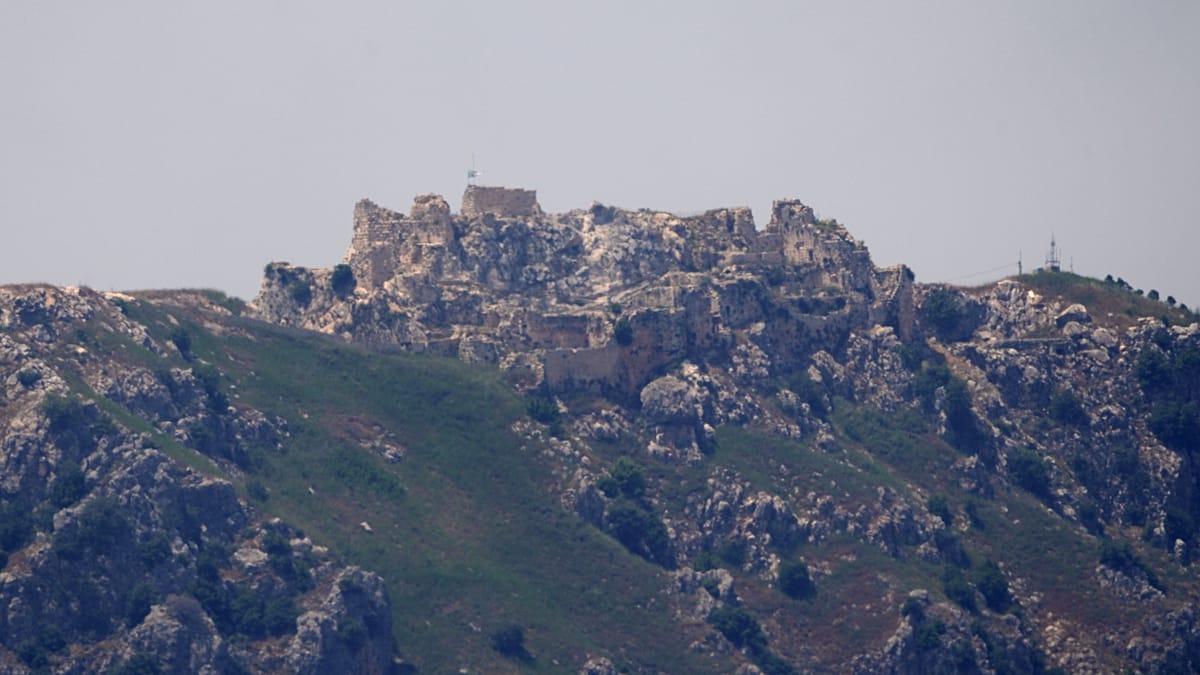
Israeli forces have seized the historic Beaufort Castle in southern Lebanon, a strategic hilltop fortress that has become a symbol of the escalating conflict between Israel and Hezbollah. The capture, which occurred overnight from Saturday to Sunday, represents the deepest Israeli ground incursion into Lebanese territory in more than a quarter of a century.
The medieval castle, located near the city of Nabatiyeh, was taken after days of intense air strikes and ground fighting in surrounding villages. Israeli troops have raised their flag over the fortress, a move that has drawn sharp condemnation from Paris.
France Calls for Emergency UN Security Council Meeting
French Foreign Minister Jean-Noël Barrot announced on Sunday that he had requested an emergency meeting of the United Nations Security Council. Speaking to BFMTV, Barrot said: "I have requested an emergency meeting of the United Nations Security Council because, while recognising Israel's right, like that of all countries, to self-defence... nothing can justify the continuation of Israeli military operations in Lebanon and its ever deeper occupation of Lebanese territory."
The French government has been a vocal critic of Israel's expanding operations in Lebanon, which have intensified despite a nominal ceasefire in place since 17 April. The latest developments come just days before scheduled direct talks between Lebanon and Israel, set to take place at the US State Department on 2 and 3 June.
Paris has also been active in pushing for broader EU measures, including restrictions on trade with Israeli settlements, a stance that aligns with Sweden's position within the bloc.
Netanyahu Hails 'Dramatic Turning Point'
Israeli Prime Minister Benjamin Netanyahu described the capture of Beaufort Castle as a "dramatic turning point" in the campaign against Hezbollah. In a video statement, he said: "Today we have returned to Beaufort in a different way. We have returned united, determined and stronger than ever."
Netanyahu added: "The capture of Beaufort is a dramatic phase and a dramatic turning point in the policy we are pursuing. We have broken the barrier of fear. We are seizing the initiative, we are operating on all fronts: in Syria, in Gaza, in Lebanon."
The Israeli army's Arabic-language spokesperson, Avichay Adraee, posted a photograph on X showing troops outside the castle, while Defence Minister Israel Katz confirmed that an Israeli flag had been hoisted over the structure. Israeli forces previously held the castle from 1982 until their withdrawal from Lebanon in 2000.
Ground Operations Expand Beyond the Litani River
The Israeli army stated that it had launched an operation on the Beaufort ridge and in the Suluki valley several days ago, aiming to dismantle Hezbollah's infrastructure and remove threats to Israeli civilians. The military said it was prepared "to expand the operation if necessary."
In recent days, Israeli troops have pushed beyond the Litani River, which had previously served as a de facto border, and have designated the area from the Litani to the Zahrani River as a combat zone. Residents of Nabatiyeh and the coastal city of Tyre, Lebanon's fourth-largest city, have been urged to evacuate. Tyre has already suffered significant damage from Israeli strikes, with a strike near Hiram hospital wounding 13 staff members, according to the Lebanese Health Ministry.
Hezbollah has continued to mount resistance, claiming responsibility for attacks on Israeli troops and a Merkava tank near the border town of Bayada. The group has also fired salvos of rockets into northern Israel, including Kiryat Shmona. Hezbollah's use of fibre-optic drones, which are difficult to detect, has proven deadly for Israeli forces, with nearly 200 alerts for drones and missiles reported across northern Israel in the past 24 hours.
The conflict, which began on 2 March when Hezbollah fired rockets into northern Israel in response to US and Israeli strikes on Iran, has reportedly killed 3,350 people in Lebanon and displaced over one million. On the Israeli side, at least 25 soldiers and one defence contractor have been killed in or near southern Lebanon, along with two civilians in northern Israel.
As the fighting continues, the European Union remains divided on how to respond. While France and Sweden have pushed for tougher measures, other member states have been more cautious. The emergency UN Security Council meeting requested by Paris could provide a platform for broader international pressure on Israel to de-escalate.



