French health authorities have confirmed the first documented human infection with the Shamonda virus, a pathogen previously believed to affect only animals. The case involved a patient in Lyon who died in early October, according to a statement from the French Agriculture Ministry.
The patient, who was severely immunocompromised and undergoing treatment for a serious illness at the Hospices Civils de Lyon, tested positive for the virus. This marks the first time the virus has been detected in a human, making it an exceptional case, officials said.
Virus previously confined to livestock
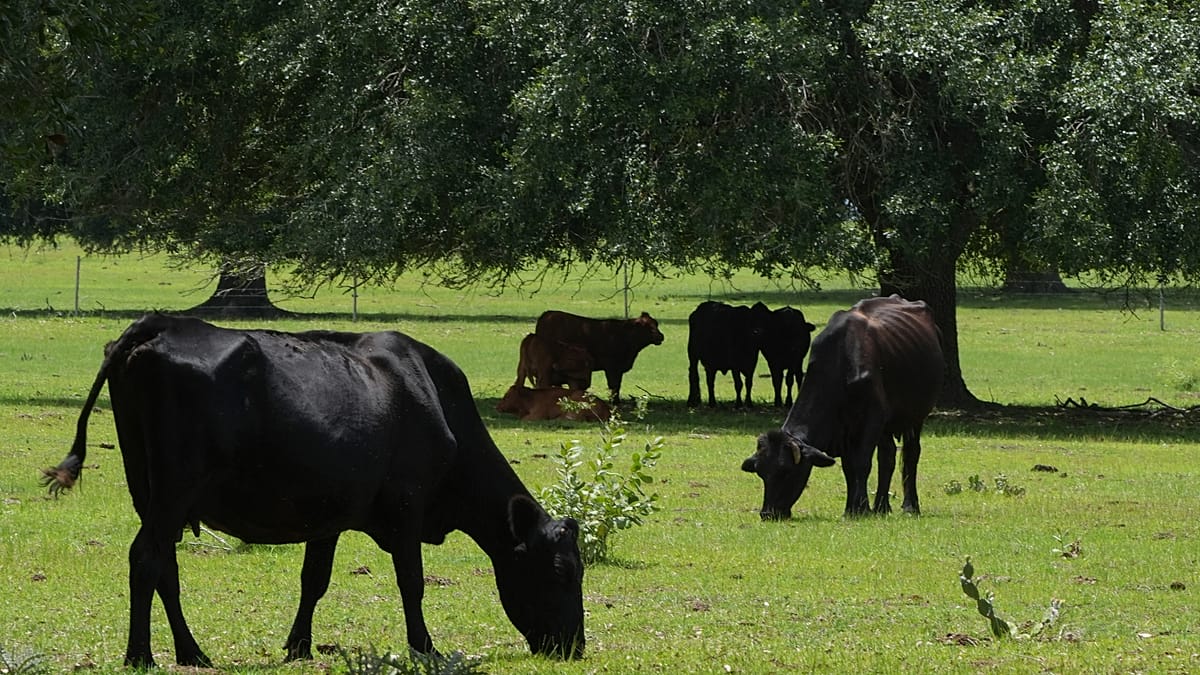
Shamonda virus belongs to a group of pathogens transmitted by biting midges, specifically Culicoides species. Until this summer, it had been found mainly in cattle, which are considered the primary hosts. Sporadic infections in small ruminants and horses were also reported in France during the summer.
The virus was first identified in Nigeria in the mid-1960s and has since been reported in cattle across West, East, and southern Africa, as well as in Japan. This summer marked its first appearance in Western Europe, with cases detected in Austria, Belgium, France, Germany, Ireland, Italy, Liechtenstein, Luxembourg, the Netherlands, Portugal, Spain, and Switzerland, as well as on the island of Jersey.
According to the European Centre for Disease Prevention and Control (ECDC), the specific midge species involved in this human case remains unknown. French authorities hypothesize that the patient was infected through a bite from an infected midge in eastern France.
Investigations ongoing
Clinical, laboratory, and epidemiological investigations are still underway to determine whether the virus caused or contributed to the patient's death and how the infection was acquired. These efforts are being conducted in collaboration with the World Health Organization (WHO) and the ECDC.
“According to investigations carried out so far, the brain complications observed in the immunocompromised patient before their death were very likely linked to the Shamonda virus infection,” the Agriculture Ministry said. “Based on current knowledge of the virus, no health risk to the general population has been identified to date.”
In infected adult cattle, symptoms typically include fever, lethargy, and diarrhea. Dairy cows may also experience a significant drop in milk production, according to Sciensano, Belgium's national public health institute.
This development comes as France has faced other public health and security challenges, including recent unrest and protests that have tested the government's response. While the Shamonda case is isolated, it highlights the importance of surveillance for emerging zoonotic diseases across Europe.
Authorities emphasize that the risk to the general population remains negligible, and no specific measures are required for the public. The case serves as a reminder of the need for continued vigilance in monitoring animal diseases that could potentially spill over into humans, especially in immunocompromised individuals.