France marked the 108th anniversary of the 1918 armistice on Wednesday with ceremonies across the country, but this year's commemoration carried an unmistakable political undercurrent. With the presidential election months away, the main contenders each chose symbolic venues to project their messages, turning a day of remembrance into a preview of the campaign ahead.
Macron's final Armistice Day as president
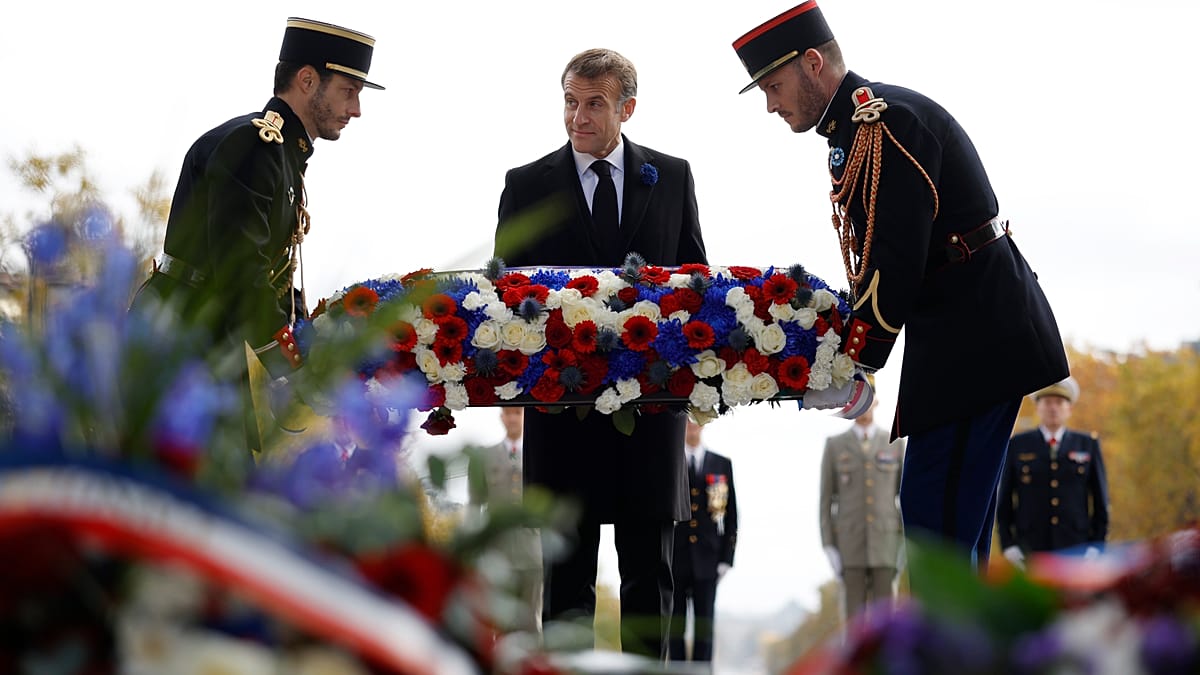
In Paris, Emmanuel Macron presided over the national ceremony at the Arc de Triomphe, his last as head of state. The president began by laying a wreath at the statue of Georges Clemenceau on the Champs-Élysées, then moved to the Place de l'Étoile, where he reviewed troops, rekindled the flame of the Unknown Soldier, and observed a minute's silence.
The names of five service members who died for France since the start of the year were read aloud, including adjudant-chef Thibaud Breteau, killed in the Levant, major Arnaud Frion, who died in Iraq, and three soldiers who lost their lives in Lebanon: adjudant Florian Montorio, sergent Anicet Girardin, and caporal-chef Florian Gillet. The army choir then performed La Marseillaise.
Macron did not speak during the ceremony, but he took to X to write: "Le Bleuet de France is the memory of those who have died for France. It expresses our solidarity with those who still bear the scars of History." He added, "Behind every uniform, there is courage. Behind every sacrifice, a family. Behind every hero, France that remembers."
Le Pen's call for national unity in Hénin-Beaumont
Marine Le Pen chose her stronghold of Hénin-Beaumont in Pas-de-Calais for her commemoration. The Rassemblement National candidate paid tribute not only to soldiers killed in action but also to the women who kept the home front running during the conflict. In her speech, she stressed the need to preserve collective memory and a sense of national belonging: "Honouring their memory, we commit ourselves to preserving the values for which they fought: sovereignty, freedom and love for our homeland."
Evoking the spirit of the Poilus, the French soldiers of the First World War, Le Pen called for collective action in the face of hardship: "Faced with the misfortunes of the country, we cannot remain spectators or commentators." She insisted that national cohesion cannot be built on a loss of bearings or on amnesia.
Mélenchon's pacifist gesture in Creuse
Jean-Luc Mélenchon, leader of La France Insoumise, took a different route. He travelled to Gentioux-Pigerolles in the Creuse department, a village known for its war memorial bearing the inscription "Cursed be war." The monument, which depicts an orphan raising his fist toward the names of the fallen, has become a rallying point for pacifist and anti-militarist activists.
Mélenchon, who had visited the site before, framed his speech around remembrance and a rejection of war. "I come here because, like many others, I believe that whoever does not know their history and has not reflected on it is exposed to seeing it repeat itself, without being able to recognise its features when it comes. It is our mission, we Unbowed, to carry History," he said.
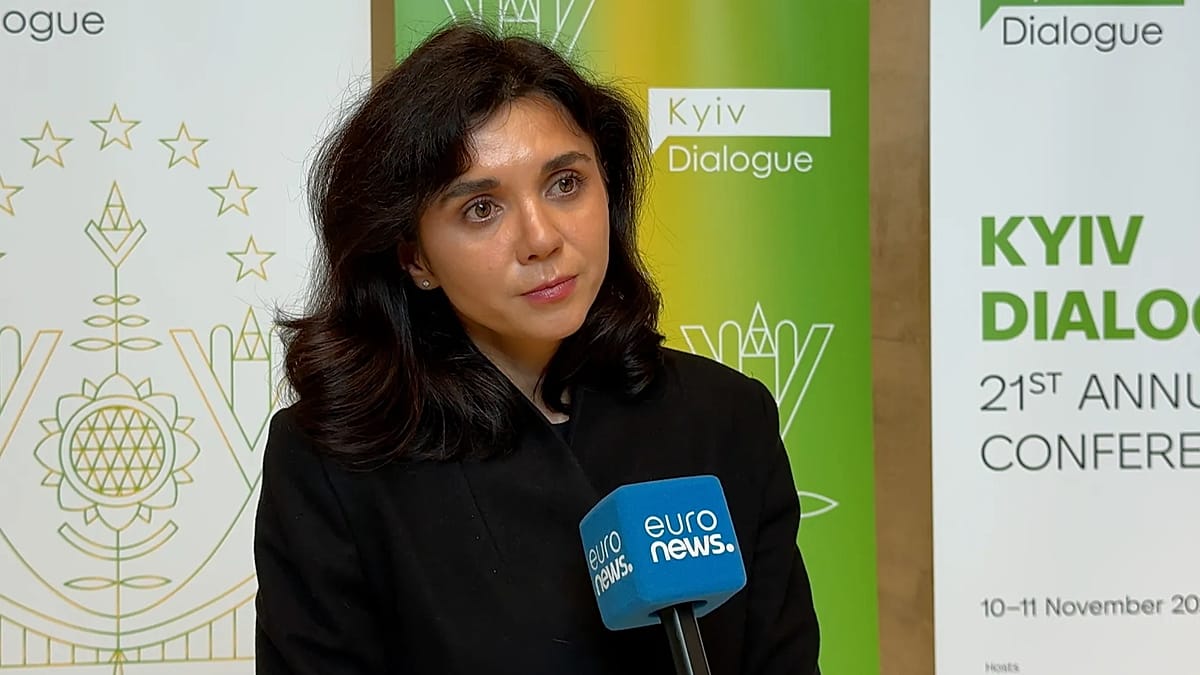
He then hammered home his opposition to any preparation for conflict: "Down with war! We will not wage it, we will not organise it, we will not prepare it!" This pacifist message echoes his recent statements on Ukraine, where he has proposed consulting residents of the Donbas about their future as part of a settlement. Ukrainian diplomacy responded firmly, noting that Ukrainians, including those in the Donbas, had already chosen their borders in the 1991 independence referendum.
The divergent ceremonies underscore the deep divisions in French political culture over how to honour the past and what lessons to draw for the present. Macron's official, state-centred ritual contrasts with Le Pen's emphasis on national sovereignty and Mélenchon's anti-war stance, each appealing to different segments of the electorate.
As the campaign intensifies, these competing narratives of memory are likely to shape the debate over France's role in the world, its security commitments, and its social contract. The 11 November ceremonies have become more than a tribute to the fallen; they are a mirror of the nation's current political fault lines.