Since the start of the current legislative term in May 2025, Germany's federal ministries have spent approximately €5.8 million on new furniture, furnishings, and decorative items. The figures, revealed in a government response to a parliamentary question from the AfD group in the Bundestag, have drawn sharp criticism from the German Taxpayers' Association.
Reiner Holznagel, president of the association, highlighted the apparent contradiction between the government's calls for public austerity and its own spending on office aesthetics. "There is supposedly no room to relieve the burden on citizens, but when it comes to their own government apparatus, the belt is pretty loose - for decor and the like!" he told the Neue Osnabrücker Zeitung.
Foreign Office, Defence, and Finance lead spending
The expenditure, covering 16 federal ministries, includes not only standard office furniture but also lamps, carpets, curtains, paintings, sculptures, and ornamental plants. The Foreign Office topped the list, spending €840,062 on such items since May 2025. In 2026 alone, it allocated around €256,000 for lamps, carpets, and curtains.
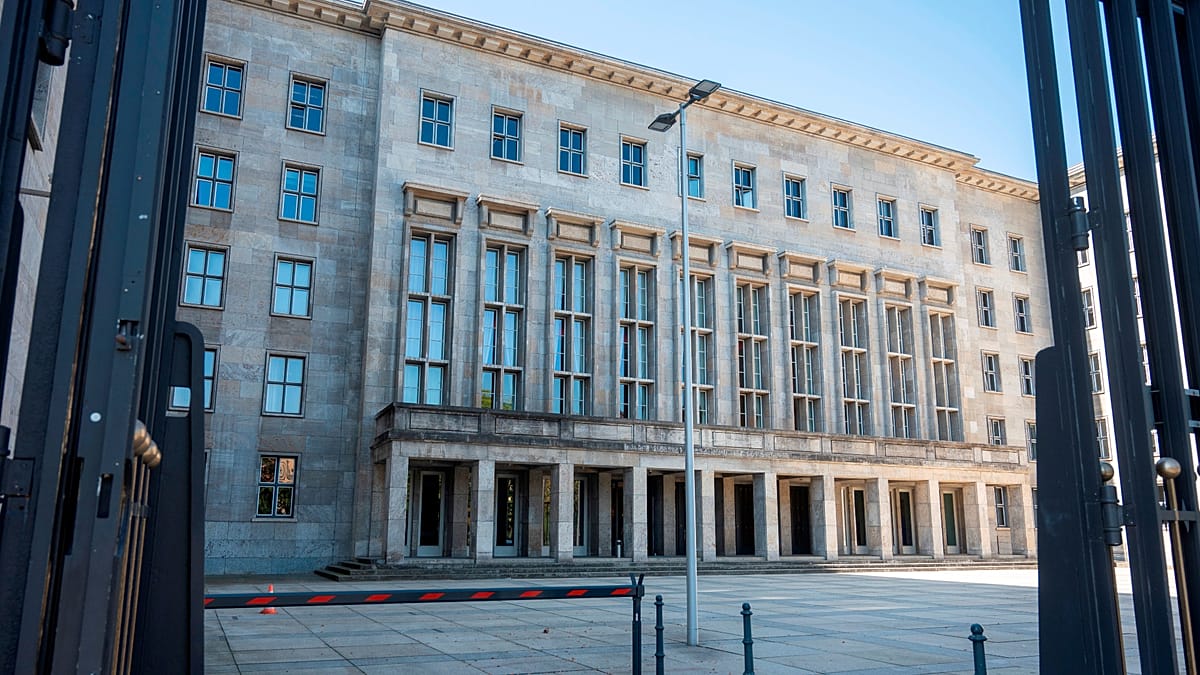
The Defence Ministry followed closely with approximately €813,000, while the Finance Ministry, led by Lars Klingbeil (SPD), invested over half a million euros in furniture, equipment, and decoration during the same period.
Notably, the Finance Ministry also leads in pure decoration costs, spending €45,077 since May 2025—more than a quarter of the federal government's total decoration expenditure. Additionally, it has incurred €47,737 in 2026 for refitting senior management offices.
Taxpayers' association calls for responsible spending
The German Taxpayers' Association argues that such spending undermines the credibility of the government's austerity message. Holznagel insists that those demanding thrift from citizens must apply the same standards within their own institutions. He sees the Bundestag's budget committee as having a particular responsibility to demonstrate how seriously politicians take their announced savings measures.
The debate raises broader questions about the federal government's handling of taxpayers' money, especially amid strained public finances. As citizens face service cuts and economic pressures, the public is likely to scrutinize how politicians spend their funds.
This controversy comes at a time when Germany is also grappling with other pressing issues, such as the military's internal challenges and broader European security concerns, including Denmark's recent military aid pledge to Ukraine. The contrast between such international commitments and domestic spending priorities may further fuel public debate.
While the sums involved are relatively small compared to the overall federal budget, the symbolic impact is significant. The Taxpayers' Association's criticism resonates with many Germans who feel the government is not practicing what it preaches on fiscal responsibility.
As the legislative term progresses, the budget committee's decisions on future spending will be closely watched. The association's call for more responsible spending policy is likely to echo in upcoming budget debates, particularly as the government seeks to balance fiscal discipline with necessary investments.