French prisons are confronting a rapidly evolving challenge: drones are becoming a preferred method for smuggling drugs, mobile phones, and alcohol behind bars. The phenomenon, once sporadic, has now taken on an industrial scale, with authorities recording thousands of aerial deliveries in recent months.
A sophisticated operation in Villefranche-sur-Saône
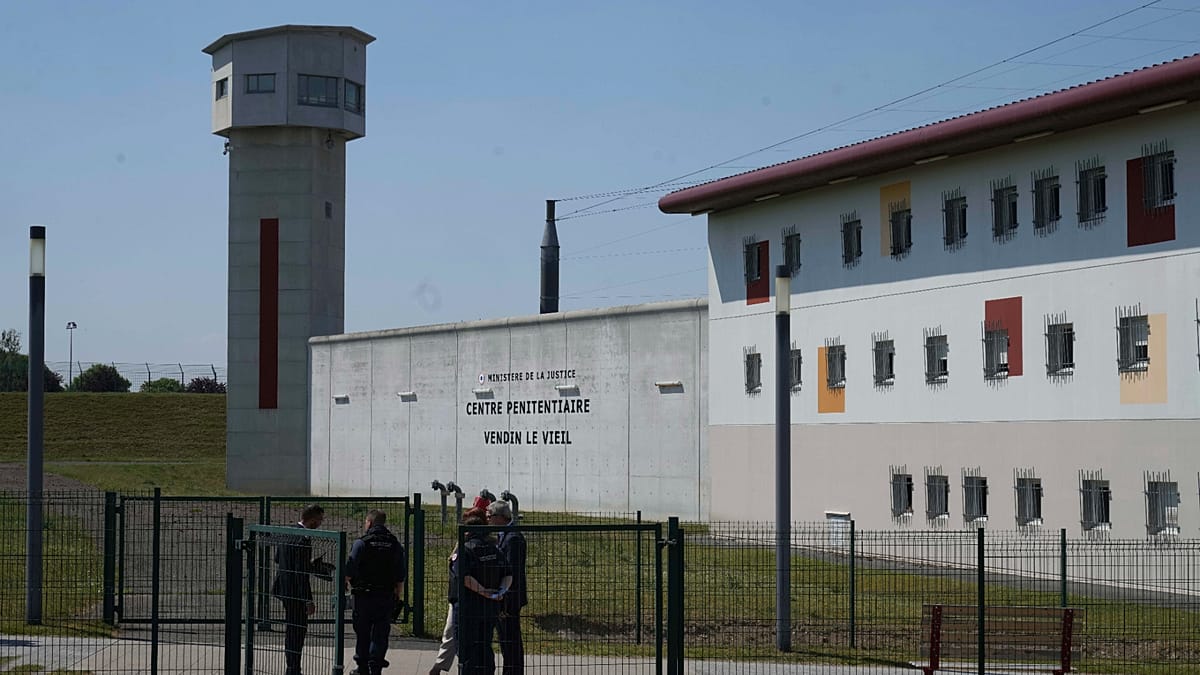
The remand prison in Villefranche-sur-Saône, in the Rhône department, has become a focal point of this new illicit trade. In early August, investigators uncovered a trafficking network that used drones to supply inmates with drugs. Initially, they logged 880 drone deliveries in just 25 days and identified two take-off zones adjacent to the prison.
A coordinated operation on 4 August led to the arrest of five suspects, three of whom were caught in the act. Gendarmes seized 500 grams of cannabis, ten cartons of cigarettes, €6,000 in cash, a vehicle, and the drone used for the deliveries. Analysis of the device's digital data revealed an even more extensive operation: 1,826 drops were recorded in under two months, bringing more than 30 kilograms of drugs into the facility.
The investigation exposed a highly organized structure, with each suspect assigned a specific role—from order-taking to logistics and parcel delivery. Similar cases in previous years had already shown consignments containing cocaine, heroin, cannabis, mobile phones, and SIM cards.
Strasbourg: drones disrupt medical helicopters
In Strasbourg, the consequences now extend beyond prison walls. For several weeks, drones have been preventing helicopters carrying injured or ill patients from landing at night on the helipad of Hautepierre hospital. Some of these devices are reportedly used for clandestine deliveries to inmates at the Strasbourg-Elsau remand prison.
Because of the risk of collision, medical helicopters can no longer use the hospital helipad after dark. They are forced to land on an alternative platform, with patients then transferred by ambulance—a delay that could prove critical in emergencies.
Prisons bolster anti-drone defenses
In response, the French prison administration is stepping up its countermeasures. The most exposed facilities are gradually being equipped with systems capable of detecting and neutralizing drones. By February 2026, 62 anti-drone systems were operational in French prisons, out of 78 ordered by the Ministry of Justice. The remaining 16 are expected to be deployed by the end of 2026.
The trend highlights a broader challenge for European prison systems, as technology evolves faster than institutional responses. While France is among the first to deploy such defenses, other countries are watching closely. The use of drones for contraband is not unique to France—similar incidents have been reported in the UK, Germany, and Italy—but the scale and sophistication of the French cases are striking.
As authorities adapt, the cat-and-mouse game between smugglers and security forces is likely to continue. The introduction of anti-drone technology is a step forward, but experts warn that traffickers will seek new methods, possibly including larger drones or alternative delivery routes.
For now, the skies above French prisons are no longer just a security concern—they are a battleground for control.