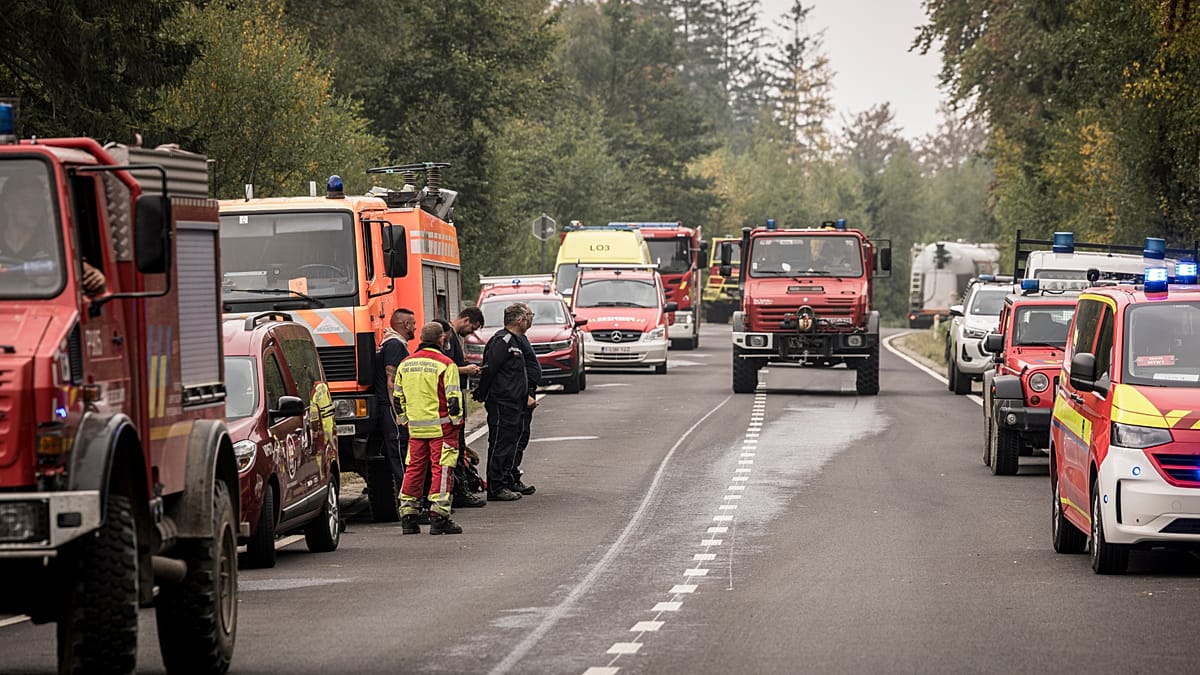
France is enduring a punishing heatwave this week, with temperatures expected to soar to between 40 and 45 degrees Celsius on Wednesday, 24 June. The extreme conditions have prompted wildfire alerts across central France and left tens of thousands of households in the northwestern department of Finistère without electricity.
According to Météo-France, the national weather service, the heatwave is being driven by a high-pressure system drawing hot air from North Africa. The worst of the heat is concentrated in a band stretching from the Loire Valley to the Rhône corridor, with several departments placed under orange or red vigilance. The situation echoes the record-breaking temperatures seen in recent summers, which have repeatedly tested the country's infrastructure and public health systems.
Power Grid Under Pressure in Brittany
In Finistère, the local electricity distributor Enedis reported that around 68,000 homes were without power as of Tuesday evening. The outages were triggered by a combination of soaring demand for air conditioning and strain on the grid from the heat. Crews have been working to restore supply, but some areas may remain in the dark for several hours. The disruption has added to the misery for residents, many of whom are also contending with water restrictions imposed by local authorities.
The situation in Brittany is a stark reminder of how vulnerable even well-developed regions can be to extreme weather. Similar power failures have occurred during previous heatwaves in France, notably in the summer of 2019 when parts of the Île-de-France region experienced blackouts. As climate change makes such events more frequent, questions are being raised about the resilience of the country's energy infrastructure.
Wildfire Risk Intensifies Across Central France
Wildfire alerts have been issued for several central departments, including the Cher, Indre, and Allier. The combination of high temperatures, low humidity, and dry vegetation has created a tinderbox environment. Firefighters are on standby, and local authorities have banned the use of barbecues and other open flames in forested areas. The risk is particularly acute in the Sologne region, where large tracts of pine forest are highly flammable.
This year's heatwave comes on the heels of a dry spring that left soils parched across much of the country. The French government has warned that the fire season may start earlier and last longer than usual. In the south, where wildfires are a perennial threat, emergency services have already responded to several small blazes in the Var and Bouches-du-Rhône departments.
Public Health and Travel Disruptions
Health authorities have urged vulnerable populations—especially the elderly, children, and those with chronic conditions—to stay indoors during peak heat hours. Cooling centres have been opened in major cities, including Paris, Lyon, and Marseille. The city of Paris has also activated its 'Ciné-clim' initiative, offering free screenings in air-conditioned cinemas to provide respite from the heat.
Tourist sites across the country have been affected. The Eiffel Tower, a magnet for visitors, was forced to close its upper levels on Tuesday due to the risk of heatstroke among staff and guests. Other landmarks, such as the Château de Versailles and the Mont-Saint-Michel, have implemented similar measures. The disruptions are a blow to the tourism sector, which was already struggling to recover from the pandemic.
The heatwave is not confined to France. Across the continent, countries from Spain to Germany are grappling with record temperatures. Spain recorded its hottest June days earlier this week, while Belgium issued a health alert as the mercury climbed. The World Health Organization's chief has urged European leaders to act now, warning that heatwave deaths are mounting. The current crisis underscores the need for coordinated action at the EU level to adapt to a warming climate.
As France swelters, the immediate focus is on keeping people safe and restoring power in Finistère. But the longer-term implications are clear: Europe must invest in climate-resilient infrastructure and public health systems to withstand the new normal of extreme heat.