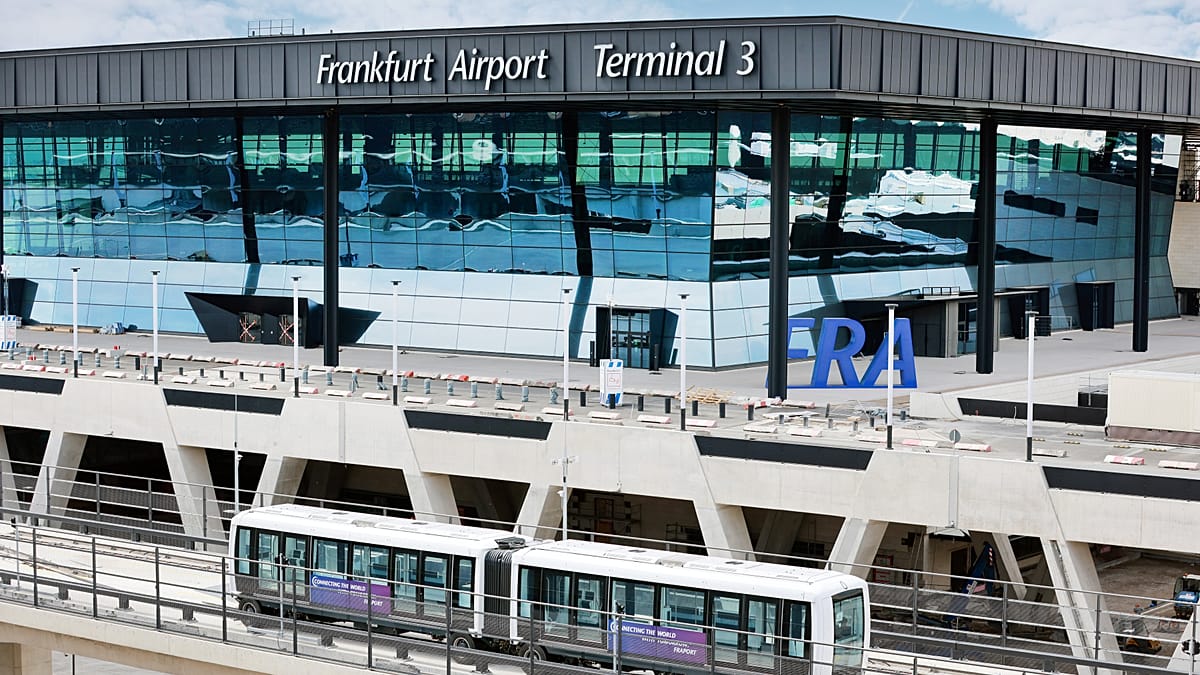
Frankfurt Airport, a cornerstone of European and global aviation, is set to significantly expand its capacity with the inauguration of Terminal 3 on Wednesday, 23 April. The airport, which processed over 57.5 million passengers last year, will see its new facility designed to accommodate an additional 19 million travellers annually, reinforcing its status as a critical international hub.
A Phased Relocation for Airlines
The opening initiates a three-month transition period where all carriers currently operating from Terminal 2 will move their operations to the new building. Among the first airlines to relocate are major long-haul operators including Cathay Pacific, China Airlines, Emirates, Etihad Airways, Korean Air, and Qatar Airways. Passengers are advised to check the Frankfurt Airport website for specific moving schedules. Notably, airlines based in Terminal 1, such as the Lufthansa Group and its Star Alliance partners like Air Canada and United Airlines, will remain there. The new terminal is connected to the existing complex by the Sky Line people mover, with a travel time of just eight minutes.
Architectural Vision: An Airport as a City
The design of Terminal 3, led by German architect Christoph Mäckler, consciously moves away from sterile transit spaces. Mäckler's concept aims to transform the terminal into a "city in its own right," where piers, gates, and lounges function as streets and squares. "These days airports have become a destination in their own right," Mäckler wrote. "In fact, they typically receive more visitors than many city centres. This makes it even more important for airports to also perform some of the same functions as cities."
The seven-level main building features a distinctive, slightly bulging facade. Beyond security, the central marketplace is defined by an undulating, reflective steel ceiling. The terminal's artistic direction is overseen by Frankfurt-based Tobias Rehberger, serving as "Artist in Residence." His installations, themed around transition and movement, feature contemplative phrases like "Say Hello To Goodbye" and "In 2 Days Tomorrow is Yesterday Somewhere Else," with more pieces to be added throughout the year.
Retail, Dining, and Amenities
Terminal 3 offers a wide array of services aimed at making extended waits more comfortable. Two food courts, a bar, and numerous restaurants provide diverse options. Highlights include the photogenic EL&N London café, the Italian Sophia Loren Restaurant, and Origin Bar + Eatery. Passengers can also sample baked goods from Axel Schmitt at Brot., or opt for quick meals at Asia Street Cooking or Burger King.
In Pier J, options include Haferkater for porridge, Mainbissen for sandwiches, and Zigolini for fresh pasta. Pier H hosts Brewgate, which serves both beer and coffee, alongside coffee shops Brew’d and Espresso House. For shopping, alongside standard duty-free outlets, stores include BOSS, CHRIST jewellers, FALKE, LONGCHAMP, Montblanc, Victoria’s Secret, Sunglass Hut, and TUMI. Travel essentials are covered by CAPI Electronics for electronics and Germany On My Mind for souvenirs, while the Gatezero concept store will offer street culture fashion. For weary travellers, bookable napcabs provide a space to rest.
The expansion comes as European aviation infrastructure faces pressure to modernise and increase capacity while managing environmental impacts. Projects like this highlight the continent's ongoing investment in critical transport networks, a theme also explored in our coverage of how Sustainable Aviation Fuel Emerges as a Strategic Shield for European Airlines. Furthermore, the architectural ambition of Terminal 3 echoes a broader European appreciation for design in public spaces, similar to the ethos behind the Brussels Festival Showcasing Architectural Heritage with Rare Building Access.
The terminal's opening is a significant development for Germany's busiest airport and for European air travel connectivity, offering enhanced facilities as passenger numbers continue their post-pandemic recovery.



