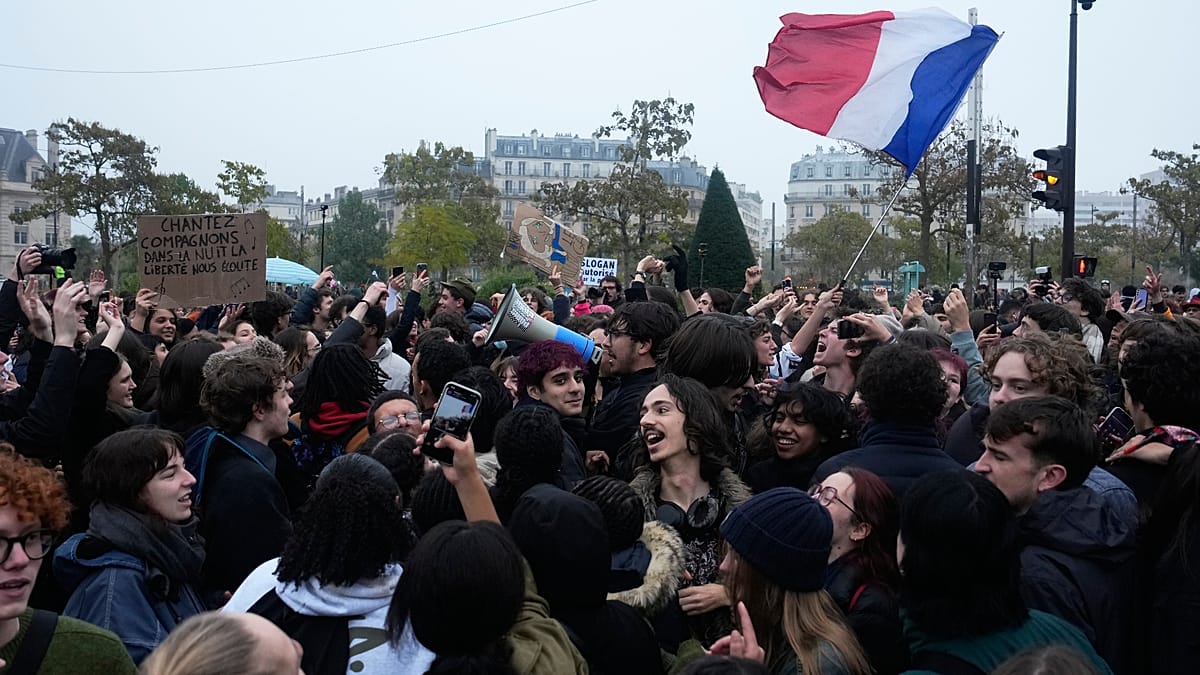
Another wave of demonstrations is sweeping France as public sector workers stage a nationwide strike over pay, escalating pressure on a government already struggling to push its 2027 budget through parliament. The protests, which began in mid-September over school conditions, have since broadened into a wider movement against the rising cost of living and surging fuel prices.
Tuesday's action follows a meeting between union leaders and Prime Minister Sébastien Lecornu, which left the unions deeply dissatisfied. They continue to demand an across-the-board pay rise, arguing that public servants have lost 16 percent of their purchasing power since 2017. Many employees, they say, now earn little more than the minimum wage, a situation exacerbated by inflation.
In a bid to defuse the unrest, the government has announced an additional eight index points for the lowest-paid public sector workers and brought forward a scheduled increase in the national minimum wage to 1 December. But in its draft budget, the government has ruled out any general pay rise for the fourth consecutive year, citing the country's mounting public deficit and national debt.
Unions reject limited concessions
For the unions, these measures are insufficient. They argue that the government's approach fails to address the structural erosion of public sector wages, which has left many workers struggling to make ends meet. The refusal to grant a general increase, they insist, is unacceptable at a time when inflation continues to bite.
The demonstrations have drawn fewer participants in recent weeks, according to figures from the Interior Ministry, but they remain largely peaceful. There have, however, been isolated incidents of fringe violence, including attacks on journalists and police, damage to public buildings, and the use of firecrackers. Police forces, in turn, have faced accusations of using disproportionate force, prompting several investigations into alleged misconduct.
The standoff comes as France's fiscal position grows increasingly precarious. The government is racing to adopt a budget for 2027, but the political climate is fraught, with the ruling party lacking a clear majority in the National Assembly. The budget debate has become a flashpoint for broader discontent, not only over wages but also over the direction of economic policy.
The unrest has also drawn attention to the wider European context, where public sector pay and austerity measures are contentious issues in several countries. In France, the outcome of this standoff could have significant implications for the government's ability to implement its reform agenda and for social stability in the months ahead.
As the strike continues, the government faces a delicate balancing act: it must address union demands without further straining the public finances. With the budget deadline looming, the pressure is mounting on all sides. The unions, for their part, have vowed to maintain their campaign until their demands are met.
For now, the streets of Paris and other cities remain the stage for a confrontation that is as much about economic justice as it is about political survival. The coming weeks will be crucial in determining whether the government can find a way out of the impasse or whether the protests will escalate further.