Travel in 2026 is less about the destination and more about the emotional pull behind the journey, according to Hilton’s latest Trends Report. Based on a survey of over 14,000 travelers from Germany, the United Kingdom, the United States, and Australia, the report highlights a continent-wide shift toward introspection, heritage, and deliberate disconnection.
“As travellers seek more meaning from their journeys, trust and familiarity have never been more important,” said Chris Nassetta, Hilton’s president and chief executive officer. “This year’s report shows that 74% of travellers value booking with brands they know and trust, a clear signal that comfort and consistency are essential in today’s travel landscape. More than ever, it’s the feeling behind the trip that’s guiding where the journey begins.”
Hushpitality: The Rise of Silent Escapes
One of the most striking trends is what the industry is calling “hushpitality” — a deliberate pursuit of peace and quiet. Nearly half of respondents (48%) said they would add extra travel days before or after family vacations, while 54% admitted they would take a business trip just to get a break from their family. Among business travelers, 27% prioritize solo time on work trips, 19% choose sleep over socializing, and 30% opt for a late-night meal alone after group events.
This craving for silence is reshaping hotel offerings across Europe, from remote lodges in the Norwegian fjords to minimalist retreats in the Swiss Alps. For travelers flying into hubs like Frankfurt or Paris, the trend also means rethinking airport layovers — a topic explored in our survey on Europe's most annoying travel habits.
Planning Through Children’s Eyes
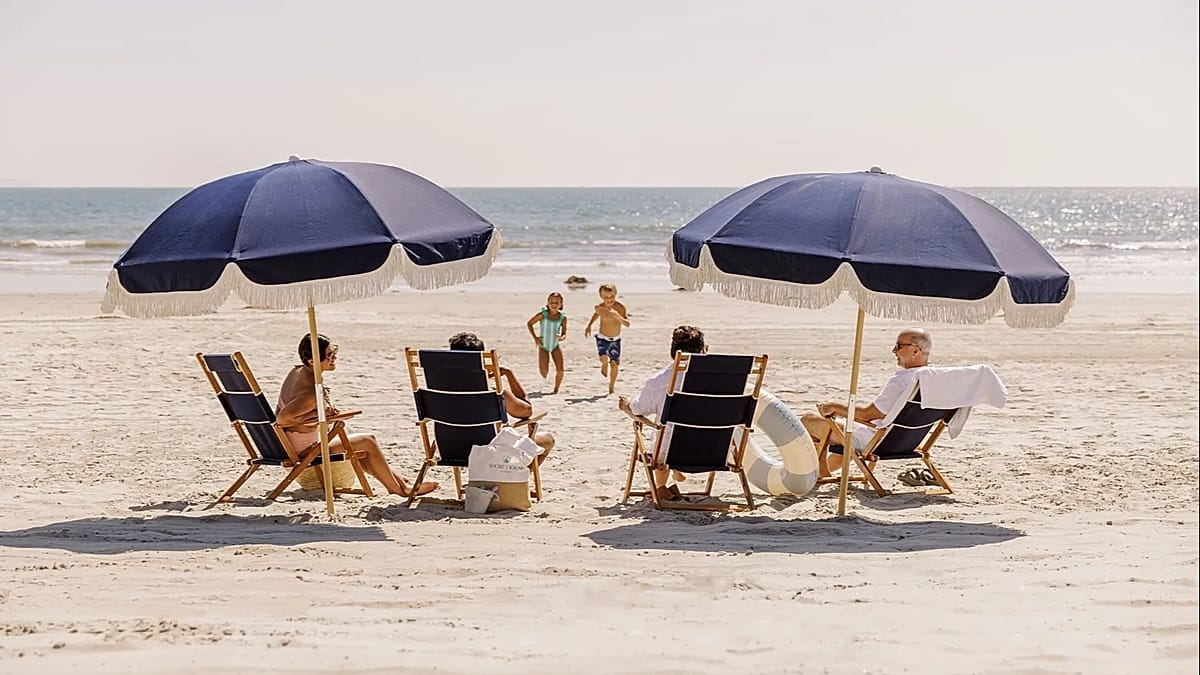
Family travel is undergoing a generational shift. Instead of parents dictating the itinerary, children are increasingly taking the lead. According to the survey, 73% of those who travel with children or grandchildren expect to actively involve the younger generation in planning. “Skip-gen” travel — where grandparents take the kids on holiday — is also on the rise, with nearly 30% of respondents saying they would send their children off with just their grandparents.
Families are also striving to be more present: 58% of parents said they would enforce periods of no screen time while away. This trend aligns with a broader European push for digital detox, especially in destinations like the Balkans, where Bosnia and Herzegovina is emerging as a top choice for unplugged adventures.
Inheritourism: Letting Roots Guide the Way
The trips we take as children leave lasting imprints. Two-thirds of travelers say their hotel choices have been shaped by their parents, and 73% say their overall travel style is influenced by family. More notably, 52% of respondents are planning trips specifically to learn about their family roots — a phenomenon dubbed “inheritourism.”
This trend is particularly resonant in Europe, where many are tracing ancestry back to countries like Germany, Poland, or Italy. For those exploring German heritage, the process can be complex, as detailed in our piece on why Israeli and American Jews are increasingly seeking German citizenship.
US Road Trips and the Route 66 Centenary
With Route 66 celebrating its centenary in 2026, American road trips are seeing a surge in interest from European travelers. Hilton’s data shows that 61% of travelers won’t drive more than five hours without stopping for a hotel stay, and 90% say a comfortable bed is the top priority after a day on the road. This has implications for European road-trippers planning cross-continental drives, from the Atlantic coast to the Mediterranean.
For those considering a more structured journey, our Budapest travel guide for the 2026 Champions League Final offers practical tips for combining sport with sightseeing.
As these trends converge, one thing is clear: the why of travel is becoming as important as the where. Whether it’s silence, family, or heritage, European travelers are seeking journeys that resonate on a deeper level.