Greece has presented its new Special Spatial Framework for Tourism, a comprehensive policy aimed at reining in the unchecked expansion of the sector while steering investment toward less crowded regions. The announcement comes as the country grapples with the dual challenge of record visitor numbers and the need to preserve its natural and cultural heritage.
Tourism Minister Olga Kefalogianni and Environment and Energy Minister Stavros Papastavrou outlined the plan, which sets clear rules on where, how, and under what conditions tourism activities can be developed. “The key is the transition to a development model that combines quality and sustainability, respecting both the natural environment and the specific characteristics of each region,” a joint statement said.
Five Categories for Targeted Management
For the first time, Greece is classified into five distinct regional categories based on geographical features and tourism pressure. High-pressure areas will face strict restrictions to curb overtourism, while regions with growth potential will receive incentives for investment, provided they meet rigorous sustainability criteria. Island destinations receive special attention, with a focus on preserving their unique character. Mainland areas are earmarked for alternative forms of tourism, and special-status zones—such as sensitive ecosystems—will be given enhanced protection.
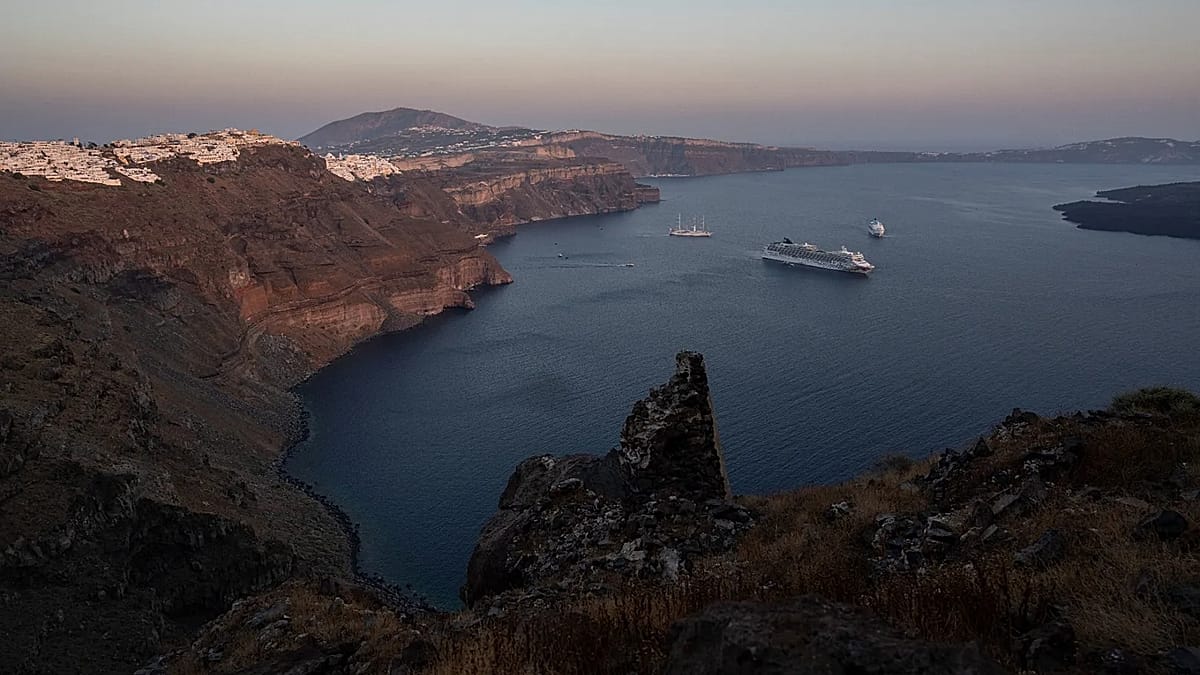
One of the most significant measures is the introduction of a maximum number of tourist beds on each island, determined by its size and carrying capacity. This aims to prevent the kind of overcrowding that has plagued popular destinations like Santoríni and Mykonos in recent years. Additionally, the framework mandates full protection of the coastal zone within the first 25 metres from the shoreline, where no new construction will be permitted except for public-interest projects.
The plan also reinforces the protection of the National System of Protected Areas, traditional and abandoned settlements, and archaeological sites. “Tourism development must continue without altering the special characteristics of the islands,” Papastavrou said, while Kefalogianni added that “the plan is open to correction” as conditions evolve.
Greece remains one of the world’s strongest tourism brands, but the surge in arrivals has strained infrastructure, particularly on the islands. The new framework seeks to redirect resources and investments to non-saturated areas, including mainland regions and lesser-known islands. This aligns with broader European trends: Malta's overtourism debate has similarly split public opinion as visitor numbers surge, and Greece's lesser-known islands and mainland escapes have already topped rankings for quiet summer holidays.
The framework’s emphasis on sustainability and quality over quantity reflects a growing recognition across Europe that unchecked tourism growth can undermine the very assets that attract visitors. By setting clear spatial rules and promoting investment in underdeveloped areas, Athens hopes to balance economic benefits with environmental and cultural preservation.