For decades, Albania was one of Europe's most isolated corners. Under the iron rule of Enver Hoxha, the country sealed itself off from the outside world, and tourism was virtually nonexistent. Today, that legacy is a distant memory. In 2025, Albania recorded 11.9 million international arrivals, a 93.6% increase compared to 2019, according to UN Tourism. The country has become one of the continent's fastest-growing travel destinations, and the numbers show no sign of slowing.
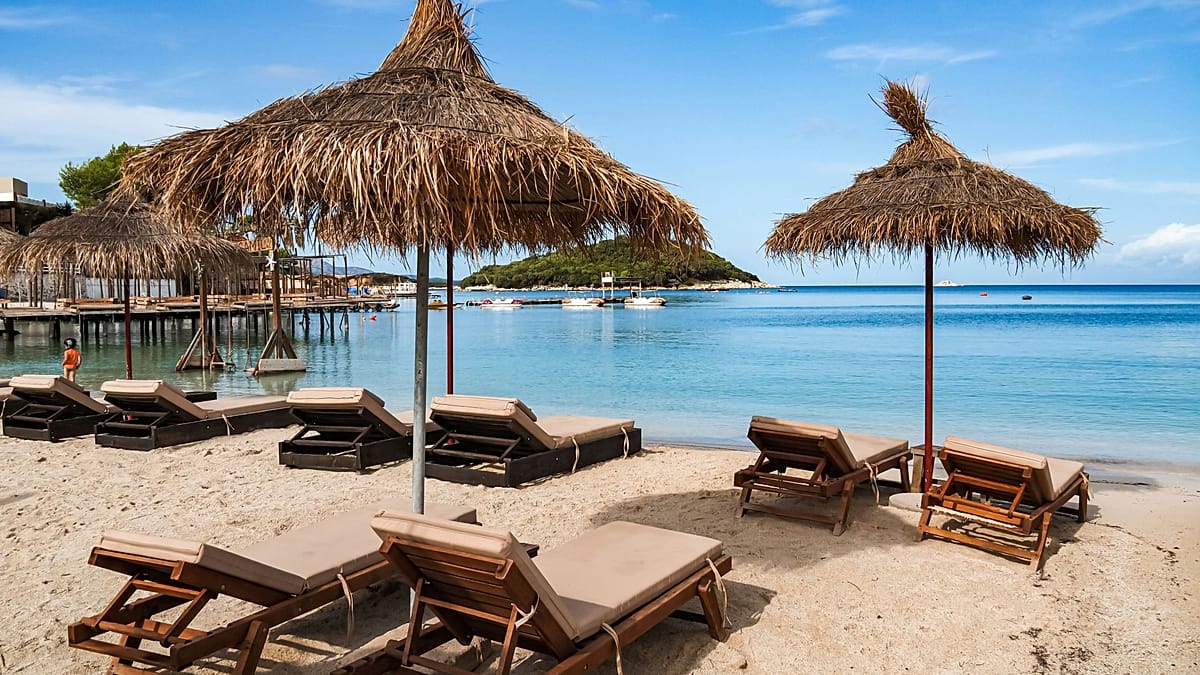
What explains this remarkable turnaround? There is no single factor, but a combination of affordability, accessibility, and a diverse offering that spans pristine beaches, rugged mountains, and a complex history. Travelers who once flocked to Croatia's Dalmatian coast have gradually moved south, first to Montenegro and now to the Albanian Riviera, drawn by crystal-clear waters and prices that remain a fraction of those in more established Mediterranean spots.
The expansion of Tirana International Airport has helped, but the real game-changer was the arrival of Wizz Air in 2020. The low-cost carrier established a base in the capital, opening up direct connections to Barcelona, Budapest, London, Madrid, Rome, and Stockholm. For those exploring the region overland, Albania's bus network makes it easy to combine a visit with North Macedonia, Kosovo, or Montenegro, creating multi-country itineraries that were once logistically challenging.
Tirana: A capital shaped by history
Albania's capital is the natural starting point for any visit. Skanderbeg Square, named after the 15th-century national hero who resisted Ottoman rule, anchors the city center. The National Historical Museum, currently closed for renovations until 2028, still offers a glimpse into the country's past through its striking exterior mosaic, which depicts figures from Illyrian warriors to Mother Albania and a communist worker.
For a deeper dive into the darker chapters of the 20th century, the House of Leaves museum is a must. Housed in a former secret police building, it documents the activities of the Sigurimi, Albania's feared internal security service. Visitors can walk through former interrogation rooms and examine original documents, recordings, and photographs that reveal the extent of state surveillance under Hoxha.
The communist era also left a physical mark on the landscape: an estimated 5.7 bunkers per square kilometer dot the country. Most lie abandoned, but near Skanderbeg Square, Bunk'art 2 offers an immersive look at life under the secret police. The larger Bunk'art 1, located on the outskirts of Tirana near the Dajti Mountain Cable Car, covers the period from the 1930s to 1990.
For a more relaxed experience, Tirana Castle, also known as the Fortress of Justinian, has been transformed into a lively complex of independent restaurants, cafés, and shops. The city's nightlife is thriving, thanks in part to its affordability compared to neighboring capitals. The Blokku district is the epicenter, with cocktail bars like Hemingway, known for its live jazz and rum-based drinks, and Radio Bar drawing a stylish crowd. Beer lovers should try Ruka's Bar 1991, and no visit is complete without sampling raki, Albania's ubiquitous grape-based spirit.
Shkodër: Lakeside calm and a gateway to the Alps
North of Tirana, the town of Shkodër sits on the shores of Lake Shkodër, the largest lake in Southern Europe, shared with Montenegro. The town itself is walkable, with Rozafa Castle offering panoramic views. But the real draw is the lake itself, best explored by bike along its tranquil shores.
Shkodër is a place to slow down. Hotel Tradita, a boutique property housed in a building dating back to 1694 and once home to poet Filip Shiroka, offers traditional Albanian cuisine, wine, and raki, often accompanied by live music. Even if you're not staying, the restaurant is worth a visit.
From Shkodër, day trips to the Shala River and Lake Koman are popular, and the Albanian Alps are within reach. The Valbona Pass, a 12-kilometer trail connecting the villages of Valbona and Theth, is among the most celebrated hikes in the region, offering seven to ten hours of unspoiled scenery through dramatic mountain terrain. For those seeking a less strenuous experience, the area also offers opportunities for rafting, fishing, and simply soaking in the remote beauty.
Albania's rise as a travel destination is not just a story of numbers. It reflects a broader shift in European travel preferences, as visitors increasingly seek out places that feel authentic and uncommercialized. The country's ability to offer both a rich historical narrative and natural wonders—from the Adriatic coast to the Accursed Mountains—makes it a compelling choice for a wide range of travelers. As the world becomes more connected, Albania's moment has clearly arrived.