Younger audiences across Europe and North America are turning away from traditional media gatekeepers and embracing platforms like YouTube, TikTok, and even AI-generated content, according to the 2026 Teens and Screens report from the Center for Scholars & Storytellers (CSS) at UCLA. The annual survey, now in its fifth year, polled over 1,500 Americans aged 10 to 24, but its findings resonate with trends observed across the continent, where platforms like YouTube and TikTok dominate youth media consumption.
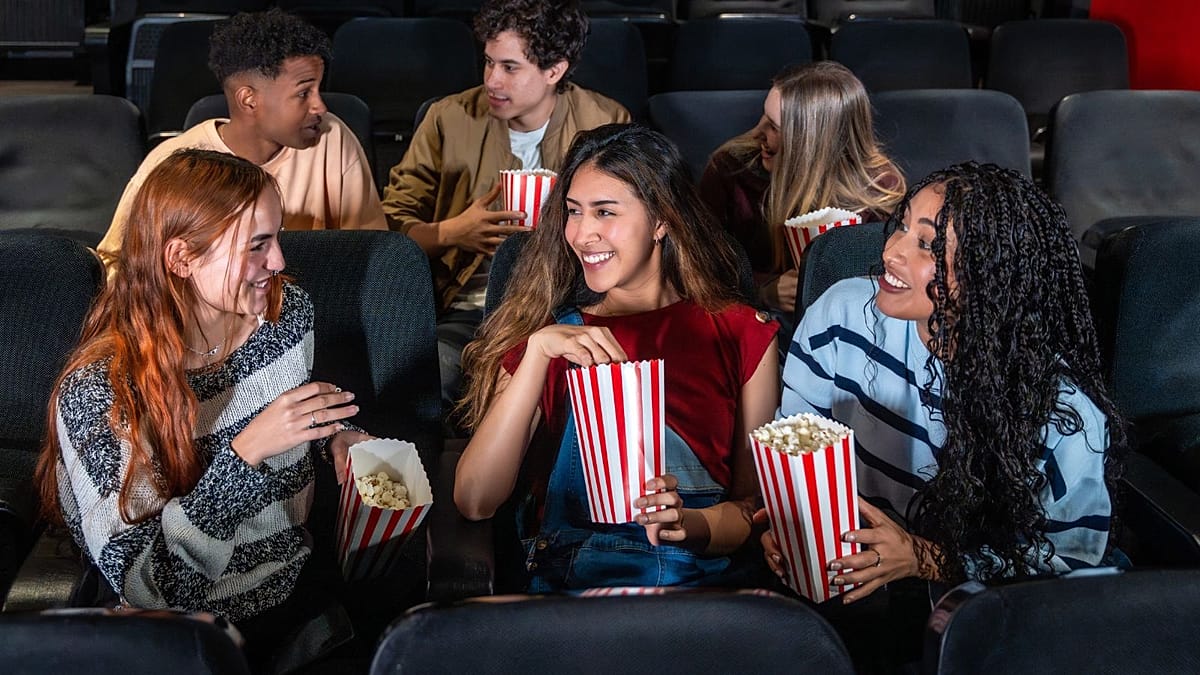
The report's headline figure: 72.9% of respondents named YouTube as their favorite storytelling medium, while nearly four in five said short-form videos can tell a story just as effectively as a feature film. TikTok followed at 64.2%, with TV shows (70.3%), movies (70.2%), and video games (68.5%) close behind. For the third consecutive year, going to the cinema ranked as the top weekend activity—a sign that despite digital saturation, the big screen still holds appeal.
This mirrors European data: the Cinema Advertising Association reports that half of UK cinemagoers are under 35, and CineEurope notes that 47% of young Europeans discover films through TikTok. The pull of the cinema is partly a reaction to pandemic-era isolation, as young people seek communal experiences beyond their phones.
A demand for authenticity and neurodivergent representation
While young audiences are a prime demographic for the entertainment industry, their actual desires are often overlooked. The survey found that 55% of respondents want to see more neurodivergent characters on screen—a figure that rises among LGBTQIA+ youth. Yet only 22.7% believe current portrayals of neurodivergence feel authentic. The backlash against Sia's 2021 film Music, which cast a neurotypical actress as an autistic character, remains a cautionary tale.
Respondents also expressed a craving for “hopeful, uplifting stories with people beating the odds,” “friendships and social groups,” and “people with lives like mine.” This aligns with previous findings that young people want less sex on screen and more platonic relationships; 52% said romantic relationships are overemphasized in media compared to real life.
“The call for greater neurodivergent and friendship representation is just some examples we found of the broader demand for more diverse and authentic portrayals,” said study co-author Stephanie Rivas-Lara.
AI: curiosity over fear
Artificial intelligence has rapidly infiltrated media, from deepfake actors to algorithmically generated content. Yet the report suggests young viewers are more intrigued than alarmed: 28.2% said they are “fascinated” by AI, and 25.6% are “excited,” while 22% feel “doomed” and 10.1% are “scared.” The most positive responses came from the youngest cohort (ages 10-13), with 44.2% describing AI-related content as “fascinating.”
This nuanced view is reflected in Europe, where AI-generated pundits are populating the German YouTube political scene, and AI robots are even carving Carrara marble in Italy, redefining sculpture and art. The technology is not uniformly rejected but rather integrated into creative expression.
The rise of internet-native blockbusters
The report also highlights how YouTube creators are breaking into mainstream cinema. Films like Backrooms and Obsession, directed by online personalities, have become box-office hits, proving that audiences crave original stories rooted in internet lore and digital culture. These films reflect the worlds young people have grown up in, where memes, ARGs, and viral formats are as familiar as traditional narratives.
“The gatekeepers have changed, and young people themselves are deciding what they want to watch and what they want to see more of in the content they choose,” said Yalda T. Uhls, founder and CEO of CSS and adjunct professor in UCLA’s psychology department. “Industry leaders should ‘tune in’ to young people as well as the experts who have positive youth development and their well-being in mind.”
As the entertainment industry grapples with these shifts, the message is clear: authenticity, relatability, and a willingness to embrace new formats—including AI—are key to winning over today’s youth. For European producers and platforms, the report offers a roadmap for connecting with a generation that values both innovation and genuine human connection.