A leading indicator of German business confidence has plunged to its lowest level since the height of the 2022 energy crisis, signalling deepening pessimism among financial analysts about the economic outlook for Europe's largest economy. The ZEW Indicator of Economic Sentiment, published by the Mannheim-based Centre for European Economic Research (ZEW), fell sharply by 16.7 points in April to -17.2 points.
This marks the second consecutive monthly drop, following a significant decline in March. The survey, which polls 192 financial market experts on their six-month outlook, points to a growing conviction that Germany's economic challenges are intensifying rather than receding.
"Economic expectations are slipping into negative territory," said ZEW President Achim Wambach. "The economic consequences of the Iran war for the German economy go far beyond price increases. Businesses are concerned about long-term shortages of energy supply, and this discourages investment and weakens the effect of government stimuli."
The assessment of the current economic situation in Germany deteriorated even more dramatically, falling by 10.8 points to a deeply negative -73.7 points. This stark reading underscores the gap between a weak present reality and a future viewed with increasing apprehension.
Sectoral Divergence and Eurozone Echoes
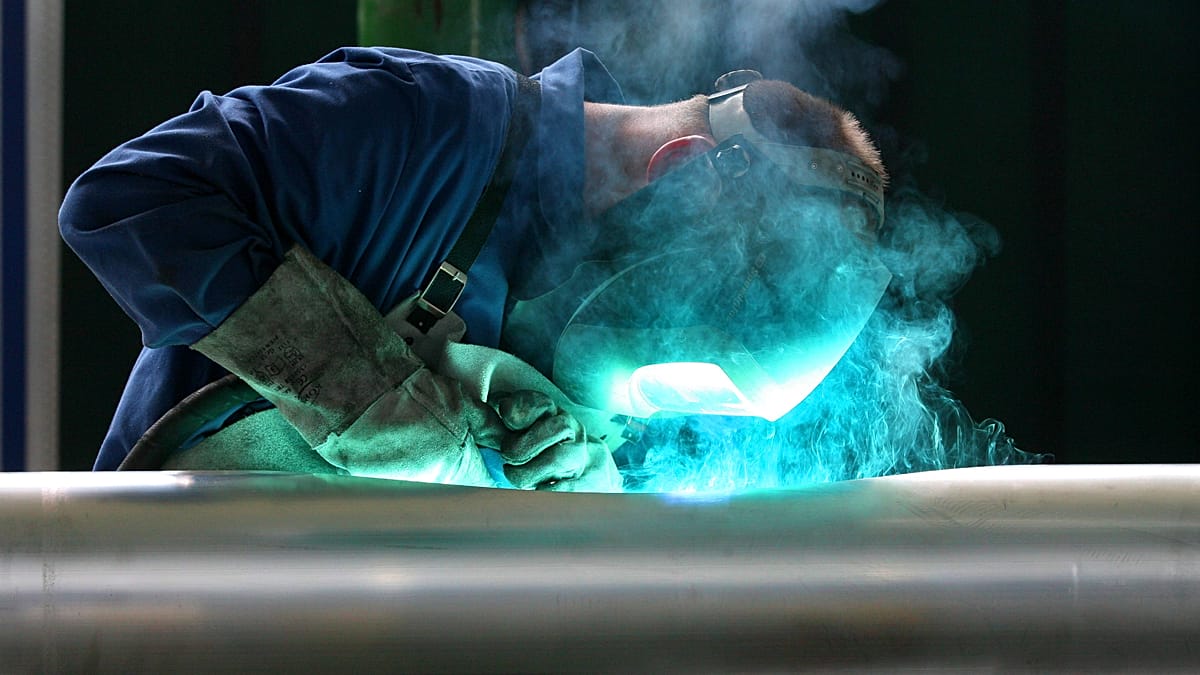
The survey revealed a clear split between sectors. Expectations deteriorated most severely for Germany's foundational industrial sectors. Chemicals and pharmaceuticals saw a sharp decline, while the outlook for steel and metal production was even worse. The automotive sector, a traditional pillar of the economy, remained largely stable but stayed firmly in negative territory. The construction industry's expectations also turned slightly negative.
In a contrasting trend, expectations improved for the banking and insurance sectors, as well as for information technology and utilities. This divergence suggests financial and certain service-oriented industries may be positioning themselves differently in the current climate of uncertainty.
The gloom is not confined to Germany. For the eurozone as a whole, the ZEW economic sentiment indicator fell by 11.9 points to -20.4 points in April. The assessment of the current economic situation in the currency bloc also worsened, dropping to -43 points. This indicates that the anxieties emanating from Berlin are resonating across the continent's single market.
Broader Context of European Challenges
The reported fears over energy supply security come amid ongoing volatility in global energy markets and complex geopolitical tensions. While not directly linked, disruptions in energy logistics remain a persistent concern for European industry, as seen in recent events like Kazakhstan halting oil shipments to Germany via Russia.
Germany's economic headwinds also exist alongside other significant national pressures, including its role as a primary destination for those displaced by conflict. The country continues to shoulder a major portion of the EU's humanitarian response, as Germany, Poland, and Czechia lead the EU in hosting Ukrainian refugees after four years of war.
The bleak business sentiment presents a formidable challenge for the governing coalition in Berlin and for European policymakers in Brussels. It raises questions about the efficacy of existing stimulus measures and the need for a coordinated European industrial strategy to bolster competitiveness and resilience. The focus will now shift to forums like the upcoming European Economic Congress in Katowice, where such continent-wide strategies are often debated.
With investment being discouraged by uncertainty, the path to a robust recovery for Germany—and by extension, a significant part of the eurozone—appears increasingly complex. The coming months will be critical in determining whether this pessimistic outlook becomes a self-fulfilling prophecy or if policy interventions can alter the trajectory.