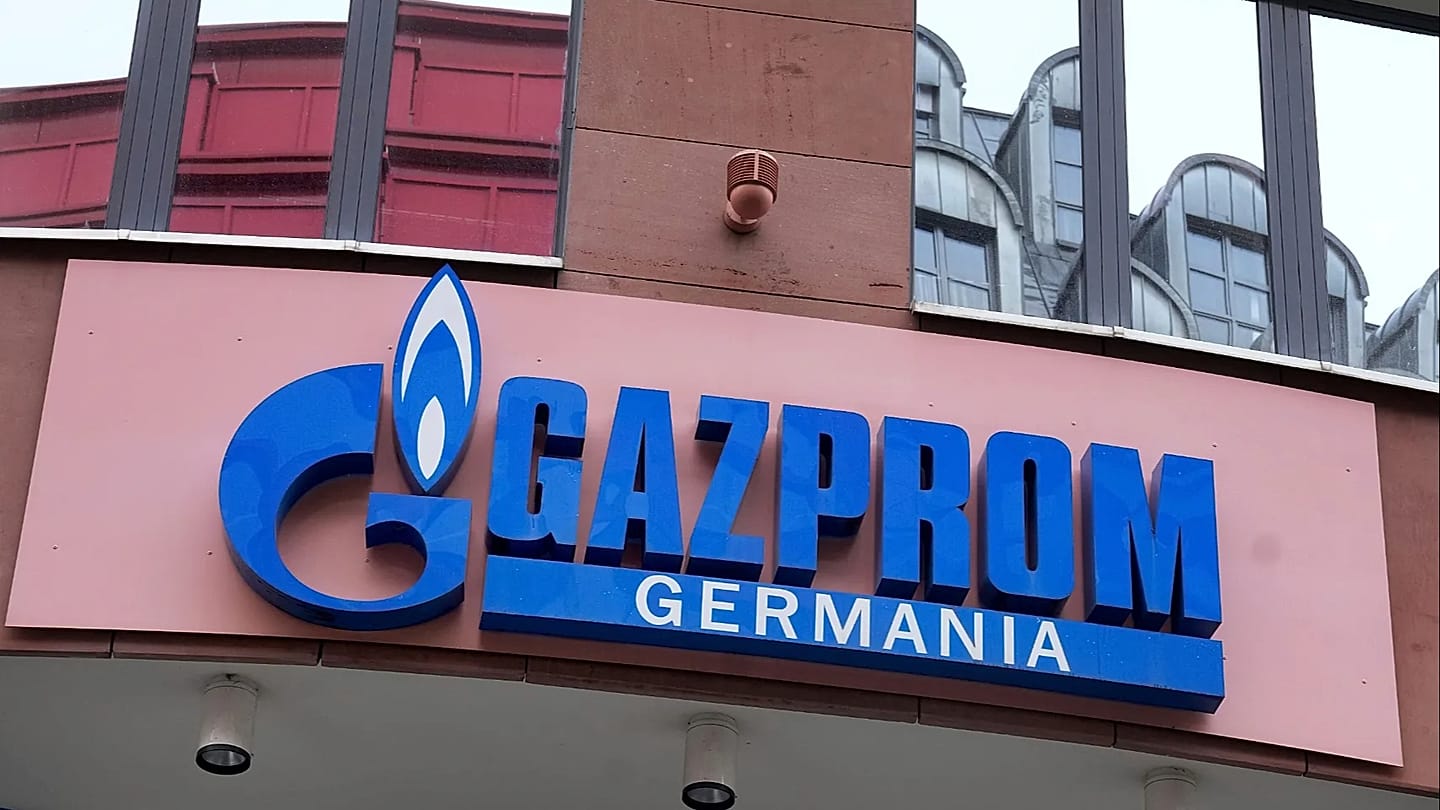
German law enforcement agencies carried out coordinated raids on Tuesday across several states, targeting individuals and companies suspected of involvement in an alleged Russian scheme to sabotage the country's natural gas infrastructure. The operation, led by the Federal Criminal Police Office (Bundeskriminalamt), centers on the controversial sale of Gazprom Germania, the Berlin-based subsidiary of the Russian state-owned energy giant.
The sale occurred approximately one month after Moscow launched its full-scale invasion of Ukraine in February 2022, a period when European capitals were scrambling to reduce their dependence on Russian energy. German prosecutors allege that the transaction was not a straightforward commercial deal but part of a broader effort by Russian intelligence to retain control over critical gas assets and potentially disrupt supplies to Europe.
Raids Target Key Figures and Locations
According to a statement from the Berlin public prosecutor's office, searches were conducted at properties in Berlin, Brandenburg, Saxony, and North Rhine-Westphalia. The raids targeted former managers of Gazprom Germania and individuals linked to the subsidiary's acquisition by a little-known Swiss firm, which later transferred ownership to a Russian entity. Investigators seized documents, electronic devices, and financial records as part of the probe.
The case has drawn attention to the opaque network of shell companies and intermediaries that facilitated the transfer. Gazprom Germania, which operated key gas storage facilities and trading operations across Germany, was placed under German trusteeship in April 2022 after Berlin deemed the sale a threat to national security. The company was later renamed SEFE (Securing Energy for Europe) and nationalized by the German government to ensure stable gas supplies.
Prosecutors suspect that the sale was orchestrated to circumvent Western sanctions and maintain Russian influence over Europe's energy market. The investigation is also examining whether the plot involved plans to sabotage pipelines or storage sites, potentially causing supply disruptions during the winter months.
The raids come amid heightened tensions between Berlin and Moscow over energy security. Germany, which once relied on Russia for over half of its natural gas imports, has since diversified its sources, including liquefied natural gas (LNG) from the United States and Qatar, as well as increased pipeline flows from Norway. However, the legacy of Gazprom's operations in Germany remains a vulnerability.
This is not the first time German authorities have investigated Russian-linked energy sabotage. In 2022, the German rail network was paralyzed for three hours by a communications failure, which officials later attributed to sabotage, though no direct link to Russia was proven. More recently, the EU defence chief warned of more Russian attacks on European soil after a killing in Poland, underscoring the broader security threat.
The investigation also highlights the challenges European nations face in untangling decades of energy interdependence with Russia. The sale of Gazprom Germania involved complex legal and financial structures that spanned multiple jurisdictions, including Switzerland, Cyprus, and the United Arab Emirates. German prosecutors are working with counterparts in these countries to trace the flow of funds and identify the ultimate beneficiaries.
Legal experts note that proving criminal intent in such cases is difficult, as the transactions were structured to appear legitimate. However, the timing of the sale—just weeks after the invasion—raises red flags. "The speed and secrecy of the deal suggest it was not a normal business decision," said a source close to the investigation, speaking on condition of anonymity.
The raids have also reignited debate in Berlin about the effectiveness of sanctions enforcement. While Germany has imposed strict measures on Russian entities, critics argue that loopholes remain, particularly in the financial and energy sectors. The case is likely to fuel calls for tighter oversight of foreign investments in critical infrastructure.
As the investigation unfolds, European energy markets remain on edge. The destruction of a key Crimea railway bridge by Ukrainian forces has further disrupted Russian logistics, while Russian drone barrages continue to hit Ukrainian cities, including Kyiv and Mykolaiv. The intersection of military conflict and energy warfare underscores the stakes for Europe's security.
German Economy Minister Robert Habeck, who oversees energy policy, has described the alleged sabotage plot as a "wake-up call" for Europe. "We must remain vigilant," he said in a recent interview. "Our energy independence is not just an economic issue; it is a matter of national security."