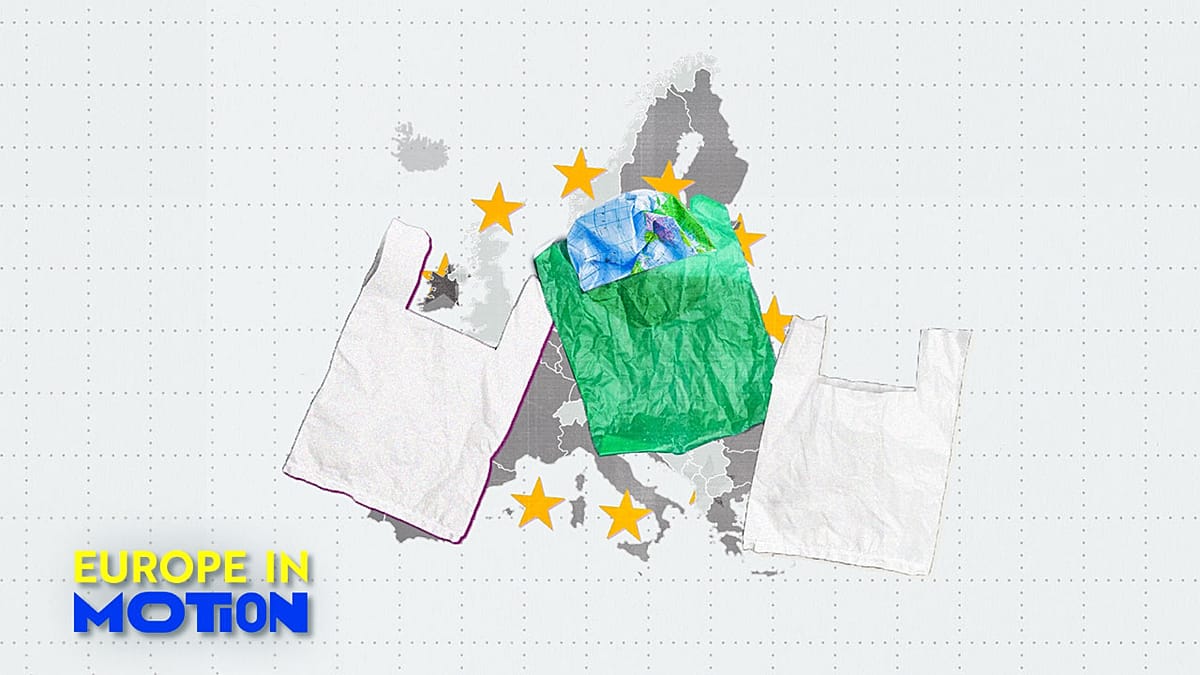
Plastic waste exports from Europe reached record levels in 2025, with Germany and the United Kingdom leading the continent's shipments abroad. A joint investigation by Watershed Investigations and the Basel Action Network (BAN), published by The Guardian, reveals that Germany exported 810,000 tonnes of plastic waste last year, making it the world's largest exporter. The UK followed with 675,000 tonnes, its highest annual figure in eight years—enough to fill roughly 127,000 shipping containers.
At the European Union level, the bloc exported 1.5 billion kilograms of plastic waste in 2025, with half of that volume destined for non-OECD countries. The sharp increase in shipments to these nations began in late 2023, driven largely by high energy costs that have forced many European recycling facilities to scale back or shut down operations, according to BAN. Monthly EU exports to non-OECD countries rose from an average of 39.6 million kilograms in 2021 to 45 million kilograms by December 2025—equivalent to 280 shipping containers per day.
Turkey Becomes Top Destination
Turkey has emerged as the largest recipient of EU plastic waste, followed by Malaysia, Indonesia, and Vietnam. The trend reflects a broader shift in global waste trade patterns, as European countries seek cheaper disposal options abroad. However, environmental groups have raised concerns about the capacity of these countries to manage the influx sustainably, often lacking adequate recycling infrastructure.
The European Union is preparing to address this issue through its Waste Shipment Regulation, which will ban exports of plastic waste to non-OECD countries starting in November 2026—unless those countries explicitly request to import it and can demonstrate they can handle it in an environmentally sound manner. The European Commission confirmed that 32 territories have applied to be included on the EU's list for importing non-hazardous waste, including two that missed the original February 2025 deadline.
This regulatory push is part of broader EU efforts to strengthen its circular economy and reduce reliance on external waste management. The bloc has also been investing in domestic recycling capacity, though progress remains uneven. According to the European Environment Agency, only about 9% of all plastics ever produced have been recycled, while 12% have been incinerated.
The scale of the problem is underscored by innovations elsewhere: an Irish teenager recently won the Earth Prize for developing a biodegradable plastic that can consume microplastics, highlighting the potential for technological solutions to complement policy measures.
Germany's role as the top exporter is particularly notable given its reputation as a leader in environmental policy. The country has been grappling with high energy costs that have undermined its recycling sector, a challenge also faced by other EU member states. Meanwhile, the UK, though no longer part of the EU, remains a major player in the European waste trade, with its exports reaching levels not seen since before the pandemic.
Environmental advocates argue that the upcoming EU ban is a necessary step, but caution that it must be paired with stronger domestic recycling mandates and investment in infrastructure. Without such measures, they warn, the waste may simply be redirected to other regions with weaker environmental protections.