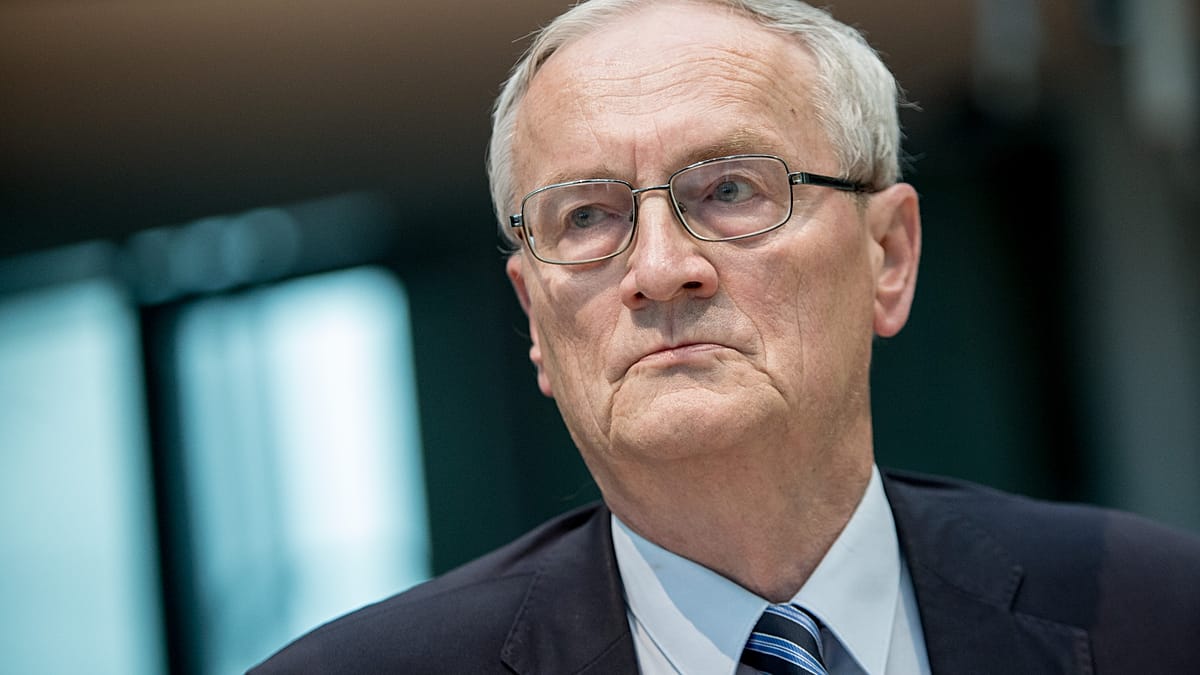
The espionage affair that has shaken Germany's intelligence community deepened on Tuesday with the arrest of a second suspect. Manfred D., 64, a longtime confidant of former Federal Intelligence Service (BND) chief August Hanning, was taken into custody on suspicion of treason. Federal prosecutors in Karlsruhe accuse both men of having systematically leaked state secrets to support private consulting activities, with Azerbaijan named as a key beneficiary.
A decades-long partnership under scrutiny
Manfred D. served as office manager to Hanning during their years together at the BND and later at the Federal Ministry of the Interior. The two men first crossed paths in the late 1990s and maintained a close working relationship well after Hanning left public office. Investigators believe that partnership turned criminal around 2010, when they allegedly agreed that Manfred D. would regularly obtain classified intelligence material from the BND and pass it to Hanning in exchange for payment.
Senior public prosecutor Dr. Ines Peterson outlined the arrangement: "Presumably in spring 2010, the defendants agreed that Manfred D. would continuously obtain valuable intelligence from the Federal Intelligence Service for the accused Hanning in return for payment." The material, she said, was then used by Hanning for private consulting work, including preparing an analysis for Azerbaijan.
The arrest follows months of intensive surveillance. Investigators bugged Manfred D.'s rooms and monitored his movements, building a case that they say reveals a sustained and deliberate breach of national security. Manfred D. is now in pre-trial detention, while Hanning, 80, is being brought before an investigating judge to decide on his own custody.
One of Germany's biggest espionage scandals
The case has been described as one of the most serious espionage scandals in the history of the Federal Republic. Hanning led the BND from 1998 to 2005, a period that included the post-9/11 intelligence surge, and later served as state secretary in the Interior Ministry under Otto Schily. His alleged involvement in selling state secrets for private gain strikes at the heart of Germany's intelligence establishment, raising questions about oversight and the vulnerability of classified information even at the highest levels.
The revelations come at a delicate time for European security cooperation. With NATO's secretary-general Mark Rutte focused on holding the alliance together, any erosion of trust in Germany's intelligence services could have ripple effects across the continent. The BND is a key partner for allied agencies, and the scandal may prompt allies to reassess the handling of shared intelligence.
Prosecutors have not yet detailed the full extent of the alleged leaks, but the mention of Azerbaijan points to a pattern of using classified material to serve foreign interests. Azerbaijan, a country with significant energy resources and a strategic position in the South Caucasus, has been accused in the past of seeking to influence European politicians and officials. The case is likely to fuel broader concerns about espionage and foreign interference in Germany.
Legal experts note that the charge of treason, which carries a maximum sentence of life imprisonment, is rarely brought in Germany. Its use here underscores the severity of the allegations. The investigation is ongoing, and further arrests have not been ruled out.
For now, the focus is on the judicial process. Hanning's appearance before the investigating judge will be closely watched, as will any additional details that emerge about the alleged conspiracy. The case has already cast a long shadow over the BND's reputation, and its full implications for German and European security are only beginning to unfold.