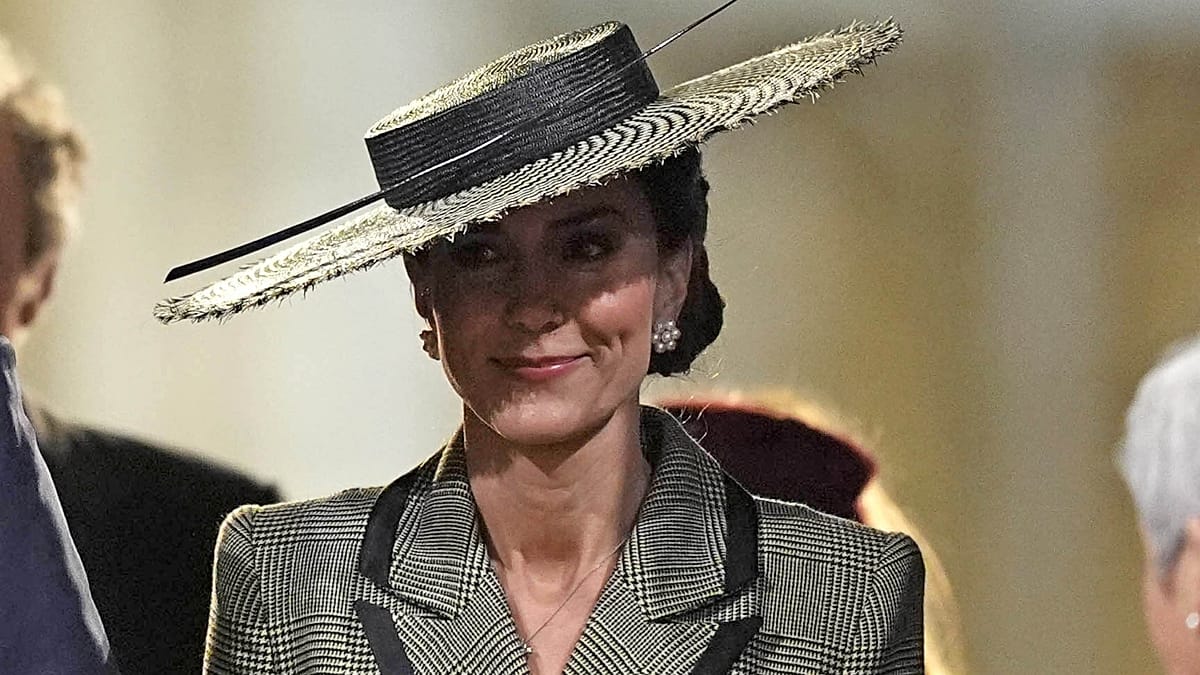
Catherine, Princess of Wales, has spoken openly about the profound ways cancer altered her life, both physically and emotionally, in a new documentary airing on the BBC. The 30-minute film, titled Heal, follows her journey through illness and recovery, offering an intimate look at her personal struggles and triumphs.
In the trailer, Kate reflects on the transformative nature of the disease: "Cancer does change you. It changes your body, it changes you physically, but there's a much, much deeper part to what a cancer diagnosis shifts in you." Her words resonate with the many Europeans who have faced similar battles, underscoring the universal impact of the illness.
The documentary captures Kate as she takes on the National Three Peaks Challenge, climbing the highest mountains in Scotland, England, and Wales within 24 hours. She completed the demanding feat in June 2026 to raise funds for The Royal Marsden Cancer Charity, the organisation linked to the London hospital where she received treatment. The film includes emotional scenes of her embracing her husband, Prince William, and their children, George, Charlotte, and Louis, after the climb.
One particularly moving moment shows Kate visiting cancer patients and watching a survivor ring the traditional bell that marks the end of treatment. The Princess reveals that she did not ring the bell herself when she was told she was in remission. Her brother, James, suggests that completing the Three Peaks Challenge may have become her own way of marking that milestone.
A journey through diagnosis and recovery
Kate announced her cancer diagnosis in March 2024, following major abdominal surgery. She subsequently underwent preventative chemotherapy, completing her treatment in September 2024. In January 2025, she shared that her cancer was in remission, while emphasising that recovery would take time. The type of cancer has not been disclosed.
In the documentary, Kate discusses the process of finding her way back to everyday life after treatment, describing healing as a journey. "How to reconnect with the things you once knew and how to find a sense of hope and joy alongside uncertainty," she says. Her reflections echo the experiences of countless individuals across the continent who have navigated similar paths.
Earlier this month, Kate spoke about the challenges of recovery in an interview with Country Life magazine, whose latest edition was guest-edited by Prince William. "I was told in hospital that my recovery would not be linear. There will be good and bad days, that it will take time," she said. She also highlighted the role of nature in her healing, describing it as a sanctuary where she could reconnect with herself. "I think that's because nature offers something unique. It doesn't ask anything of us. It doesn't judge us or expect us to perform. It simply allows us to be," she explained.
A call for holistic cancer care
Through Heal, the Princess hopes to encourage a more holistic approach to cancer care, one that addresses not only physical health but also emotional and psychological wellbeing. "It's clear we're not meant to carry life's challenges alone," she says in the trailer. "Things can renew and grow. Often it is through pain that we realise there's a greater beauty that lies beyond that."
Kensington Palace said the documentary explores the profound impact serious illness can have on patients and those around them, drawing on Kate's personal experience and the stories of others navigating health challenges. The film also includes meetings with other individuals facing serious health issues, broadening its perspective beyond the royal family.
All proceeds from the documentary's distribution will go to The Royal Marsden Cancer Charity, which supports people living with and beyond cancer. The charity, established in 2002, continues a tradition of philanthropic support for The Royal Marsden, the specialist cancer hospital founded by Dr William Marsden in 1851. This initiative aligns with broader European efforts to improve cancer care, as seen in recent controversies at health summits and ongoing policy debates.
Kate's openness about her experience has been widely praised, offering a human face to a disease that affects millions. Her story, set against the backdrop of the British monarchy, resonates with audiences across Europe, where cancer remains a leading cause of death. The documentary's focus on holistic recovery and the importance of community support reflects a growing consensus among health professionals on the continent.
As Kate continues her recovery, her message of hope and resilience serves as an inspiration. The documentary, which airs on the BBC, is expected to reach a wide audience, sparking conversations about the realities of living with and beyond cancer. For many, her journey is a reminder that even in the face of profound uncertainty, there is room for growth and renewal.