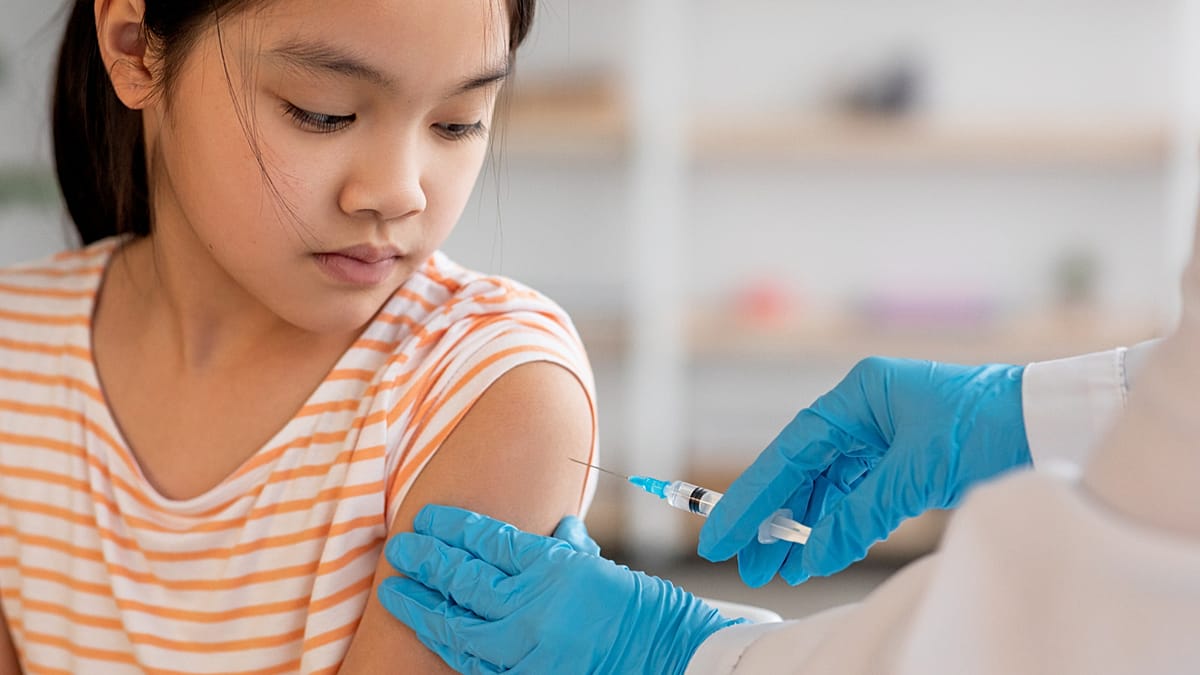
Across Europe, a vaccine that can prevent cervical cancer and other malignancies is reaching teenagers very unevenly. While girls in Portugal, Spain, and the Nordic countries are largely protected, boys in Central and Eastern Europe are often left out, according to data from the European Centre for Disease Prevention and Control (ECDC).
Human papillomavirus (HPV) is a group of common viruses, some transmitted sexually. Most infections resolve on their own, but certain strains can persist and lead to cancer years later — most notably cervical cancer, which claims around 280,000 lives globally each year, as well as rarer cancers affecting both women and men.
HPV vaccines have been authorised in the EU since 2006, and most member states recommend vaccination for all girls and boys by age 15. Catch-up doses are available for older individuals who missed out. While two doses have long been the standard, dozens of countries have moved to a single-dose schedule, with research suggesting one jab may be sufficient to protect against the cancer-causing strains.
Wide gaps in coverage
The ECDC data reveal stark disparities. In Portugal, 95% of girls have received all recommended HPV doses by age 15, compared with just 4% in Bulgaria. Among boys, who have been offered the vaccine only more recently, coverage ranges from 94% in Portugal to a mere 1% in Romania.
On average, 64% of girls and 51% of boys across the EU are fully vaccinated by age 15 — well short of the bloc's 90% target for girls. The gender gap is particularly pronounced in some countries, though Sweden has nearly closed it: 91% of girls and 87% of boys there are vaccinated by age 15.
Early adopters like Sweden and Scotland have already seen significant drops in cervical cancer rates. Sweden has also launched catch-up vaccination campaigns for women who missed out as teenagers, part of its ambition to become the first country to eliminate cervical cancer.
France, meanwhile, introduced a school-based HPV vaccination programme in 2023. In its first year, coverage among 12-year-olds jumped from 31% to 48%. Bulgaria began offering free HPV vaccination to boys in 2025.
Misinformation and distrust
Yet in some countries, vaccination rates have fallen, largely due to social media misinformation, according to a series of reviews by Cochrane, the influential research network. In Romania, Bulgaria, and Croatia, rumours about harmful side effects and a lack of trust in health authorities have kept uptake low, as a study in BMJ Public Health found.
Cochrane's analysis, which included clinical trials and real-world studies involving more than 132 million people, found no evidence that the HPV vaccine causes the commonly reported side effects. It also showed that vaccinated teenage girls were 80% less likely to develop cervical cancer than unvaccinated peers.
The uneven picture across Europe highlights the need for targeted public health campaigns and accessible vaccination services. As recent events at a Brussels cancer summit underscore, the fight against cervical cancer remains a pressing political and public health issue. With vaccination rates slipping elsewhere, European countries have a clear incentive to close the gaps and protect the next generation.