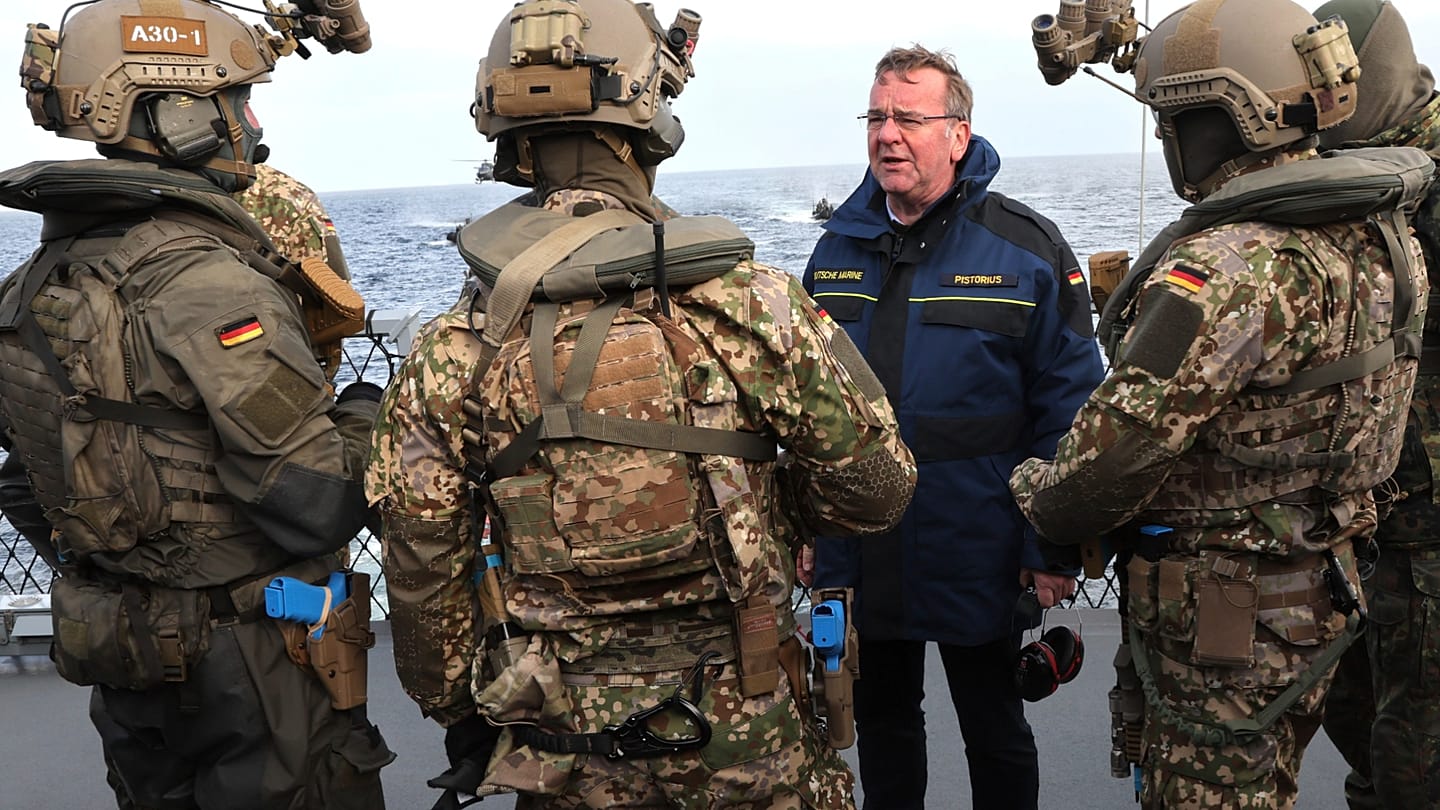
Berlin has abruptly cancelled the F126 frigate programme, one of the largest naval projects in Europe, after spending approximately €2.3 billion of taxpayer money. The decision sent shares in Rheinmetall, a key contractor, tumbling and has reignited debates about Germany's defence procurement efficiency.
A Costly Cancellation
The F126 frigate, designed to be the world's largest surface combatant, was intended to bolster the German Navy's capabilities. However, repeated delays and cost overruns led the Defence Ministry in Berlin to pull the plug. The project had already consumed billions without delivering a single operational vessel.
Rheinmetall, which was involved in the ship's electronics and weapons systems, saw its stock drop by over 5% on the news. The company had been counting on the programme as a major revenue stream. Other European defence firms, such as ThyssenKrupp Marine Systems, are also expected to feel the impact.
The cancellation comes at a sensitive time for European defence. Germany has been under pressure from NATO allies to increase military spending and modernise its armed forces. The F126 programme was seen as a cornerstone of that effort, particularly for naval operations in the Baltic and North Seas.
Broader Implications for European Defence
The scrapping of the frigate project is not an isolated incident. It reflects deeper structural issues in European defence procurement, where projects often suffer from bureaucratic delays, changing requirements, and political interference. Germany's decision may prompt other EU member states to reassess their own naval programmes.
Meanwhile, Berlin is pushing forward with other defence initiatives. Germany and Poland recently signed a defence pact, signalling a shift towards more bilateral cooperation. However, critics argue that such agreements cannot compensate for the failure of major national projects like the F126.
The cancellation also has economic consequences. Thousands of jobs at shipyards in Hamburg, Kiel, and other German cities are now at risk. Local politicians have expressed outrage, calling for a clear explanation from the Defence Ministry. The state of Schleswig-Holstein, home to several shipyards, is particularly affected.
Political Fallout
Opposition parties in the Bundestag have seized on the news, accusing Defence Minister Boris Pistorius of mismanagement. The conservative CDU/CSU bloc has demanded a parliamentary inquiry. The far-right Alternative für Deutschland (AfD) has used the issue to criticise the government's overall defence strategy.
The Social Democrats (SPD), part of the ruling coalition, have defended the decision, arguing that it was better to cut losses than to continue pouring money into a failing project. However, the Greens and Free Democrats (FDP) have expressed concern about the impact on Germany's naval readiness.
Beyond Germany, the cancellation has implications for European security. The Baltic states, in particular, rely on German naval presence as a deterrent against Russian aggression. The F126 frigates were supposed to play a key role in NATO's Baltic operations. Their absence could leave a gap in the alliance's maritime capabilities.
Some analysts have suggested that Germany might now turn to alternative naval platforms, possibly in cooperation with other European countries. Joint projects, such as the Franco-Italian FREMM frigate programme, could offer a more cost-effective solution. However, such collaborations require political will and long-term commitment, which have often been lacking in European defence.
The F126 cancellation is a stark reminder of the challenges facing European defence procurement. As the continent grapples with security threats from Russia and instability in the Middle East, the need for efficient and reliable military spending has never been greater. Germany's decision may force a broader rethink of how Europe builds its armed forces.