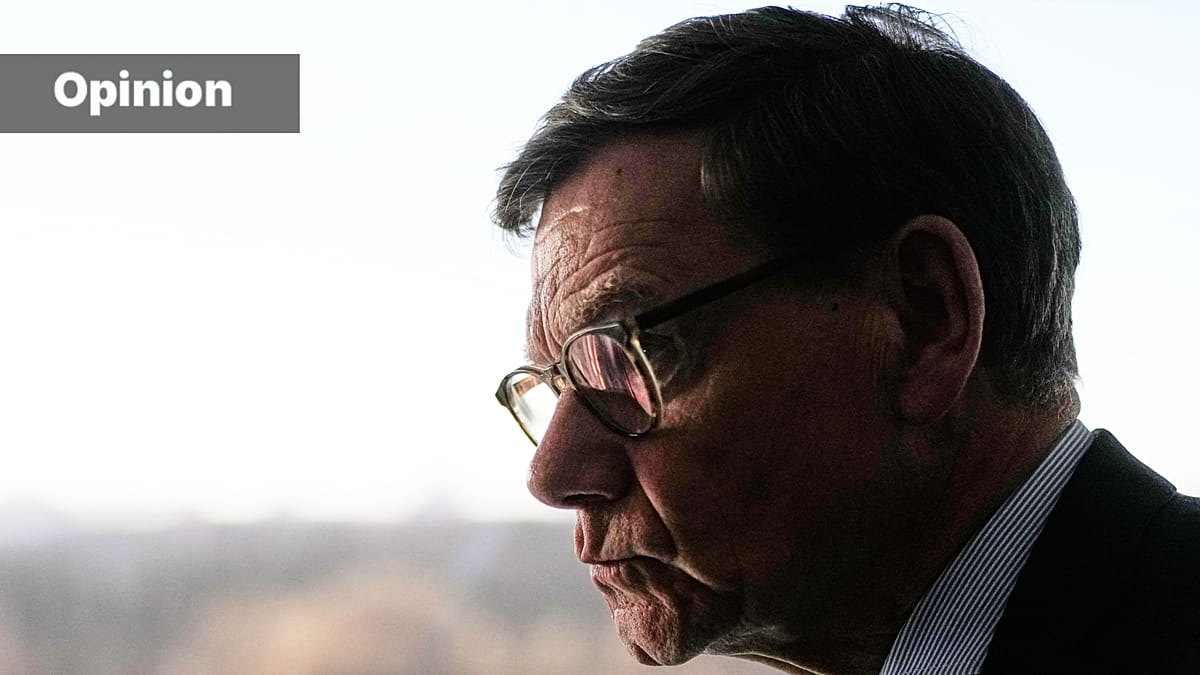
Germany's failure to secure a non-permanent seat on the United Nations Security Council this week is more than a diplomatic setback—it is a revealing symptom of the country's eroding global standing. The result, announced by former foreign minister Annalena Baerbock in her capacity as President of the UN General Assembly, saw Berlin garner only 104 votes, falling 23 short of the required 127. Portugal secured 134 votes and Austria 131, both winning seats in the first round. For Germany, the largest and wealthiest of the three EU contenders, this marks the first time it has lost such a bid.
A Defeat Rooted in Credibility
Foreign minister Johann Wadephul attributed the loss to Berlin's late entry into the campaign, but the margin of defeat suggests deeper issues. Germany's positions on the Gaza war, its muted response to Israel's strike on Iran, and its silence on US intervention in Venezuela have been read by many outside Europe as a failure to uphold its own proclaimed standards. Such perceptions, once formed, persist across administrations.
Under Baerbock, German foreign policy was heavily moralistic, with strong rhetoric on human rights and the global South, yet often softened when tangible interests were at stake. This legacy now burdens the current government, even as it tries to chart a different course.
Moscow's Quiet Campaign
Russia actively worked against Germany's candidacy, a logical move given Berlin's role as Moscow's most prominent European adversary since the invasion of Ukraine. Germany supplies weapons, enforces sanctions, and sustains Ukraine's economy. Keeping such a foe out of the Security Council serves the Kremlin's interests. The votes Germany lost came predominantly from regions where Moscow and Beijing have been cultivating influence. Austria, a neutral state seen as more convenient by both sides, won its seat comfortably.
This dynamic reflects a broader reality: Berlin has made itself an easy target. Part of the German political establishment still underestimates the seriousness of hybrid warfare and the Kremlin's willingness to undermine its opponents through diplomatic channels.
A Reality Check for Berlin
The Security Council itself has been largely paralyzed by vetoes from the US, China, and Russia, failing to prevent the Ukraine war or meaningfully address Gaza. The seat is more symbolic than instrumental. Yet the defeat serves as a stark reality check. Germany is not unimportant, but it is less effective than it could be.
The ambition was there: Berlin invested significant resources and sent Baerbock on a global publicity tour. What was missing was the ability to translate that ambition into results. This mirrors broader deficiencies in German foreign and security policy. The Zeitenwende proclaimed in 2022 has not produced a Bundeswehr ready for its promised role, and strategic autonomy remains more a talking point than a reality. Weight in international affairs does not come from size alone; it requires the capacity to organize majorities and deliver on commitments.
Financial Leverage and Strategic Clarity
Germany's analysis is not wrong: it is too small to act alone and must involve European partners earlier and on equal footing. But it is also too large to hide. As the world's fourth-largest economy, the EU's biggest budget contributor, and a major UN donor, Berlin cannot duck responsibility. In a world where Washington and Beijing play hardball, Germany must be prepared to do the same while still building coalitions.
One underestimated asset is Germany's financial credibility. It has more fiscal room than almost any partner, and in serious negotiations, that is a currency—provided it is tied to a clearly defined role. The next opportunity for a Security Council seat comes in eight years. That is ample time to shift from announcing less to delivering more. The question now is whether Berlin understands that 104 votes were not a failure of ambition, but of achievement.



