On 15 July 2026, workers removed the last sections of the border fence separating Gibraltar from Spain, a physical symbol of a dispute that has lingered for centuries. The dismantling marked the British Overseas Territory's formal entry into the Schengen Area, under a treaty signed between the European Union and the United Kingdom.
Residents on both sides of the frontier celebrated as passport and customs checks were relocated to Gibraltar's airport and port. For the first time in decades, people and goods can move freely across the isthmus connecting the Rock to the Spanish mainland, without stopping at a border post.
The treaty, finalised after years of negotiations following Brexit, creates a new model for the territory's relationship with the EU. Gibraltar will apply Schengen rules at its external borders — the airport and seaport — while remaining a British Overseas Territory. Spanish and EU border officials will be present at those points, working alongside Gibraltar's own authorities.
A Historic Step for a Contested Territory
Gibraltar has been under British sovereignty since 1713, but Spain has long claimed the territory. The border fence, erected in stages during the 20th century, became a flashpoint during the Franco era, when Spain closed the frontier entirely between 1969 and 1985. Even after reopening, checks remained cumbersome, causing long queues for the thousands who cross daily for work or leisure.
The removal of the fence is therefore more than a logistical change. It signals a new phase in relations between Madrid and London, and between Gibraltar and its Spanish hinterland. The Campo de Gibraltar region, which includes the towns of La Línea, Algeciras, and San Roque, stands to benefit economically from smoother cross-border movement.
Spain's Foreign Minister, José Manuel Albares, described the day as "a victory for common sense and cooperation." He added: "Gibraltar and Spain are neighbours, and today we have shown that we can build a shared future within the European framework."
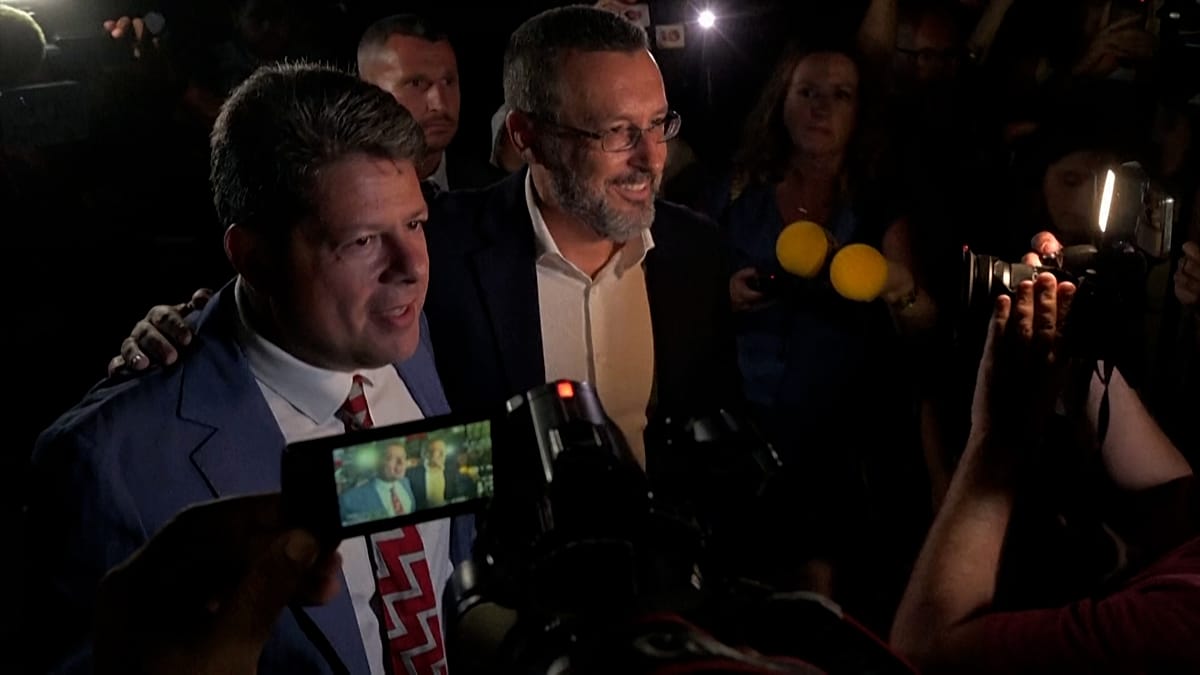
Gibraltar's Chief Minister, Fabian Picardo, called it "the most significant day in our modern history." Speaking at a ceremony near the former border, he said: "We remain British, but we are also European. This treaty respects both identities."
The treaty also includes provisions on tax cooperation, environmental standards, and workers' rights, aiming to prevent Gibraltar from becoming a low-regulation enclave. The European Commission has welcomed the agreement as a model for future post-Brexit arrangements with other territories.
The change comes amid a broader reshaping of European borders. On the EU's eastern frontier, Latvia has become a new pressure point in hybrid migration tactics orchestrated by Belarus. The contrast highlights the EU's dual challenge: managing external borders while dismantling internal ones.
For Gibraltar, the immediate impact is tangible. Shops in La Línea reported a surge in British customers on the first day of open borders. Restaurants in Gibraltar saw Spanish workers arriving without the usual delays. The airport, now the territory's Schengen external border, expects to handle more flights from EU countries.
Not everyone is entirely satisfied. Some Gibraltarians worry about the presence of Spanish officials at the port and airport, fearing a gradual erosion of British sovereignty. Picardo has insisted that the treaty includes safeguards: Spanish officers will operate under Gibraltar law and cannot carry out arrests or searches independently.
The treaty also dovetails with other recent shifts in European politics. In the UK, Andy Burnham became prime minister pledging a decade of stability, and his government has prioritised repairing relations with Brussels. The Gibraltar deal is seen as a tangible outcome of that approach.
Meanwhile, the Franco-German engine of European integration continues to evolve. Friedrich Merz and Emmanuel Macron met in Cologne to discuss defence cooperation, underscoring that even as internal borders fall, strategic coordination remains a priority.
For the people of Gibraltar and the Campo de Gibraltar, 15 July 2026 will be remembered as the day a fence came down — and a new chapter began.