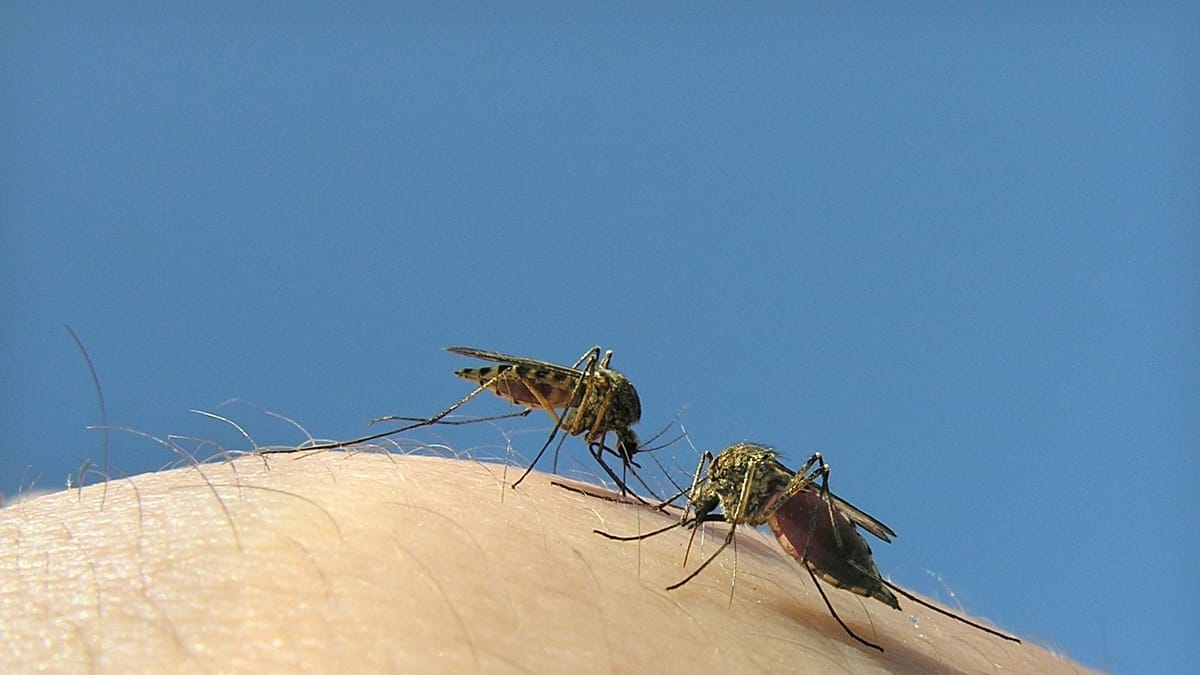
Mosquitoes are responsible for an estimated 700,000 to 1 million human deaths globally each year, making them the deadliest insects on the planet. As climate change and human migration expand their habitats, the threat is growing, particularly in Europe. The European Centre for Disease Prevention and Control (ECDC) reports longer transmission seasons and the spread of invasive species like Aedes albopictus and Aedes aegypti across the continent.
Google's Debug Project: A Biological Solution
Google's parent company, Alphabet, is tackling this challenge through its Debug project, which aims to release sterile male mosquitoes into the wild. The method relies on a naturally occurring bacterium, Wolbachia, which infects male mosquitoes. When these males mate with wild females, the eggs do not hatch, gradually reducing the mosquito population. Unlike chemical pesticides, this approach uses no toxins and involves no genetic modification, making it safe for humans and ecosystems.
Google has requested approval from US authorities to release up to 64 million mosquitoes over two years in California and Florida, targeting the Aedes aegypti species, which transmits dengue, Zika, yellow fever, and chikungunya. However, the technology has direct relevance for Europe, where similar methods are already being tested.
European Pilot Programs and Rising Threats
In 2023, Cyprus launched a pilot program using the Sterile Insect Technique (SIT), releasing weekly batches of 100,000 sterile male Aedes aegypti mosquitoes for over 20 weeks. The International Atomic Energy Agency (IAEA) supported the effort, with Director General Rafael Mariano Grossi warning that failure to eradicate the species could have "serious consequences for all of Europe." The IAEA used irradiation to sterilize the mosquitoes, a method previously applied to agricultural pests like the Mediterranean fruit fly.
The ECDC notes that Aedes albopictus, the Asian tiger mosquito, is now established in 16 European countries and 369 regions, up from just 114 a decade ago. This species can transmit dengue, chikungunya, and Zika viruses. Meanwhile, Culex pipiens is the primary vector for West Nile virus, which has been detected in new areas, including Italy's Latina and Frosinone provinces and Romania's Sălaj County. The Asian Tiger Mosquito Reaches Berlin: Assessing the Health Risks highlights the growing concern in urban centers.
Climate Change Fuels Mosquito Expansion
Rising temperatures, longer summers, milder winters, and changing rainfall patterns are creating favorable conditions for mosquitoes across Europe. Céline Gossner, senior expert in emerging and vector-borne diseases at the ECDC, stated on World Mosquito Day 2025: "As the mosquito-borne disease landscape evolves, more people in Europe will be at risk in the future. This makes prevention more important than ever, both through coordinated public health action and personal protection measures."
Prevention methods include removing standing water from containers like flowerpots and gutters, using larvicides in larger water bodies, and applying adulticides during outbreaks, while considering ecological impacts. The Debug project's software tools help optimize release locations and numbers, which could be adapted for European contexts.
Google's approach, while currently focused on the US, offers a scalable model for Europe. The company's Debug website notes: "Releasing the right number of good bugs in the right places is critical, so we’re building software and monitoring tools to guide each release." As Europe faces a record year for mosquito-borne diseases in 2025, such innovations may become essential. The Google Unveils Sweeping AI Overhaul of Search Engine at I/O 2026 shows the company's broader technological ambitions, but Debug represents a direct application of biology and data science to public health.
Other countries, including Cuba in 2020 and China in 2017, have conducted SIT trials. For Europe, the success of Cyprus's program could pave the way for wider adoption. The IAEA's involvement underscores the international cooperation needed to combat these threats. As Gossner emphasized, coordinated action is key to protecting populations from diseases that were once rare on the continent.